Sourced fact
The News
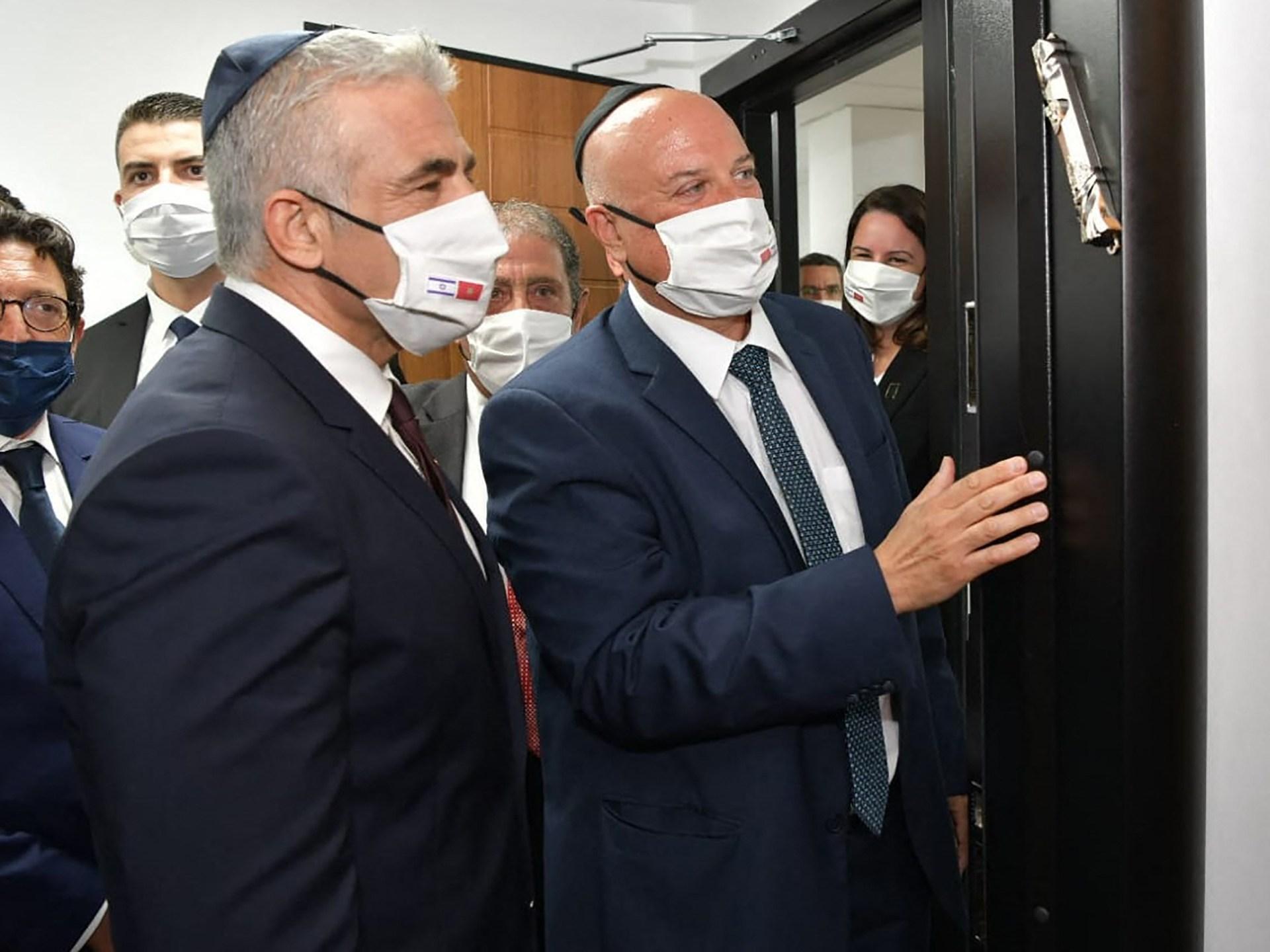
Israel and Morocco today announced a historic agreement to significantly upgrade their diplomatic relations, which includes opening embassies in each other's countries and appointing ambassadors to represent each nation at the other. This announcement followed a meeting hosted by US UN Ambassador Mike Waltz in New York on Wednesday, where the foreign ministries of Israel and Morocco, led by Gideon Sar and Nasser Bourita respectively, met.
In a joint statement issued by the US Mission to the United Nations on behalf of all three parties, it was confirmed that establishing full, peaceful, and friendly diplomatic relations between Morocco and Israel is in the mutual interest of both countries and will contribute to advancing the peace cause. The two sides also agreed to accelerate economic and trade relations by finalizing two agreements by the end of this year related to investment protection and preventing double taxation.
Additionally, an agreement was reached to expand air travel between the two countries by resuming direct flights operated by airlines from both nations, with confirmation of plans for high-level visits in the coming months. This announcement comes directly after the sixth anniversary of the Abraham Accords, a initiative led by US President Donald Trump during his first term aimed at normalizing relations between Israel and Arab majority-Muslim states.
Analysis & context
Analysis & Context
From an analytical perspective, this agreement represents a qualitative step in the regional normalization path that began with the Abraham Accords, adding Morocco as a new party to the list which includes the UAE, Bahrain, Sudan, and Kazakhstan. Elevating diplomatic relations from consulates to embassies is a clear sign of relationship maturity and moving beyond the initial stage of formal correspondence toward deeper institutional partnership.
In the broader context, the economic side of the agreement focuses on removing obstacles to bilateral investment through investment protection agreements and preventing double taxation, thereby opening new horizons for commercial cooperation between the two economies. Resuming direct flights is not merely a logistical measure but reflects a political desire to enhance people-to-people, tourism, and cultural exchange between the two nations' peoples.
The nature of the meeting hosted by the US UN Ambassador indicates that the United States continues to play the key mediating role in supporting and sustaining these regional agreements. The timing of the announcement following the Abraham Accords anniversary highlights the political importance of continuity for this initiative despite changes in international conditions and administration in Washington.
This development shows that relations between Israel and Morocco are no longer limited to a security and intelligence framework but have expanded to include comprehensive diplomatic and economic dimensions requiring sustained institutional coordination. The success of this step depends on both parties' ability to transform the signed agreements into tangible practical realities in the fields of investment, trade, and travel.