Sourced fact
The News
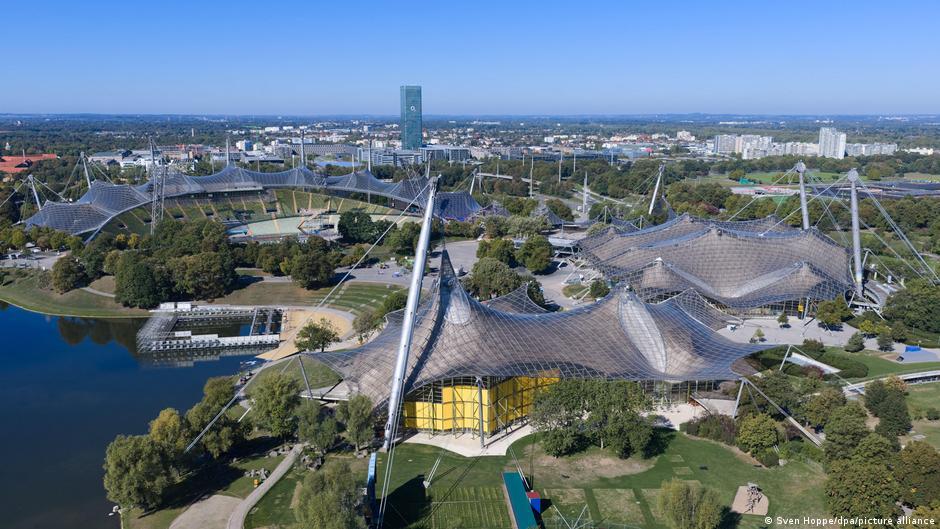
The German Olympic Sports Confederation (DOSB) announced on Saturday that Munich has been chosen as Germany's city to compete for hosting the Summer Olympic Games for at least the next three editions. This decision follows Berlin's withdrawal from the competition, leaving the race between Munich and Cologne, led by the Rhine-Ruhr region.
German Sport Minister Ronald Rau, a former Olympic champion himself, stated that the task is international in nature and must be presented through the city or region that offers Germany the greatest chances of success on the global stage. He added that the decision rests solely with sports, believing Munich will win the assignment with great responsibility, while President Frank-Walter Steinmeier described the opportunity as massive to showcase Germany as a country full of opportunities.
All competitions will take place in Bavaria, except for football matches which will be held in Stuttgart, and sailing events in the city of Kiel in northern Schleswig-Holstein. Berlin was among the candidates until Thursday, before its mayor announced the city's withdrawal following the victory of the Left Social Democratic Party in recent elections, where her candidate Ilif Erall did not receive support for the city's bid.
Rau hopes to host the Games in 2040 to coincide with the 50th anniversary of German reunification, considering it a strong signal that aligns with Olympic values. The Munich committee estimates selling up to 17.6 million tickets for the Games, a figure exceeding any previous number according to the president of North Rhine-Westphalia.
Analysis & context
Analysis & Context
From an analytical perspective, Munich's selection represents a strategic shift refocusing on the state that previously hosted the Summer Olympics in 1972, after two periods of failure to host the Winter Games in 2018 and 2022. This decision reflects Germany's leadership desire to enhance its image as a global leading destination for sports and international entertainment.
In the broader context, Sport Minister Ronald Rau's ambition to reach the Olympic Games in 2040 to coincide with the 50th anniversary of German unification gives the event profound historical significance that aligns with the peace and unity values represented by the Olympics. Additionally, Berlin's withdrawal opens the door for other regions such as the Rhine-Ruhr region to compete in the near future if Munich is not selected for the next edition.
This competitive race between German cities demonstrates how local policies and regional elections can directly affect the international fate of cities, where candidate support has become linked to the political agendas of ruling parties in each region.