Sourced fact
The News
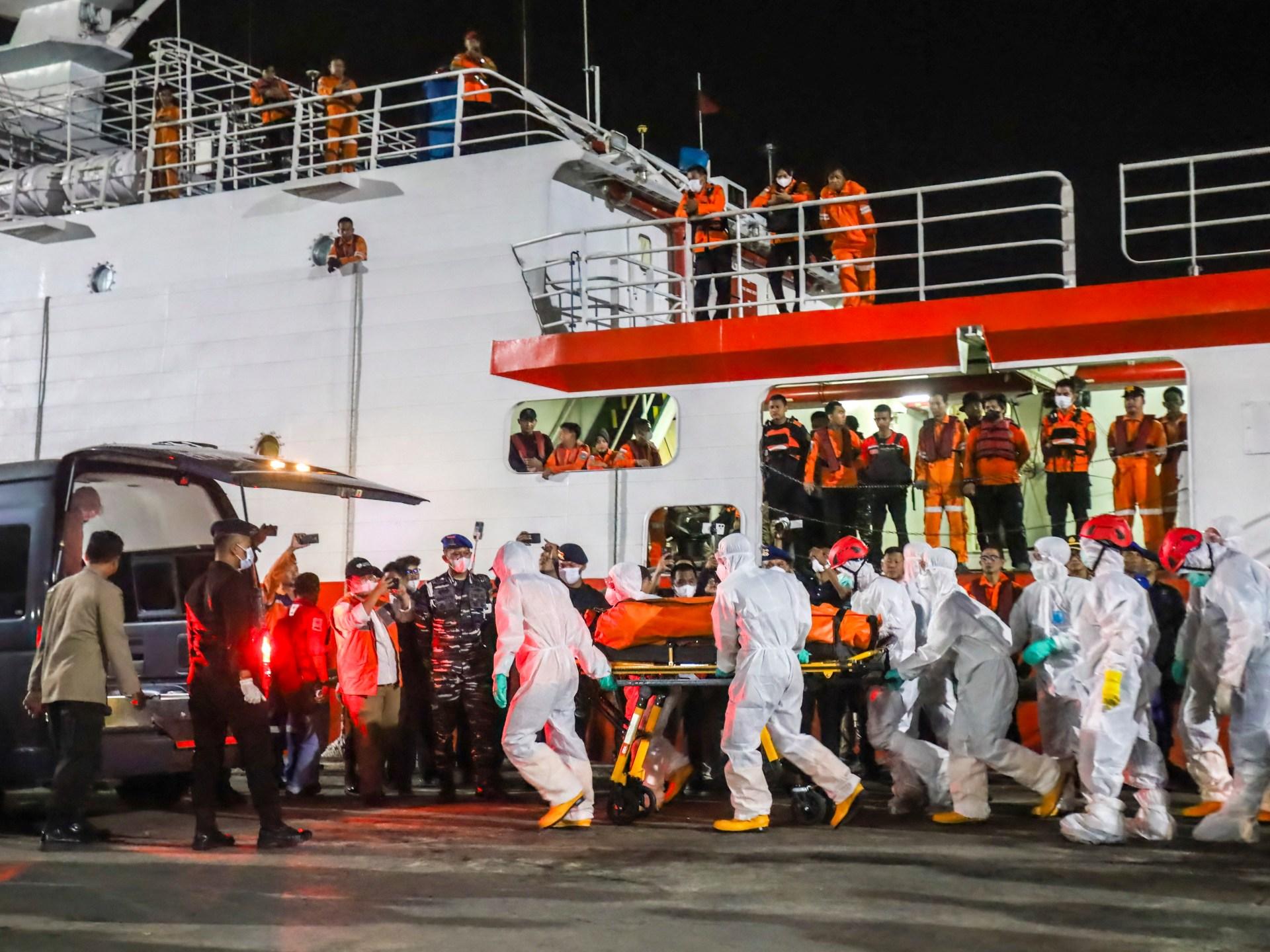
Indonesian divers have begun salvage operations today to retrieve bodies and move the passenger ship that capsized in the Java Sea, following a decision by authorities on Friday to shift the vessel to facilitate recovery efforts. Gally Nurna Putra, commander of the local navy, told media outlets on Friday that an expert team had been summoned to assist in moving the "Vergo Transport 8" cruise ship.
Gally added that salvage operations are underway and that monitoring was conducted yesterday; divers entered the vessel on Friday and recovered two bodies—one male and one female. However, strong currents forced search teams to temporarily halt underwater work. It has now been confirmed that nine people died while 108 survived; 126 passengers and crew members remain missing.
Gally continued that the salvage team aims to tow the ship into shallow waters before moving it, as divers face significant risks if they attempt to enter the damaged vessel before completing this process. Aipod Todayan, head of the Search and Rescue Agency in Bandung, stated that teams will be able to resume body recovery operations once the ship is moved. The rescue operation, led by the shipowner in accordance with Indonesian law, is supported by the Maritime Agency and the Marine Police.
Severe weather conditions hindered 1,100 rescuers from searching for missing persons, as the vessel remains unstable due to trapped air and empty sections that could cause the hull to slip suddenly. The ship lies approximately 80 nautical miles (148 kilometers) from the command center at Tersekati Port in Bandung, making access difficult, according to Arianti Ardi of the agency. The vessel carried 243 people on a 20-hour journey from Surabaya to Bandung before capsizing in bad weather on Sunday. Indonesia relies heavily on ferries for inter-island travel across its 17,000 islands, where sea travel is cheaper and more accessible than flying.
Analysis & context
Analysis & Context
Analytically, this incident highlights the immense challenges faced during rescue operations in open waters characterized by strong currents and great depths, particularly when a ship becomes unstable due to structural failure or trapped air pockets. Moving a large vessel like "Vergo Transport 8" requires precise coordination between specialized diving teams operating at depths exceeding 100 meters and marine towing operations to prevent sudden collapse that could endanger rescuers and surviving passengers.
In the broader context, this underscores the critical role of ferries in maritime transport within Indonesia's archipelago, serving as a primary means of connecting different islands due to their economic affordability compared to air travel. However, heavy reliance on this mode of transport means that any maritime accident, such as a ship capsizing, becomes a major humanitarian disaster affecting thousands of families, necessitating a swift response from the government and relevant agencies to ensure rapid rescue efforts and minimize losses.
Furthermore, the severe weather conditions that disrupted search operations for five days highlight the fragility of the region's maritime transport infrastructure in the face of sudden climate changes. This situation calls for better planning of sea voyages and stricter safety procedures to protect passengers and crew from potential risks.