Sourced fact
The News
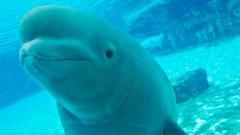
The last beluga whale in Canada died alongside five other whales and one dolphin after a massive rescue operation from the closed Marineland park. According to BBC News, 30 beluga whales and four dolphins were relocated to various centers around the world, including Chicago, Atlanta, San Diego, San Antonio, and Valencia in Spain. During the operation, five whales and one dolphin died, raising concerns about the health of the animals.
According to BBC News, Tovi, the last beluga whale in Canada, left in a truck after being touched by rescuers. This operation came after the Canadian government’s refusal to sell the whales to China due to animal rights concerns. According to BBC News, preliminary investigations revealed that some of the whales were suffering from chronic illnesses such as gastrointestinal inflammation and ingesting non-natural objects like rocks and feathers. Some of the whales were also reported to have severe health issues before the move.
Analysis & context
Analysis & Context
Analytically, this operation highlights the challenges faced by whales and dolphins raised in enclosures. According to BBC News, there are approximately 3,600 beluga whales and dolphins held captive worldwide, creating an animal rights crisis. In a broader context, this case reflects changing public attitudes towards maintaining whales and dolphins in captivity. After Marineland's closure, Canada became the first country to ban the keeping of whales and dolphins in enclosures. However, many countries still permit this, raising concerns about the future of captive animals.
It is also noteworthy that many centers receiving the whales and dolphins plan to continue breeding them, raising concerns about the ongoing practice of keeping whales and dolphins in captivity. On an international level, many countries face similar challenges in dealing with captive whales and dolphins, underscoring the need for sustainable and humane solutions for these animals.