Sourced fact
The News
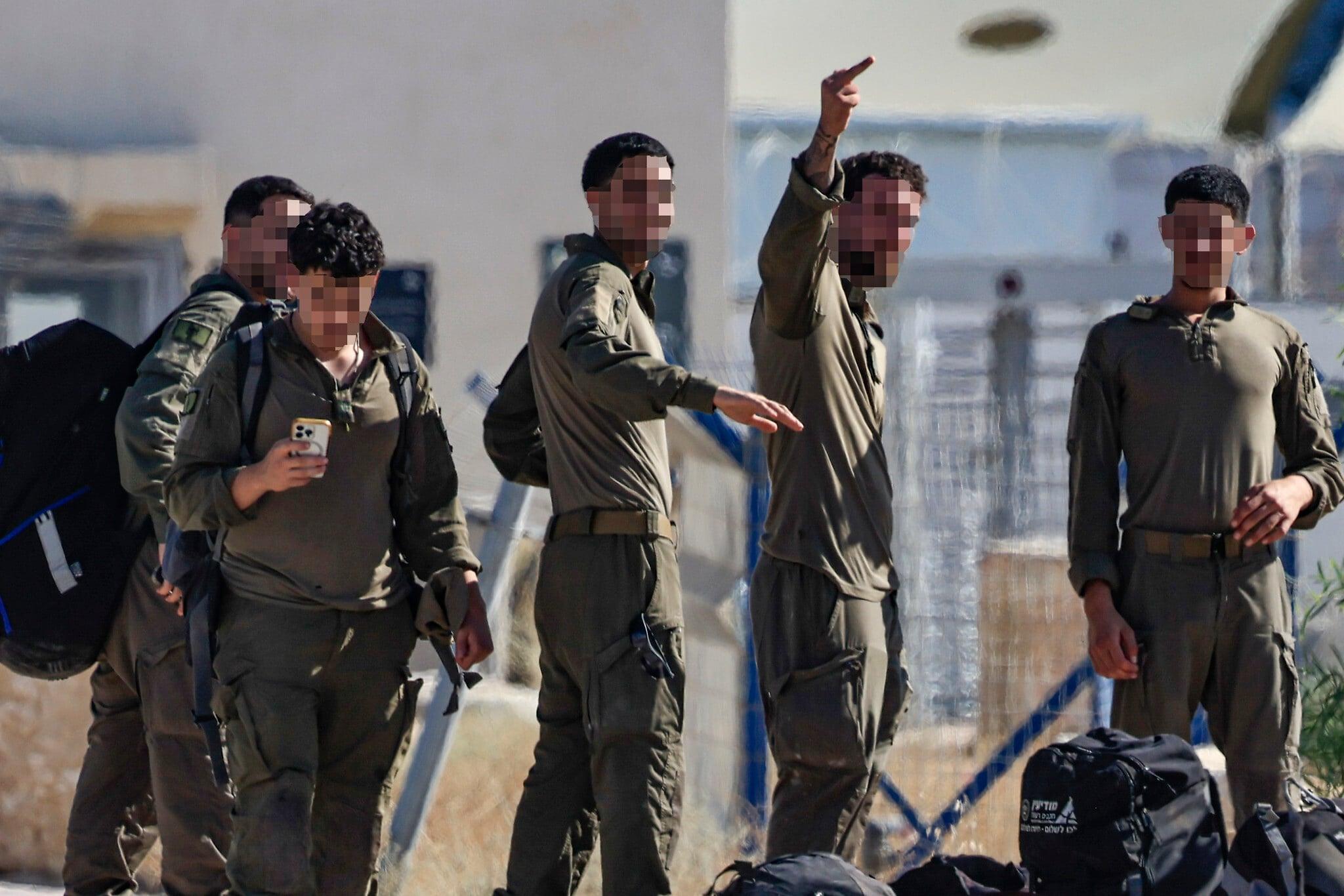
According to The Times of Israel, 14 soldiers from the Givati unit have been discharged from combat duty and sentenced to 30 days in prison for leading protests and abandoning their bases. Approximately 80 other soldiers who returned for training this weekend have not yet been judged, with one having disappeared.
Analysis & context
Analysis & Context
From an analytical perspective, this incident raises questions about the relationships between soldiers and military administrations within the Israeli army. Protests within the military institution frequently arise from dissatisfaction with leadership, issues related to service conditions, or concerns regarding strategic planning. The leaving of weapons by soldiers indicates a degree of distrust in the current leadership, which could have broader implications for stability and cohesion within the unit.
In the wider context, these events come at a time when Israeli military institutions are facing increasing challenges concerning discipline and commitment. There is also an ongoing debate about the role of young Israelis in the army, their level of participation, and how this affects unit dynamics. These incidents can serve as an indicator of internal tensions that may affect the ability to respond to security challenges.