Sourced fact
The News
According to Deutsche Welle, because of the blockage of the Strait of Hormuz, Iraq cannot export enough oil to fund the country’s huge public sector. Protests have already started. Will the Iran war destabilize Iraq again?
Analysis & context
Analysis & Context
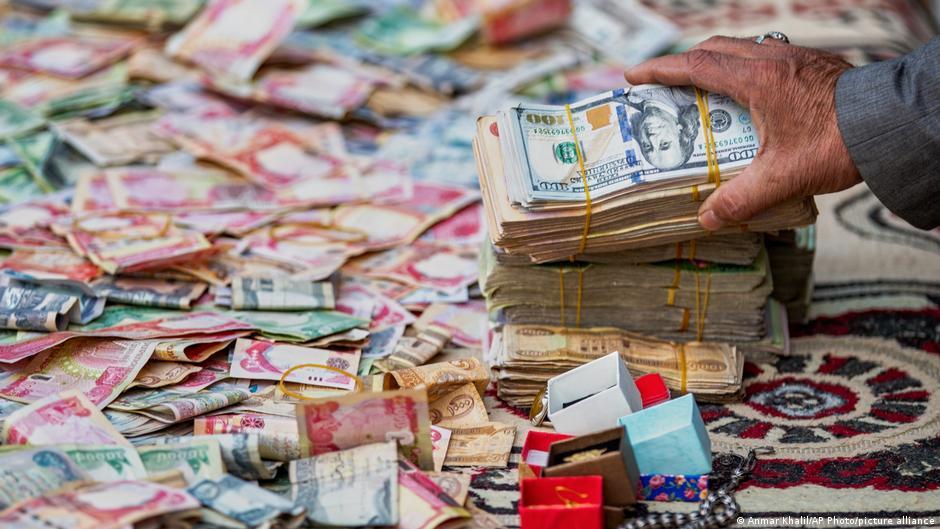
From an analytical perspective, this crisis represents a critical turning point in Iraq's political and economic landscape, making the state more vulnerable to internal instability and fluctuations due to increased external pressures. Iraq heavily relies on oil exports as its primary source of national income, and this export activity ensured economic stability and allowed for meeting the needs of the large public sector. However, the closure of the Bab al-Mandeb Strait (Strait of Hormuz) – a vital maritime passage connecting Iraq with global markets – has significantly hindered Iraq’s ability to export oil, leading to a severe shortage of foreign currency.
This deficit directly impacts the Iraqi government's ability to finance essential public services such as healthcare, education, and infrastructure, thereby fueling popular anger and intensifying the ongoing protests in Iraq. The demonstrators express their dissatisfaction with the deteriorating economic situation, calling on the government to take immediate measures to address the crisis, ensure economic stability, and provide basic services to citizens.
On a broader scale, the repercussions of the Iran-Iraq conflict extend beyond just an economic crisis; they also represent a significant political challenge. Events in Iraq’s political and social landscape during the post-Saddam Hussein era have demonstrated the fragility of the country, so escalating regional tensions, such as the current Iran-Iraq war, increase the risk of instability and exacerbate the living conditions for Iraqi citizens.