Sourced fact
The News
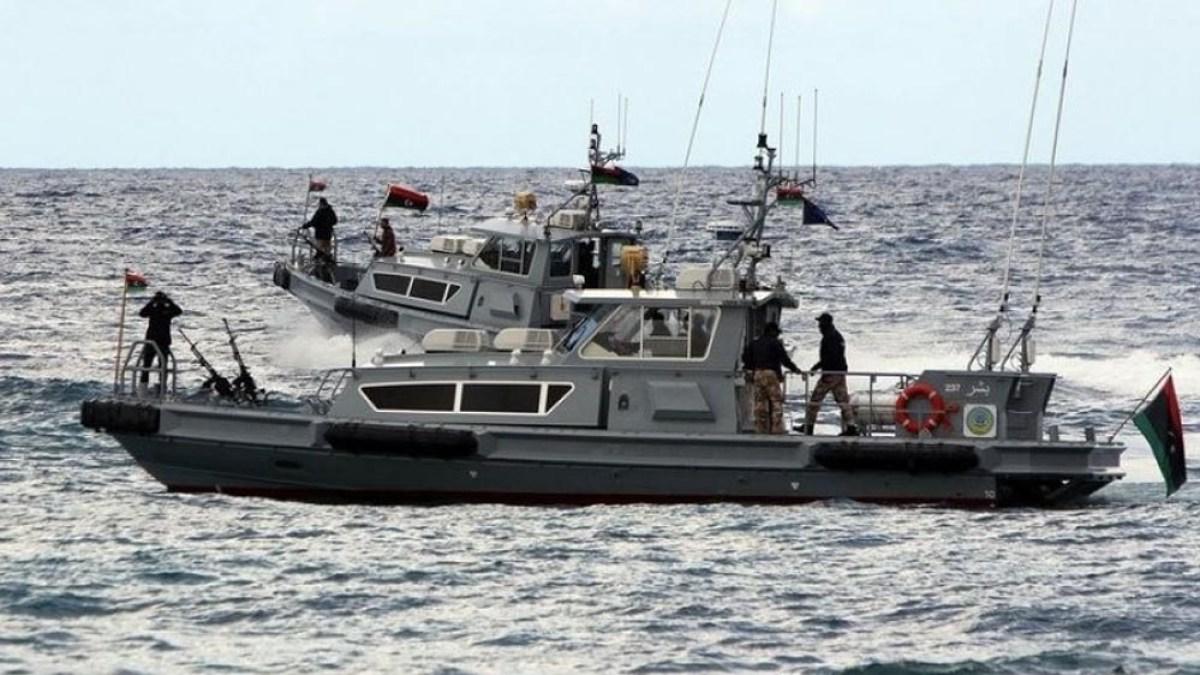
According to BBC News, Ukrainian cyber forces and its armed forces targeted a Russian corvette-class warship named "Mercury" in the port of Benghazi, Libya, during a daring nighttime operation that successfully struck the vessel. President Volodymyr Zelenskyy described this operation as an "ideal operation," while Russia viewed it as a dangerous escalation threatening civilians in Ukraine through its ongoing campaign of missiles and drones.
The report indicates that this attack confirms that the war in Ukraine is indeed spreading beyond its borders, especially following previous attacks on Russian oil facilities in the Balkans and commercial ships in the Gulf of Finland, which the Kremlin has labeled as terrorist acts. BBC News also noted that Libya is not a party to the Russia-Ukraine war, but the victimized ship was anchored in the eastern region under the control of self-styled field general Khalifa Haftar, who describes himself as such.
The United Nations mission in Libya expressed its "deep concern" over this attack, while the International Maritime Organization condemned all previous attacks on commercial shipping in the Strait of Hormuz, making this incident a source of global concern for trading companies. Furthermore, long-range Ukrainian attacks have extended to include very distant targets such as the Russian strategic bomber base in Siberia within the "Spider Web" operation.
Analysis & context
Analysis & Context
From an analytical perspective, this attack represents a fundamental shift in the nature of modern warfare, where military operations transcend traditional borders to reach extremely remote areas such as the Mediterranean Sea and Africa. These attacks demonstrate that Ukrainian drones have become an effective tool for economic and military pressure on Russia through what Zelenskyy calls "long-range sanctions."
In the broader context, reports indicate that the war is gradually transforming into a hybrid war involving cyberattacks, burning of military supply depots, and the use of drones for surveillance and attack. We have seen examples of this in Germany, where a drone targeted Leipzig-Halle Airport, which is used as a base for resupplying Ukraine.
Additionally, the spread of Russian missiles and drones threatens countries such as Poland, Romania, and Hungary, placing NATO before new security challenges that require a decisive response without engaging in direct military confrontation that could intensify the conflict. Attacks on commercial ships in the Black Sea and the Persian Gulf are indicative of the fact that the conflict is now directly affecting global maritime security.
Finally, the continuation of these attacks highlights the importance of international cooperation to protect commercial shipping and prevent the escalation of the conflict into regions not officially involved, such as Libya, which requires urgent diplomatic efforts to avoid transforming the region into a new battlefield for the conflict.