Sourced fact
The News
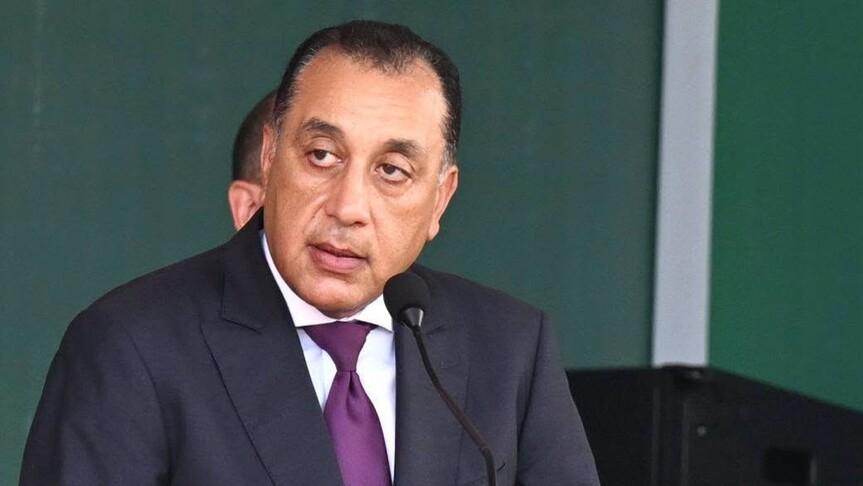
Egyptian Prime Minister Mostafa Madbouli called for an end to Israeli violations against Palestinians and rejected any attempt to forcibly displace them from the Gaza Strip and the West Bank, including East Jerusalem. He made these remarks during his address to the United Nations General Assembly at its seventy-ninth session held in New York on Friday.
Madbouli emphasized the necessity of implementing a full ceasefire in Gaza and completing Israel's withdrawal while ensuring the delivery of humanitarian aid, initiating early recovery, and beginning reconstruction. He also called for starting a political process that addresses the roots of the conflict.
The Prime Minister stated that peace cannot be built by uprooting peoples from their land, warning that regional stability is unattainable as long as Palestinian suffering continues and the Intifada is managed rather than ended.
He also expressed Egypt's support for establishing an independent Palestinian state with sovereignty, geographically continuous on the June 4, 1967 borders, with East Jerusalem as its capital, and called on the international community to protect civilians, refrain from collective punishment, and respect international humanitarian law.
Regarding regional security, Madbouli clarified that no country can achieve its security at the expense of its neighbors through attacks or threats to shipping routes, trade paths, and energy corridors. He underscored that Egypt's water security issue is an existential matter requiring binding agreements that protect shared resources without harming others.
Analysis & context
Analysis & Context
From an analytical perspective, these Egyptian statements reaffirm Cairo's steadfast position that a political solution is the only way to end the conflict, linking regional stability with the right of peoples to live in safety without forced displacement. Emphasizing the "1967 lines" reflects Arab and international consensus rejecting changes to the existing geographical reality through force or displacement, thereby positioning Egypt as a supporter of international diplomatic efforts.
In the broader context of water security, Madbouli described the water issue as "existential," aligning with Egypt's recurring concerns about Israeli projects on the Nile River that threaten Egypt's vital sustainability. This linkage between regional issues (Palestine) and existential ones (water) highlights Egypt's strategy of connecting international files to ensure its top interests and protect its sovereignty amid growing geopolitical challenges.
Furthermore, the call for Security Council reform reflects Egypt's orientation toward enhancing Africa's role in the international system, especially with increasing global attention to issues concerning the African continent and how conflicts there affect regional stability. Rejecting "collective punishment" and urging the international community to respect humanitarian law highlights Egypt's role as a neutral mediator seeking to protect civilians in various conflict zones.