Sourced fact
The News
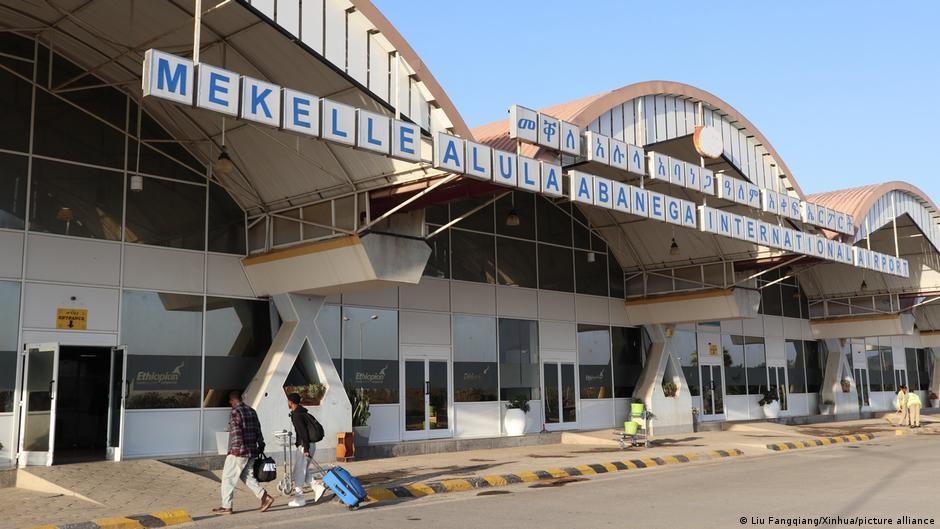
The Tigray region in northern Ethiopia is witnessing a new military escalation that raises questions about the fate of the fragile peace agreement reached in 2022 between the federal government in Addis Ababa and regional leaders. Reports from eyewitnesses in border towns of Adwa and Arba Minch, along with humanitarian sources, indicate that fresh clashes have erupted between Tigrayan forces and the Ethiopian National Defense Force since mid-September. As a result of this tension, Ethiopian Airlines has suspended flights to Mekelle, Shire, and Axum citing the current situation in the region, while Deutsche Welle could not independently verify reports of Tigray forces seizing regional airports.
Swedish researcher Kjetil Tronvoll describes recent developments as a critical escalation signaling the start of a new war, whereas German security analyst Gert Kurtz views these events as a step toward full-scale conflict. Narratives regarding the cause of this escalation differ: in a statement issued on September 23, the Tigray Regional Government claimed it responded to a defensive attack by the federal government and accused Prime Minister Abiy Ahmed of initiating a "genocidal invasion," while the federal government characterized the events as part of a coordinated threat by armed groups hostile to the Prime Minister.
Experts indicate that the current crisis is closely linked to the partial implementation of the Pretoria Agreement of 2022, which ended the civil war but failed to resolve underlying political and land-based conflicts such as the return of displaced persons and governance of the region. Fundamental disagreements over Ethiopia's political system emerge: the Tigray People's Liberation Front (TPLF) defends a strong federal structure, while Prime Minister Abiy Ahmed's government pushes for a more centralized model, making the implementation of agreement provisions merely part of a deeper struggle over the country's vision of governance.
Furthermore, a new alliance of seven armed groups opposing Abiy Ahmed adds another layer of complexity to the military and political landscape. Although some of these groups were former adversaries during the civil war, analysts view this coalition as primarily tactical, aimed mainly at ousting Prime Minister Abiy Ahmed, with fundamental disagreements among its members that may hinder sustained military and political cooperation.
The international community faces a significant challenge in containing this escalation before it transforms into a new full-scale war, as ongoing diplomatic efforts have so far failed to produce a new political process despite warnings from the United States, the European Union, and the African Union regarding potential risks. Experts believe no single party possesses sufficient influence over all involved parties, necessitating a broad international coalition and intensive diplomatic campaign to prevent further escalation of the conflict that has already affected multiple regions, including Eritrea, which faces allegations of supporting the alliance.
Analysis & context
Analysis & Context
From an analytical perspective, the current crisis cannot be separated from the flaws in the 2022 Pretoria Agreement, which ended two years of destructive war but failed to resolve underlying political and land-based conflicts. Western Tigray remains highly contentious: the return of hundreds of thousands of displaced persons has not been resolved, and questions regarding political representation vis-à-vis the federal government continue to fuel tensions. As Tronvoll notes, the agreement halted fighting but did not resolve the fundamental political conflict rooted in disagreements over Ethiopia's political system.
In a broader context, the essence of the disagreement lies in divergent visions for how Ethiopia should be governed: the Tigray People's Liberation Front traditionally advocates for a strong federal structure and significant regional autonomy, while Abiy Ahmed's government has moved rapidly toward a more centralized political model. This fundamental difference makes implementing agreement provisions merely part of a larger conundrum concerning Ethiopia's future state identity itself.
New alliances involving seven armed groups opposing Abiy Ahmed add another layer of complexity; the coalition includes the Tigray People's Liberation Front, Fano forces from Amhara Region, and the Oromo Liberation Army. Although some of these organizations were fierce enemies during the Tigray War, their cooperation represents a major political development, though analysts suggest it may be more tactical than a sustainable long-term strategy.
Finally, Eritrea's role remains a complex factor: the Ethiopian government accuses its neighbor of support while Eritrea denies such involvement. Moreover, the geographic nature of the alliance—with members operating in different parts of Ethiopia—makes coordinating military operations extremely difficult, increasing the likelihood that local skirmishes will escalate into a full-scale war encompassing other regions such as Oromia and Amhara.