Sourced fact
The News
The judges of the International Court of Justice (ICJ) have issued a historic ruling on the genocide case filed by Gambia against Myanmar. This is the first of its kind in which a state has been officially found guilty of committing genocide before an international court. The judgment comes after seven years since the lawsuit was filed, relying on international agreements signed since 1948 that no country had ever been held accountable for under previous international courts, despite similar crimes occurring in Rwanda and former Yugoslavia.
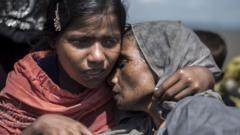
Asravan Sulaiman, the lawyer leading Gambia's case, stated that this judgment will breathe new life into the 1948 Convention and strengthen the concept of international legal accountability for crimes committed by states. Reports confirm that the expulsion of Rohingya civilians from Rakhine State in August and September 2017 was a military operation marked by exceptional cruelty, including burning villages, torture, and gang rape.
The Myanmar military government defended itself, claiming it conducted military cleansing operations as a response to terrorist acts committed by Rohingya militants. United Nations reports refuted these claims, noting that the army's tactics were disproportionate to actual security threats. The International Court clarified that it was established in 1945 to resolve disputes between states and not to try individual crimes, but chose to examine this case due to the lack of alternatives available for Rohingya victims.
Literati and former deputy head of the exile government Aung San Suu Kyi played a prominent role in defending Myanmar personally before being ousted from power in the 2021 coup, where she claimed the conflict was complex and that committing war crimes did not necessarily prove intent to genocide. Lawyers for Myanmar and the former deputy president argued that Gambia's team had mischaracterized the situation, while Sulaiman maintained that the presented evidence showed a long history of discrimination and state policies that formed the backdrop for the 2017 operations.
Analysts fear that condemning Myanmar will bring it a severe stigma placing it alongside countries like Nazi Germany, especially given the absence of an appeal right or direct sanctions imposed by the court. Nevertheless, Rohingya activists view this judgment as official recognition of their suffering after decades of denial, which could encourage other nations to take coordinated action to resolve the ongoing humanitarian crisis.
Analysis & context
Analysis & Context
From an analytical perspective, this judgment marks a fundamental shift in international law, as no state has ever been found guilty by an international court of committing genocide before. Although the court was established in 1945 to resolve disputes between states rather than to try individuals for international crimes, it was chosen to serve Rohingya victims due to the scarcity of alternative legal pathways available to them.
In a broader context, international reports from 2018 indicate that the army's tactics were disproportionate to actual security threats, necessitating investigations into high-ranking military leaders. Aung San Suu Kyi played a pivotal role as the leader defending her country legally until her removal via the 2021 coup, facing widespread criticism for refusing to condemn the army's operations despite their limited influence on military decisions.
Proving genocide typically requires convincing judges that the intent was extermination rather than mere wartime damage, as seen in the Bosnia vs. Serbia case which took 14 years to reach a similar conclusion regarding state intent. Gambia's team relied on a long history of discrimination and the 1982 nationality laws as evidence of criminal intent behind the 2017 cleansing operations.
While no direct punishment is imposed by the International Court of Justice after the judgment, the condemnation casts a significant negative shadow on the state's reputation and hinders military leaders' efforts to improve their international image. For displaced communities such as the Rohingya in Canada, this judgment represents official recognition of their suffering after decades of denial and waiting for justice.