Sourced fact
The News
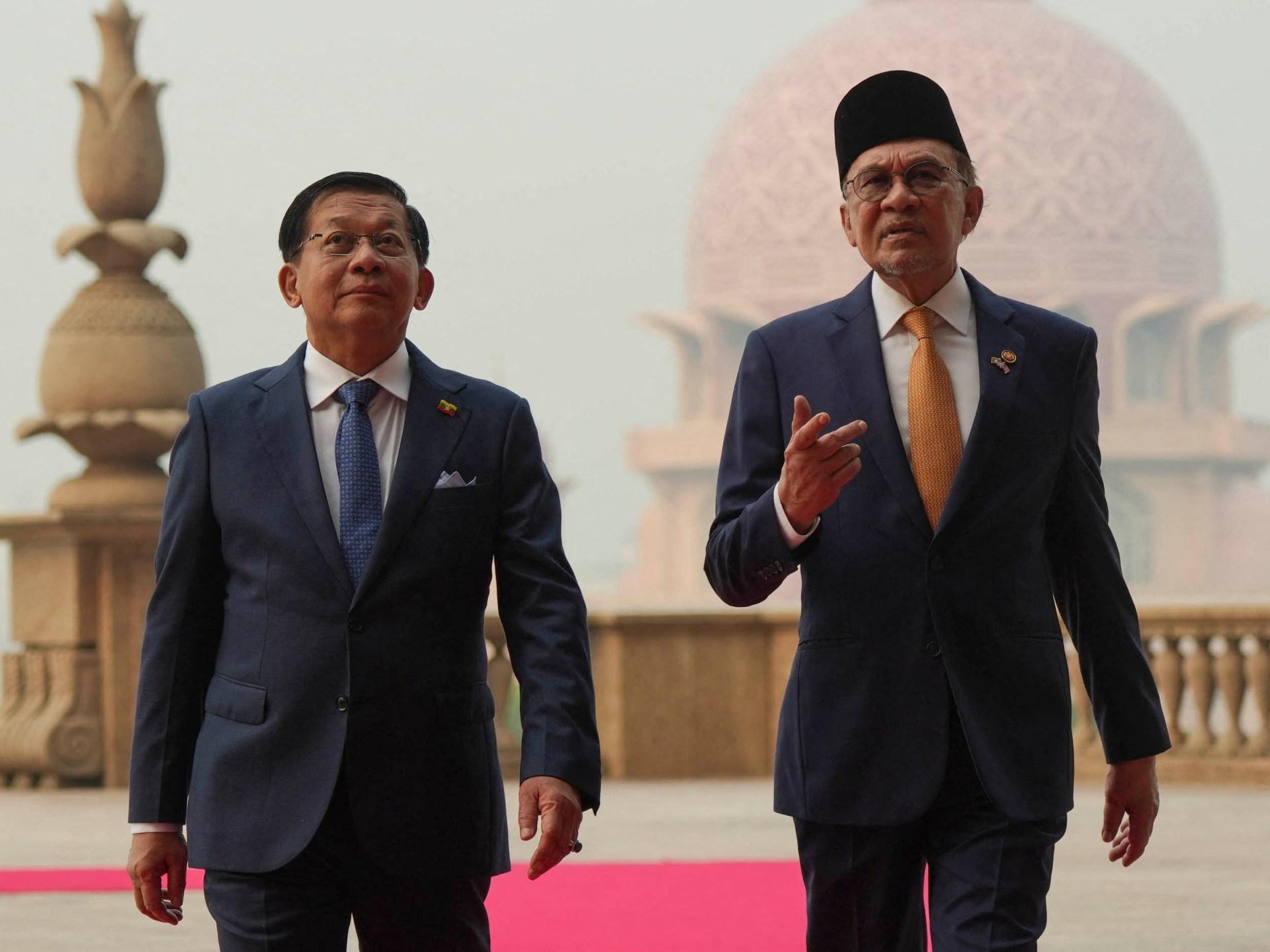
Prime Minister Anwar Ibrahim of Malaysia welcomed Myanmar's President Min Aung Hlaing in Putrajaya on October 8, marking the first official visit by the president since the 2021 coup. The visit has sparked debate over Malaysia's stance on human rights in Myanmar. On October 9, Malaysia repatriated 1,476 Myanmar refugees by sea, as part of a plan to return another 5,000 people.
According to Al Jazeera, some see this move as pragmatic diplomacy by Malaysia, while others view it as weakening international law and institutions that smaller nations depend on. This move comes amid difficult internal conditions, where Malaysia has seen an increase in hate speech and fake news against the Rohingya, the largest group of refugees in the country. In July, nine Rohingya schools in Ponsanung were closed due to local pressure, while over a hundred Rohingya were expelled from another village. Despite the Malaysian police indicating that the Rohingya are a small percentage of crime, numerous studies show that artificial intelligence contributes to the spread of misinformation against the Rohingya online.
In this context, some analysts believe Malaysia might be using this move to showcase its political strength ahead of the expected 2028 general elections. Others, however, see this move as putting Malaysia in a precarious position, as it contradicts the country's previous support for international justice and human rights.
Analysis & context
Analysis & Context
From an analytical perspective, Min Aung Hlaing's visit raises questions about Malaysia's credibility in supporting international justice. Many small and medium-sized countries face increasing pressure to deal with leaders accused of war crimes and crimes against humanity. This pressure comes at a time when the International Criminal Court (ICC) faces unprecedented challenges from the United States and other major powers.
In a broader context, countries like Malaysia face tough choices between supporting international justice and maintaining diplomatic and economic relations. This tension highlights the importance of the role that small and medium-sized countries can play in supporting international institutions and working towards global justice.