Sourced fact
The News
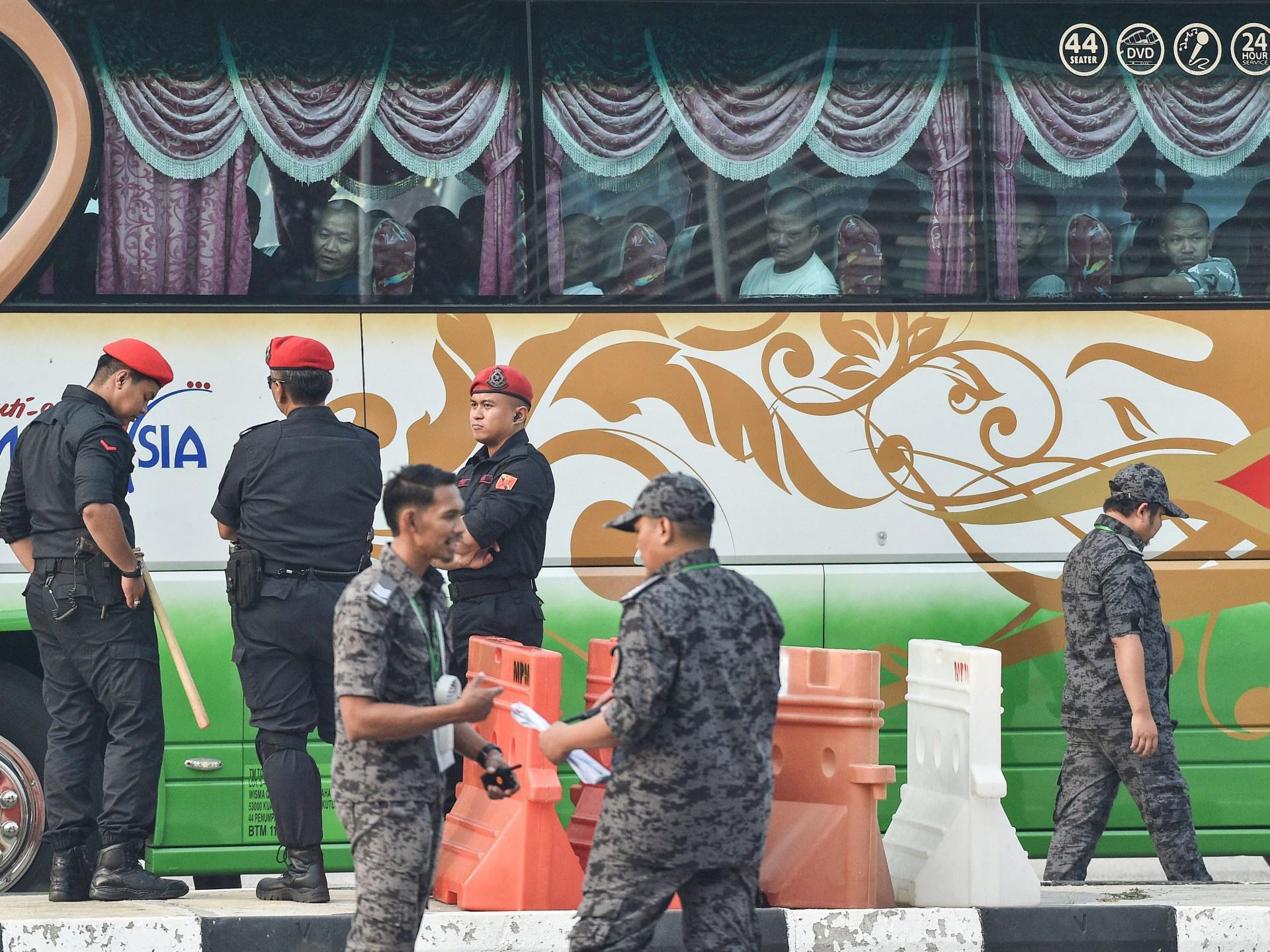
Malaysia has begun sending nearly 1,500 Rohingya refugees to Myanmar, describing this return as voluntary despite warnings from the United Nations and human rights organizations about the unsafe conditions in Myanmar. Buses carrying the refugees arrived at a stadium near Naval Lumut Base in northwest Malaysia, where journalists were barred from entering the stadium. Malaysia's Home Ministry estimates there are more than 126,000 Rohingya refugees in the country as of February 2026, while Bangladesh hosts over two million Rohingya refugees.
Malaysian Prime Minister Anwar Ibrahim announced in July that Myanmar had agreed to repatriate 5,000 Rohingya refugees, without clarifying who the current returnees are. However, Malaysia's Home Ministry declined to comment on the UN's warnings, stating that the return is voluntary.
Nay San Lin, vice chairman of the National Rohingya Council, pointed out that returning to Myanmar is not a repatriation but sending people to a place where they face the risk of death. He added, "Genocide has not stopped; sending Rohingya people to this place is not a return." Additionally, Ru Mai Yu Islam, head of the Cox's Bazar Rohingya Crisis Research Center, expressed opposition to the return under unsafe conditions, stating, "Do not confuse the repatriation of refugees with resolving the crisis. Transferring Rohingya from detention centers in Malaysia to Myanmar does not solve the Rohingya crisis."
Doctors Without Borders urged Malaysia to halt the return and reveal the identities of those being repatriated and the risks they face. Over 160 civil society organizations also called for an end to the return due to violence and threats that Rohingya face. Meanwhile, the Myanmar government pledged to provide a safe and dignified return, while Malaysia’s Minister of Communications Fumiy Fadzil assured that his country would not repatriate individuals facing discrimination or threats to their lives.
However, those who have already returned face significant challenges, lacking jobs and full rights. Ismail, who returned from Malaysia to Yangon, said he lost his job at the fish market and now lives on relatives' support. Another Rohingya migrant expressed fears that returnees would be sent to displacement camps in areas still witnessing conflicts and disease outbreaks.
Analysis & context
Analysis & Context
Analytically, Malaysia faces increasing pressure to repatriate the Rohingya to Myanmar, aiming to improve relations with Myanmar and address the refugee issue. However, many observers see this move as potentially unsafe and inhumane, especially with ongoing conflict in Myanmar.
In the broader context, the Rohingya face significant challenges in securing their basic rights and recognition as an ethnic group in Myanmar. The continued conflict in the region exacerbates the difficulty of a safe and dignified return for the Rohingya to their homes.
It is also worth noting that Malaysia is not a signatory to the 1951 United Nations Convention Relating to the Status of Refugees, making the status of refugees in Malaysia unstable. This makes it difficult for the Rohingya to obtain legal protection and necessary support in Malaysia.