Sourced fact
The News
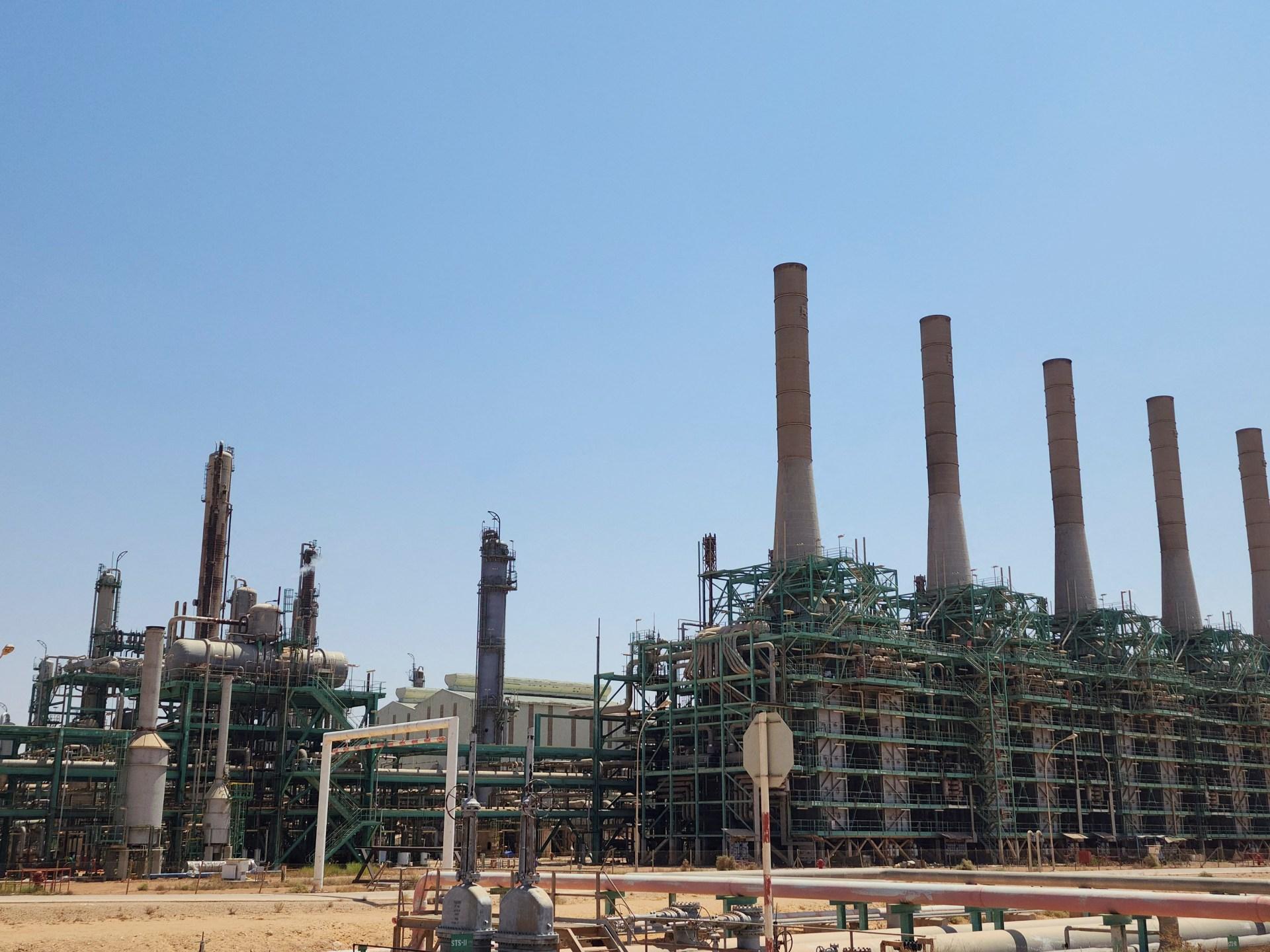
Libya is leveraging the global energy crisis stemming from the war between the United States and Israel against Iran, as strategic interest in the African nation has surged as part of Europe's efforts to seek alternatives for its supplies and trade routes. Libya possesses immense potential in oil and natural gas, holding approximately 48 billion barrels of proven reserves, which makes it the largest African country in this sector. It also owns massive gas fields connected directly to Europe via pipelines across the Mediterranean.
The report highlighted that Libya's internal situation presents a significant challenge despite being a major global energy source, as citizens suffer from periodic power outages due to an inefficient energy system that consumes over 70 percent of domestic production solely for electricity generation. These structural and political issues have caused a steady decline in gas exports, dropping from around 200 billion cubic feet in 2019 to 35 billion cubic feet in 2025—the lowest level in 22 years—while at least 200 billion cubic feet are burned annually without utility.
The source emphasized that total reliance on the hydrocarbon export model could trap the country in the "resource curse" syndrome, hindering structural reform; thus, revenues from rising demand must be channeled into developing the local energy system by recovering flared gas and modernizing power generation and transmission networks. Libya's National Sustainable Energy Strategy aims to achieve 22 percent of electricity from renewable sources by 2035, contingent upon security and administrative stability to realize this ambitious goal.
Libya seeks to transform itself from a mere energy exporter into a Mediterranean energy hub by strengthening regional cooperation with neighboring countries like Egypt and Tunisia, which possess significant infrastructure and processing capacities. A cooperation agreement between Egypt and Libya was already signed in January covering oil exploration and development, alongside discussions on constructing an 800-kilometer pipeline valued at one billion dollars to transport Libyan crude directly to Egyptian refineries.
Experts hope to utilize diverse partnerships with international companies such as Chevron, INE, and MOL to diversify investment and reduce reliance on a single party, while maintaining national sovereignty by building sufficient local capacities to avoid risks arising from unthoughtful regional integration. This phase is considered an opportunity to redesign the Libyan strategy to achieve specialization, connection, and repetition in energy production that serves the country's current needs and security and economic conditions.
Analysis & context
Analysis & Context
From an analytical perspective, Libya's greatest challenge lies in managing the massive financial flows resulting from global demand without reverting to the traditional pattern focused solely on resource extraction and distributing returns. This historical model traps the country in a vicious cycle of economic stagnation and administrative corruption, making any increase in prices or volume temporary and failing to achieve sustainable development for the Libyan people.
In a broader context, the region is moving toward a new model of regional cooperation aimed at transforming Libya into a Mediterranean energy hub connecting Egypt, Tunisia, and the European Union. Last month, new energy cooperation agreements were signed with Egypt to expand refining and build massive pipelines, while Libya opened a joint licensing round with Tunisia to exploit shared discoveries in the maritime waters of both parties.
However, increasing reliance on external partners carries geopolitical risks that could threaten national security if not managed wisely. The lesson learned from past crises such as the Strait of Hormuz crisis is the necessity of maintaining sufficient local production and refining capacities to ensure state autonomy and resilience against any external shocks or fluctuations in international relations.
Finally, the current moment represents an opportunity to redesign the country's entire infrastructure, where oil and gas revenues can fund renewable energy projects and improve electrical transmission networks. Success in this transformation requires strong political will to reform the massive subsidy system that absorbs one-third of GDP, and adopting transparent policies that attract foreign direct investment for technology rather than just capital.