Sourced fact
The News
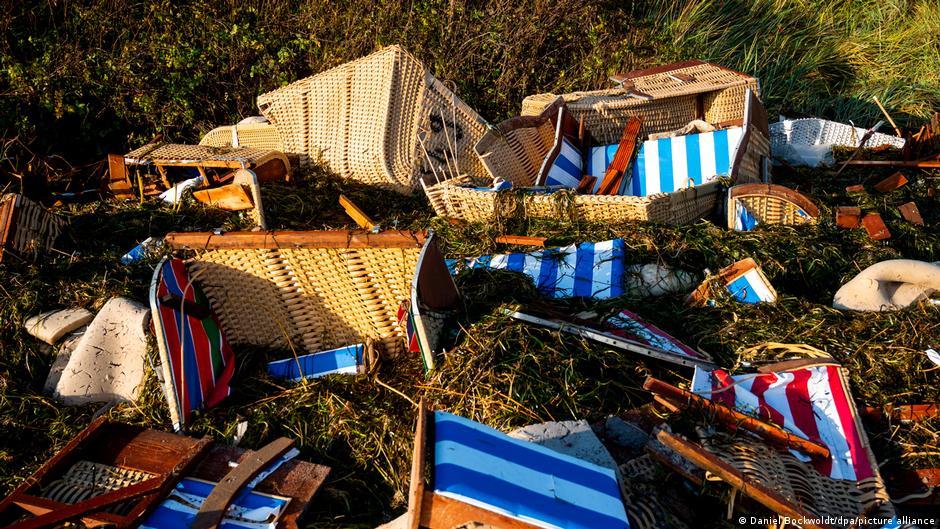
According to Deutsche Welle, Western Europe has recorded its hottest-ever June and July, and extreme weather from wildfires to storms is here to stay. Cities like Kiel are trying new ideas.
Analysis & context
Analysis & Context
From an analytical perspective, this development indicates a growing global trend – the increasing incidence of extreme climate emergencies in Western Europe and globally in general. We have witnessed in recent years a significant rise in temperatures, rising sea levels, and severe weather events, leading to substantial economic, social, and environmental consequences. This is not merely a transient event; it’s part of a broader climatic transition that requires comprehensive responses at the individual, governmental, and local levels.
In the wider context, the city of Kiel represents an increasing effort in Europe to address climate challenges. Cities are often the most vulnerable to the direct impacts of climate change – due to high population densities and sensitive infrastructure – therefore preparedness and adaptation capabilities within them are crucial. The focus on "what seems to be the new normal" suggests that this is not just a short-term response, but rather a comprehensive reassessment of urban planning practices and risk management strategies.