Sourced fact
The News
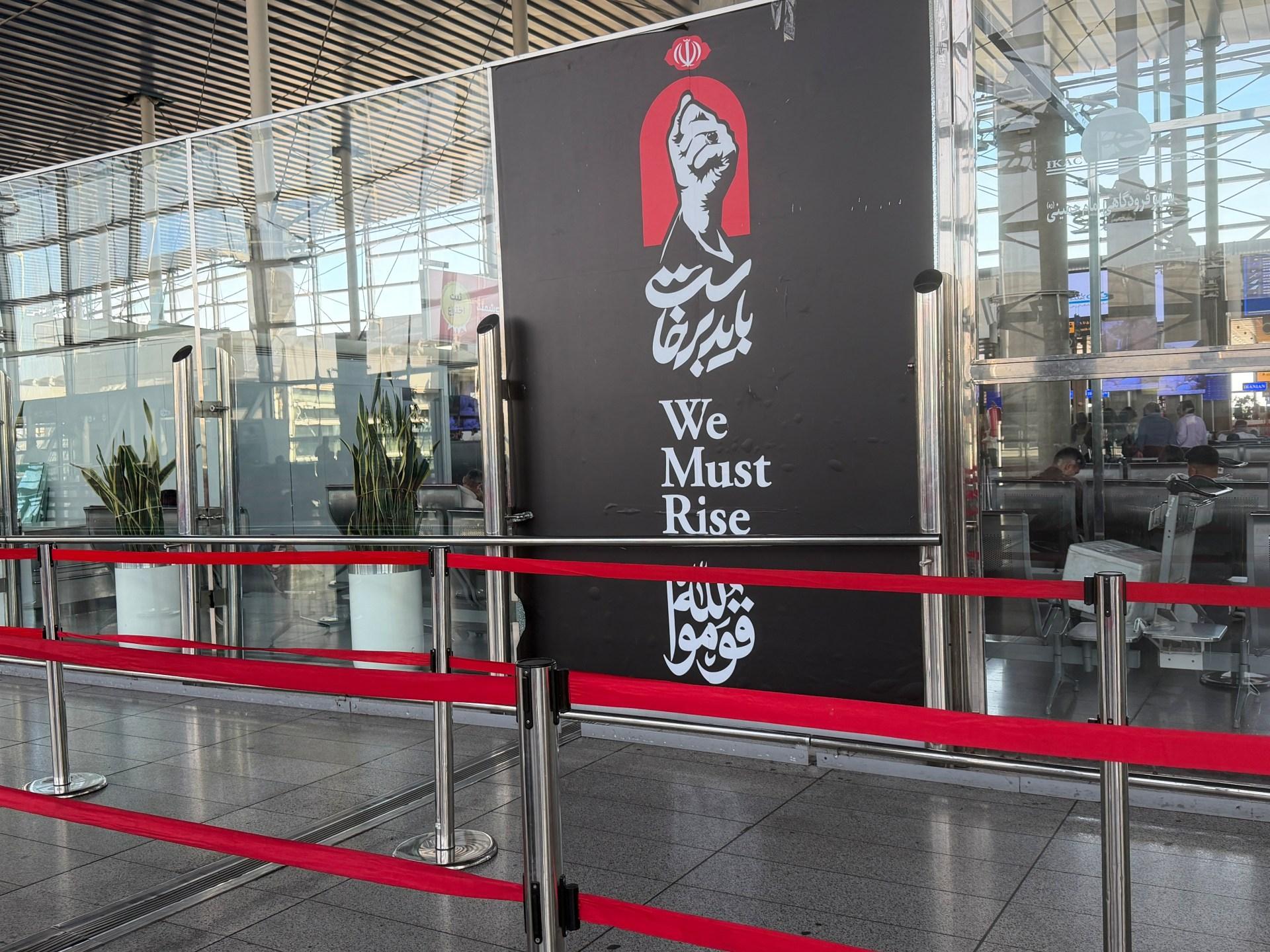
Iranian civilians face increasing difficulties in traveling as new US sanctions have closed local air lines to many global airspace areas and international airlines continue to avoid the country. On September 8, the US Treasury Department designated an additional 27 Iranian airlines, including major carriers such as Iran Air and Mahan that were previously under sanctions and are now operating with limited capacity.
A US official clarified that airports and companies providing fuel, landing services, or tickets for Iranian aircraft risk secondary sanctions that could isolate them from the US financial system. Meanwhile, the short grace period for countries to stop serving Iranian carriers has ended, leading to the cancellation of all flights except a few to Turkey, the UAE, and China.
Iranian aviation expert Mohammad Reza Ibrahimpour stated that neighboring countries' refusal to provide services constitutes "a new level of sanctions" with long-term consequences. He noted that the US effectively banned international airlines from overflying Iranian airspace, causing Iran to lose more than $300 million annually.
Ibrahimpour added that these measures put tens of thousands of jobs in the aviation sector and related industries such as tourism at risk, while forcing thousands of travelers to rely on land crossings with Turkey and Armenia, where congestion has piled up at border points like Zarigan and Razi.
The source also noted that closing some border crossings between Iraq and Iran has significantly prolonged travel times, while bus ticket prices have risen nearly fourfold in the black market amid surging demand from young Iranians attempting to take international language exams that cannot be conducted within the country.
Analysis & context
Analysis & Context
From an analytical perspective, this escalation represents "a new level" of sanctions as described by Iranian aviation expert Mohammad Reza Ibrahimpour, where sanctions have shifted from mere financial restrictions to actual prevention of air services in neighboring countries. This has led to the closure of Iran's air transport network, which historically relied on third-party nations for fuel and spare parts, thereby exacerbating maintenance crises for its aging aircraft fleet.
In the broader context, data indicates that Iran's ability to import goods via air had already deteriorated sharply before these new sanctions. According to aviation analytics firm Cirium, international capacity in August 2026 was 49% lower than in 2025. The situation has worsened with the US naval blockade of Iran's ports in the Strait of Hormuz, which restricts maritime trade, making reliance on land and sea routes even more difficult and complex.
Experts fear that the effects of these regulations will extend to other sectors such as tourism, hospitality, and education, where requests from Iranian graduate students and researchers at universities in countries like Norway, Australia, and Singapore have been rejected. Additionally, the fourfold increase in bus ticket prices to Turkey on the black market has forced thousands of travelers to use congested land border crossings.
Finally, although the US administration described these measures as targeted against Iran's authorities to prevent commercial aviation from purchasing weapons, the practical outcomes have directly affected millions of ordinary civilians who cannot afford travel costs or even domestic flights amid deteriorating economic conditions.