Sourced fact
The News
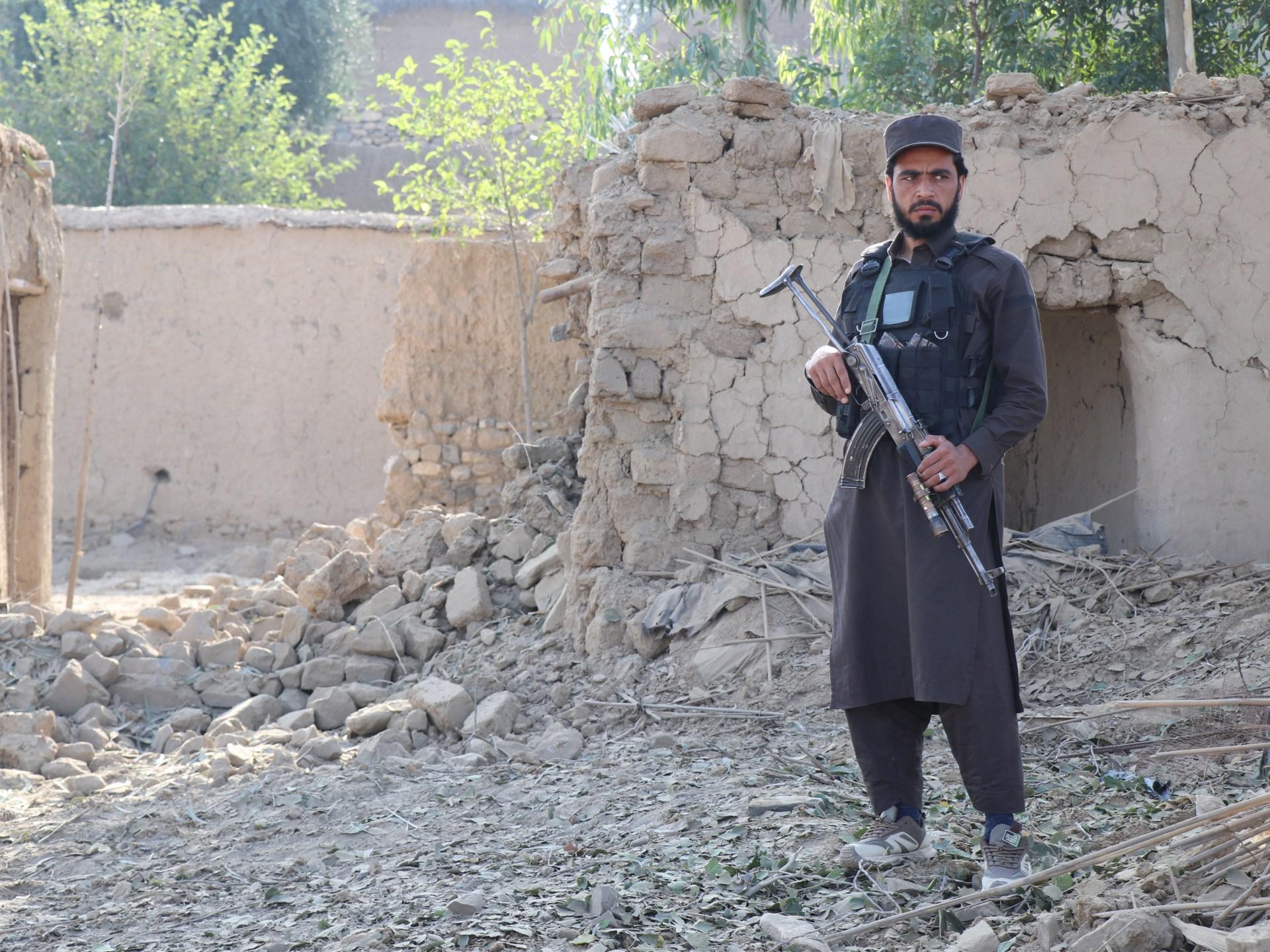
The Afghan Defense Ministry under the Taliban government announced that 28 members of terrorist groups attempting to cross the border from eastern Nuristan province into Afghanistan were killed. In a statement published on the "X" platform, the ministry confirmed that Afghan forces engaged in clashes with these gangs on Sunday, noting that most of the fighters were former employees of Afghan security agencies who had been recruited by Pakistani intelligence services in exchange for promises of asylum and well-paid employment abroad.
The Afghan Defense Ministry also claimed that the list of the dead included elements from ISIS (Daesh) supported by Pakistani militias. However, Pakistan's Minister of Information and Broadcasting categorically denied these accusations in a post on "X," describing the claims as "false and devoid of any real basis." Islamabad denied the involvement of its security forces or intelligence agencies in the clashes that occurred in Nuristan, also denying that it recruited or trained former Afghan security personnel or contributed to empowering ISIS or any other armed groups in Afghanistan.
The Pakistani Minister of Information called on the Afghan government to take verifiable and credible actions against terrorist groups operating from its territory, emphasizing the need for Afghanistan to honor its commitments to prevent Afghan soil from being used for terrorism against Pakistan or any other country, rather than attempting to deflect attention through fabricated accusations. These escalations come amid rising tensions between the two countries. Last week, Pakistan launched air strikes on ten Afghan sites used for storing and launching drones that participated in cross-border attacks.
Thursday's Pakistani airstrikes resulted in the death of at least four people, according to a representative of the Taliban-affiliated Afghan government, who promised appropriate retaliation for these violations. Pakistan has repeatedly accused Afghanistan of harboring fighters attacking its territory, claims that Kabul consistently denies. Following the clashes on Sunday, Pakistani air strikes in Afghanistan on September 21 reportedly killed 28 fighters, according to Islamabad officials, while Afghan authorities denied civilian deaths and confirmed that the UN Mission in Afghanistan reported at least three civilians were killed.
Analysis & context
Analysis & Context
From an analytical perspective, this tension represents a dangerous escalation in bilateral relations between Islamabad and Kabul, where mutual accusations of terrorism have turned into direct conflict involving the use of military force across borders. This incident reveals the fragility of the security situation in eastern Afghanistan, particularly in Nuristan province, which is considered a sensitive border area witnessing continuous movements by armed groups from both sides.
In the broader context, these events reflect the continuation of an indirect conflict between the two countries since the fall of the Taliban regime in Kabul, where terrorism remains a heavy burden on diplomatic and security relations. A significant gap emerges in the interpretation of security realities: Islamabad views Afghanistan as a haven for groups threatening its national security, while Kabul sees these accusations as attempts to justify internationally unregulated Pakistani military attacks.
Reports also indicate that the tension is not merely a transient border dispute but part of a wider struggle over control of airspace and shared borders in the Himalayan region, which experiences frequent military movements. This incident underscores the critical role played by intelligence services in recruiting former security personnel to form pressure groups or carry out cross-border attacks, adding another layer of complexity to the crisis.