Sourced fact
The News
Severe weather conditions led to the cancellation of nearly 400 flights and delays of more than 1,200 others within the United States and internationally on Thursday, coinciding with peak travel during Thanksgiving. Flight tracking company FlightAware reported these figures, while the Federal Aviation Administration (FAA) warned that delays are expected to continue throughout the week due to anticipated rain and strong winds.
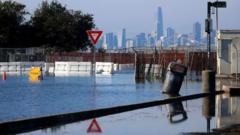
Officials stated that the powerful storm would engulf the US East Coast on Thursday, bringing heavy rains, severe winds, and major coastal flooding. Meanwhile, New Jersey Governor Mike Sweeney declared a state of emergency in preparation for the extreme weather. In New York, Macy's annual Thanksgiving parade was postponed to Saturday due to weather conditions. Additionally, the National Weather Service forecasted water levels along the California coast to rise more than 8 feet in some areas, breaking last month's records.
In the Miami area, flight delays persisted after the FAA ordered all airports except one to close temporarily on Wednesday following a FedEx cargo plane that overshot the runway. The company confirmed in a statement that the crew was safe and no injuries were reported. While an airport spokesperson noted that rainy conditions may have contributed to the incident as the pilot could not stop in time.
This incident comes just 11 weeks after another cargo plane crash at the same airport, which resulted in five fatalities and other injuries, according to the FAA, which is currently investigating the recent accident. The American Automobile Association (AAA) expects more than 81.5 million Americans to travel at least 50 miles from their homes during Thanksgiving week, making major airports preferred destinations for flights despite repeated warnings of storms striking both the western and eastern coasts simultaneously.
Analysis & context
Analysis & Context
From an analytical perspective, Thanksgiving is one of the most dangerous periods of the year for US airlines and infrastructure due to millions of travelers concentrating on air travel at once while anticipating strong winter storms, creating immense pressure on air traffic management systems. Historically, such situations recur where peak tourism coincides with hurricane or winter storm activity, forcing authorities to take extraordinary measures such as temporarily closing airports or postponing major events to ensure public safety.
In a broader context, data from the American Automobile Association AAA indicates that more than 81.5 million Americans plan to travel more than 50 miles during a seven-day period, making any significant weather disturbance have wide-ranging economic and social impacts that extend beyond mere flight cancellations to include effects on supply chains and logistics services. Furthermore, the recurrence of flooding in certain coastal areas like California and New Jersey reflects growing challenges related to climate change and its impact on the intensity of coastal storms and rising sea levels.
Finally, the incident involving a FedEx plane at Miami International Airport highlights the importance of collaboration between cargo airlines and regulatory bodies like the FAA to ensure a rapid and safe response when emergencies occur, especially at major airports that serve as primary destinations for travelers during national holidays.