Sourced fact
The News
On Monday, Pakistan conducted airstrikes on northeastern Afghan territory to target suicide bomber training facilities, marking the first such attack since last June and occurring immediately after an assault on Pakistani police forces across the border in Kohat. According to Islamabad's Ministry of Information and Broadcasting, the precision strikes destroyed three targets including a suicide bomber training center, resulting in the death of 28 terrorists and the destruction of large quantities of weapons and ammunition.
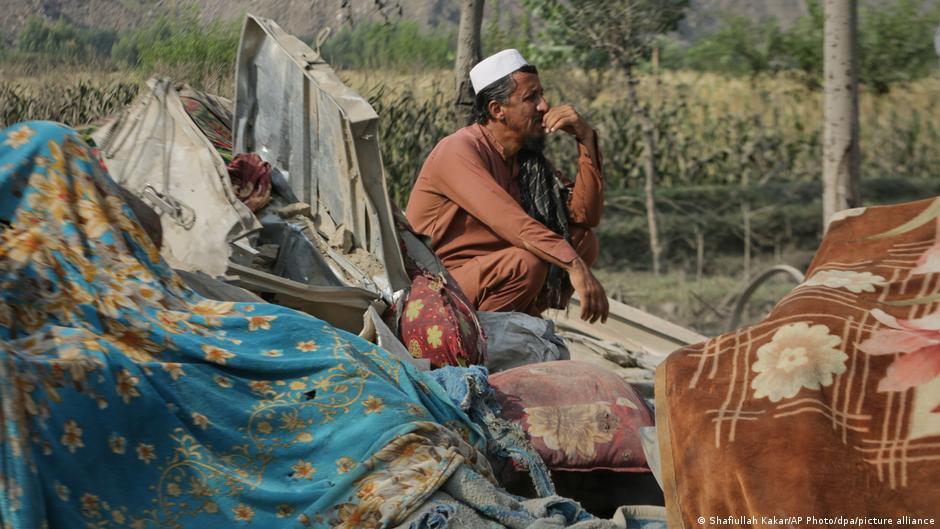
In contrast, Taliban rulers in Kabul have denied these claims, asserting that the strikes targeted civilian homes. Hamidullah Firat, the government's deputy spokesperson, reported via his platform X that two airstrikes destroyed a house entirely in the Nurgal district of Kunar province, causing three deaths and four injuries. Firat added that a second strike hit a shop and an unoccupied building in Paktika province, characterizing these attacks as a blatant violation of Afghan sovereignty and civilian protection.
These tensions follow a suicide attack and a 20-hour armed confrontation between armed groups and Pakistani police at the Kohat police headquarters last Friday, which resulted in at least 31 deaths, including 16 police officers. The Pakistan Taliban-linked Mujahideen United Group has claimed responsibility for this suicide attack targeting internal security.
These recent escalations have destroyed three months of relative calm between the two neighboring countries since the Taliban returned to power in 2021. Islamabad declared open warfare with Afghanistan after attacks on civilians and security forces within Pakistan increased. The Afghan government rejects allegations that Afghanistan is being used as a base for training armed groups, considering terrorism in Pakistan an internal issue unrelated to Afghanistan.
Analysis & context
Analysis & Context
From an analytical perspective, the escalation of military tensions between Islamabad and Kabul represents a dangerous shift in the dynamics of bilateral relations that have been severely strained since the Taliban returned to power in 2021. Last month, Pakistan described entering "open war" with Afghanistan following an increase in militant attacks on civilians and security forces within its territory, leading to reciprocal military responses.
In a broader context, these incidents indicate the region's continued role as a conflict arena where armed groups and neighboring states struggle over border control and counter-terrorism efforts. The Pakistan Taliban-linked Mujahideen United Group is among the most prominent actors accused by Islamabad of hiding in Afghanistan, while Kabul denies these accusations, maintaining that terrorism in Pakistan is an internal problem.
This escalation highlights the risk of border disputes turning into open war with regional repercussions, especially after intense clashes in the region subsided last February for three months of relative calm. Reports confirm that recent airstrikes are part of a series of retaliatory strikes that have caused hundreds of deaths since the beginning of the year.
Finally, the inability to immediately verify details of attacks and casualty figures reflects the complex nature of conflict in the region, where official narratives overlap with field reports that are difficult to confirm, intensifying tensions and complicating international mediation efforts.