Sourced fact
The News
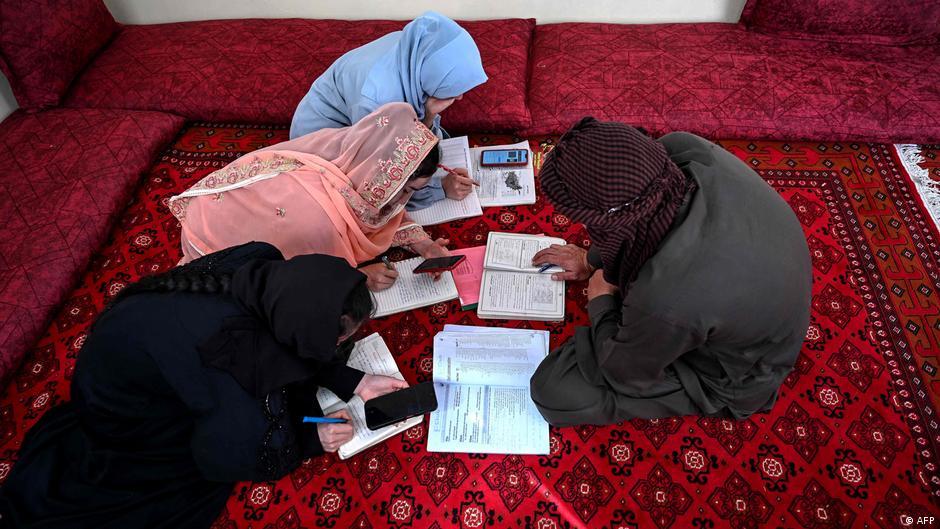
According to Deutsche Welle, five years after the return of the Taliban to power, millions of Afghan girls remain outside the scope of secondary education. UNESCO warns of lasting social and economic consequences.
Analysis & context
Analysis & Context
From an analytical perspective, this development represents a worrying trend within the broader context of restrictions on women’s rights and education in Afghanistan since the Taliban's takeover in 2021. This issue is connected to a long history of challenges facing the country, including ongoing conflict, a sharp economic decline, and increasing international isolation. The deprivation of millions of girls from secondary education is not just an educational problem; it’s also a violation of human rights and a threat to the social and economic development of the country in the long term.
This report from UNESCO comes within a global context of growing interest in gender disparities in access to education, a matter that raises widespread international concern. The situation in Afghanistan is particularly exceptional due to the nature of the ruling system and its strict limitations on women’s freedom and participation in public life.