Sourced fact
The News
Swiss voters are expected to reject a new proposal to strengthen neutrality in a referendum held on Sunday. Regional broadcast estimates from SRF indicate that 71% of votes were cast against stricter measures, while 29% supported them. This initiative was proposed by the "Pro Schweiz" alliance, which belongs to the far-right and aligns itself with the Swiss People's Party, arguing that the government has drawn too close to the European Union and NATO due to Russia's war in Ukraine.
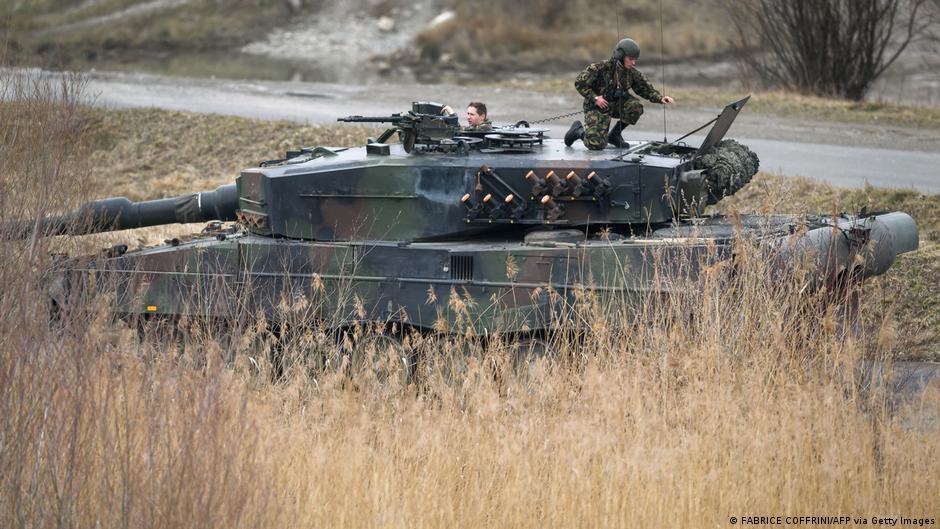
The initiative seeks to achieve permanent neutrality without exceptions and maintain a strong defensive army, while refraining from participating in conflicts involving third parties and abstaining from joining defense alliances except in cases of direct attack. It also demands UN approval for any sanctions before Switzerland joins them. All major political parties rejected this proposal, with the exception of the Swiss People's Party, which believes that maintaining armed neutrality is necessary to enhance credibility, peace, and diplomacy.
In contrast, Swiss Foreign Ignazio Cassis confirmed during a television debate that neutrality must be applied with certain flexibility in the modern world and that countries cannot isolate themselves behind it while treating perpetrators and victims equally. A recent poll conducted by the Swiss Broadcasting Corporation indicates that 63% of respondents intend to vote against the initiative, while only 34% support it, reflecting limited public support for a strict interpretation of neutrality.
Personal voting begins at 10:00 AM Swiss time and ends at noon. Results are expected to be announced one hour after polling stations close. On the same day, voters also approved the food security initiative aimed at increasing domestic production of high-quality food at affordable prices, where 72% of votes rejected it in favor of supporting greater local food production.
Analysis & context
Analysis & Context
From an analytical perspective, this referendum reflects the tension between adhering to the historical traditions of Swiss neutrality and the requirements of collective security in a geologically unstable world. While the far-right views neutrality as an uncompromising defensive fortress, other parties argue that isolation from defense alliances could expose the country to risks amid real threats such as the war in Ukraine.
In a broader context, the rejection of the proposal marks a shift in Swiss public opinion that is increasingly leaning towards openness to European cooperation and international partners rather than total isolation. This shift aligns with opinion polls showing that 63% of respondents intend to vote against the initiative, reflecting a broad trend within Swiss society supporting adaptation to the changing international reality.
It is also worth noting that the referendum included a hardline stance on food security, where the vast majority (72%) rejected a proposal calling for increased domestic food production to ensure self-sufficiency, indicating another priority beyond the debate over political neutrality.
Finally, this scene illustrates that Swiss foreign policy is no longer merely a rigid constitutional slogan but is now subject to practical assessments balancing national interests and international security in an era of increasing complexities requiring greater flexibility than traditional approaches.