Sourced fact
The News
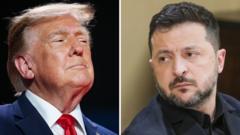
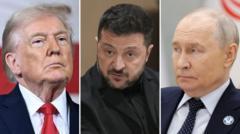
US President Donald Trump announced that Russia and Ukraine had agreed on an energy ceasefire, although Moscow has not officially commented on this statement. President Zelensky initially said he was unaware of the agreement but expressed Ukraine's readiness to halt strikes on Russian energy infrastructure if Russia reciprocates. Zelensky accused Russia of hitting Ukrainian energy facilities after Trump's announcement, causing power outages in Kyiv.
In a social media post, Zelensky said, "We look forward to clear details on the US dialogue with Russia." He added that Ukraine is prepared to stop strikes on Russian energy infrastructure if Russia does the same. However, sources in Kyiv noted that this announcement came as an unexpected surprise, as Ukraine was not fully consulted before the agreement was announced.
This agreement has sparked mixed reactions in the US and Europe. Many American politicians, including some Republicans, have expressed opposition to the agreement, citing US legislation that bans the importation of Russian oil. Canada and the EU expressed support for the agreement, while the UK also backed it. However, French Foreign Minister Catherine Colonna opposed the agreement, arguing it could give Russia an advantage in the war.
Sources in Kyiv indicated that Ukraine is prepared to halt strikes on Russian energy infrastructure if Russia reciprocates. However, they noted that this will only happen if Russia stops its strikes on Ukrainian energy infrastructure. They also stated that Ukraine will continue to strike Russian energy infrastructure until a clear and precise agreement is reached.
At the same time, attacks and fighting continued on the ground in the Russian-Ukrainian war, resulting in six deaths in attacks on two Ukrainian cities on Sunday. The attack on power facilities in Kyiv led to power outages, having negative impacts on civilian lives.
Analysis & context
Analysis & Context
Analytically, this decision reflects the political and economic tensions between the US and Ukraine on one side and Russia on the other. Trump aims to ease economic pressure on the US by lifting sanctions on Russian fuel imports, while Zelensky seeks to reduce financial support for Russia's war through continued strikes on Russian energy infrastructure. In a broader context, this crisis highlights the geopolitical tensions between major powers and their impact on the global economy. On the other hand, the deal faces criticism from many American and EU politicians due to concerns about undermining Western sanctions against Russia.