Sourced fact
The News
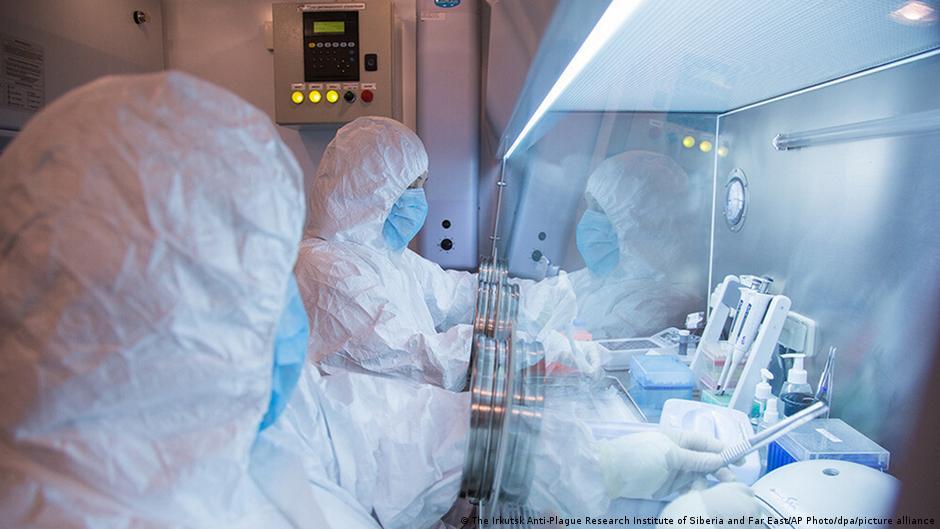
Russia denied claims of implementing plague control measures following the death of a laboratory worker at the Institute for Epidemiology in the Irkutsk region in eastern Russia. Russian authorities stated that the cause of death has yet to be confirmed, while the Russian health agency, Rosselkhoznadzor, clarified that circulating information is "untrue" and not from official sources. Irkutsk Governor Igor Kobzev noted that the investigation found no pathogens linked to the woman's work at the institute.
Plague can appear in several forms, including pneumonic plague, which is the most contagious and dangerous if not treated early. Some Russian reports suggest that the woman may have contracted the disease from a broken vial in the laboratory, while others suggest a possible link between her death and an incident at the institute. Authorities confirmed that the woman had contact with approximately 200 people, all of whom are under quarantine.
The World Health Organization (WHO) confirmed that it has not received any reports of illnesses in Irkutsk so far. The organization stated that test results have not found any evidence of serious infectious diseases among those who had contact with the deceased woman, and considered the risk of disease spread in the city to be "moderate to low."
President Donald Trump announced that he would speak with Russian President Vladimir Putin about the issue. Trump told reporters at the White House, "This disease could have been contained, but the germs became stronger and smarter. It’s like an army." In turn, U.S. Secretary of State Marco Rubio stated that the United States is closely monitoring the situation and expressed the need for Russia to share more information with the world.
Analysis & context
Analysis & Context
Analytically, this case raises global concerns about biological safety and public health. The Black Plague, a deadly disease, particularly raises fears due to its rapid spread capability.
In a broader context, the issue highlights the need for transparency and international cooperation in dealing with infectious diseases. The WHO plays a crucial role in coordinating and verifying information about such cases.
Politically, such events can lead to tensions between nations, especially if there are doubts about the transparency of information sharing. The United States, for example, demands that Russia be more transparent in sharing information about the case.