Sourced fact
The News
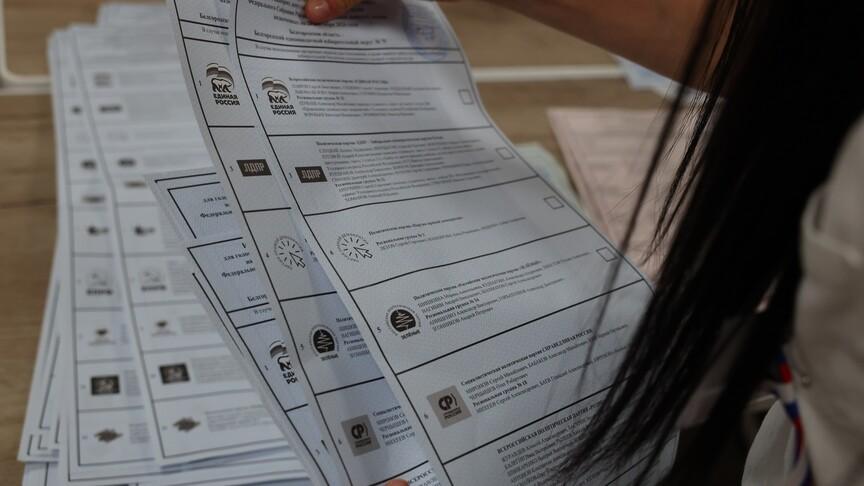
On Friday, the Russian Foreign Ministry issued a strong condemnation from Moscow against Ukraine, accusing it of attempting to disrupt the State Duma elections held between September 18 and 20 through financial, intelligence, and technical support from Western countries. Maria Zakharova, spokesperson for the Russian Foreign Ministry, stated that drone attacks resulted in the deaths of 41 people, including four children, and injured 338 others during the voting period, asserting that these attacks targeted civil infrastructure in Russia.
The ministry clarified that the attacks primarily targeted polling stations and buildings belonging to regional election commissions, where more than 70 polling districts and regional election commission buildings were destroyed. According to the Russian Foreign Ministry statement, Ukrainian forces also attacked schools, cultural centers, social facilities, and administrative buildings during the voting process.
In another context, Moscow criticized Ukraine's proposed 2027 budget, which anticipates a deficit of $37.3 billion, arguing that this deficit reflects a sharp increase in military spending as Kyiv plans to allocate approximately 43.8% of its GDP to defense. Russia called for documentation of its claims regarding reliance on Western support from the European Union, Group of Seven countries, the International Monetary Fund, and the World Bank to cover this financial shortfall.
Moscow also criticized the "Carpathian Eight" initiative meeting held in Ukraine's Ivano-Frankivsk region, which includes European countries and focuses on trade and security. While Ukraine did not respond to these Russian claims, Ella Pamfilova, head of Russia's Central Election Commission, stated that United Russia won 349 out of 450 seats in the lower house of the State Duma, emphasizing that Russian voters participated in the elections despite "strong external pressure" and demonstrated "resilience and unity."
Analysis & context
Analysis & Context
From an analytical perspective, this statement represents part of the ongoing information war between Moscow and Kyiv, where each side uses accusations against the other's interference in internal affairs to justify continued military operations or diplomatic pressure. The allegations regarding Western support influencing local elections in Russia aim to undermine the legitimacy of the electoral process approved by the Kremlin, while the economic rhetoric focuses on portraying Ukraine's budget as a direct financial threat stemming from reliance on the West.
In a broader context, these statements indicate the continuation of international tensions as major powers compete over ways to support allied regimes in conflict zones. Additionally, the focus on civilian infrastructure and polling centers reflects a shift in the nature of attacks toward targeting political and social symbols to reinforce Moscow's narrative of a "war against civilians."
The absence of an official response from Ukraine or the difficulty of independent verification of these claims due to ongoing war highlights that the region remains a battleground for mutual accusations without effective international mechanisms for immediate investigation. This ambiguity enhances the use of diplomatic language as a political weapon, where facts are framed based on conflicting narratives rather than documented evidence.
Finally, Russia's criticism of the "Carpathian Eight" initiative and Ukraine's budget points to Moscow's attempt to isolate Kyiv from its regional and international partners, which could affect the logistical and financial support strategies that Ukraine relies on to continue its military and economic resistance.