Sourced fact
The News
The Moroccan party of Authenticity and Modernity won the majority of seats in the recent parliamentary elections, but it will need to form new alliances after securing only 97 out of 395 seats in the House of Representatives. The Ministry of Interior announced the final results of this victory on Friday, while the constitution requires King Mohammed VI to appoint a prime minister from the winning party that did not cross the absolute majority threshold of 198 seats.
The party of Authenticity and Modernity, founded by Fouad Ali El Himma in 2008 and a friend of the king, is considered a counterweight to the moderate Islamic Justice and Development Party, which returned strongly this year to win 54 seats after its seats collapsed to 13 in the 2021 elections. Despite the strong return of the Justice and Development Party, the long-standing rivalry between it and the Authenticity and Modernity Party makes an alliance unlikely, pushing the latter to seek support from the Royal Independence Party and other parties to form a ruling majority.
The elections saw weak electoral participation at only 38 percent of registered voters, totaling 15.8 million people, which is the lowest percentage since King Mohammed VI ascended to the throne in 1999. Analysts attribute this decline to widespread non-participation following youth protests around jobs, healthcare, and education, as well as massive migration attempts to reach the Spanish enclave of Ceuta last July.
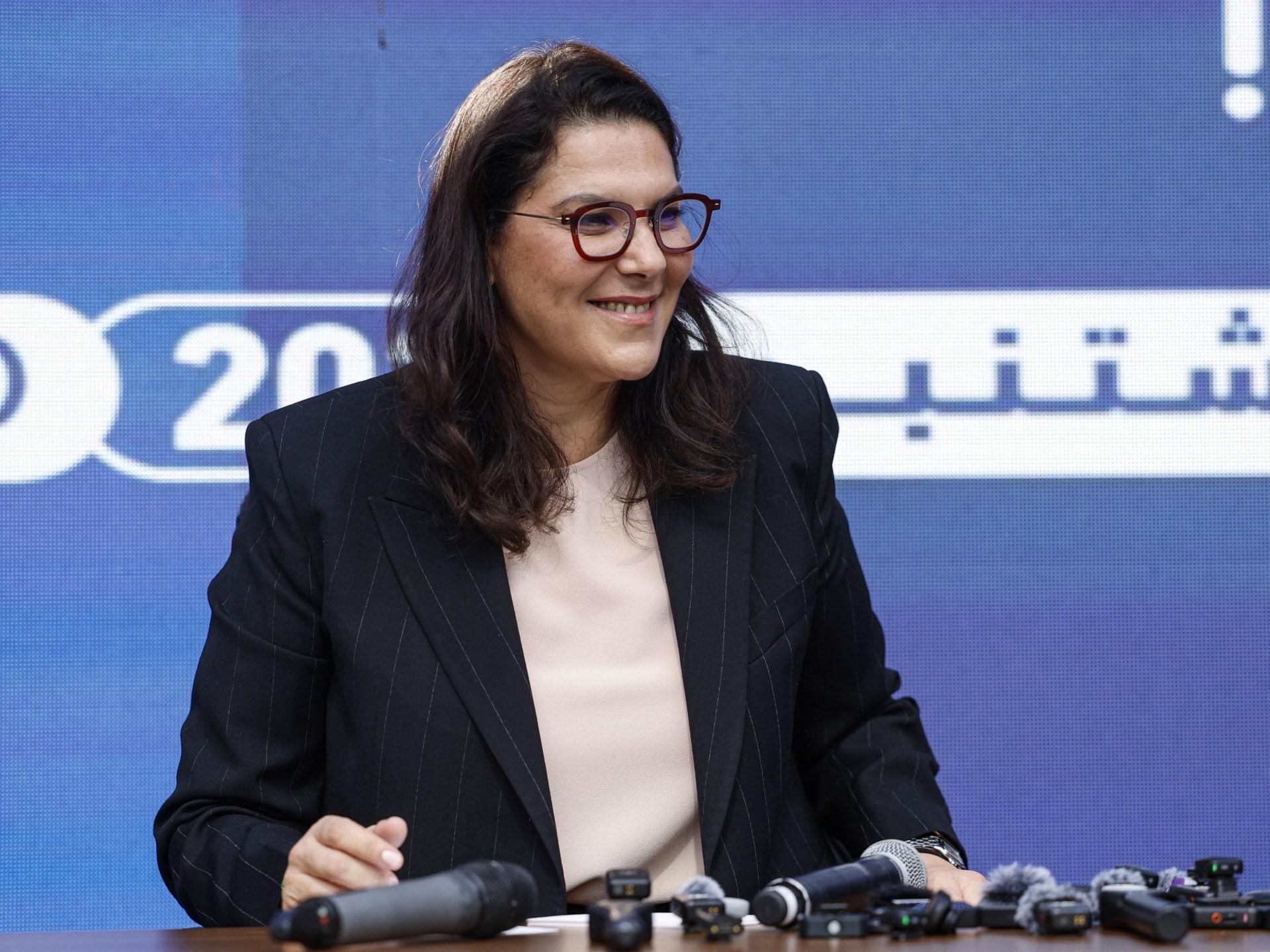
The list of potential candidates for the presidency of the government leads with Fouzi Lejia, president of the Moroccan Football Federation and finance minister, and Fatima Zahra Mansouri, current minister of urban planning, housing, and urban policy and mayor of Marrakech. If Mansouri is chosen, she would become the first woman to hold this position in Moroccan history, while the next government will lead investments worth billions of dollars in preparation for hosting the 2030 World Cup with Spain and Portugal.
Analysis & context
Analysis & Context
From an analytical perspective, these election results indicate a major political shift in the Moroccan landscape, where focus shifts from the moderate Islamic arena dominated by the Justice and Development Party toward forces more open and aligned with royal orientations. This shift reflects the monarchy's attempt to strengthen its role as a central force in managing domestic and foreign policy, especially with Morocco approaching hosting the World Cup in 2030.
In a broader context, the significant drop in voter turnout is attributed to the wave of youth protests that the country has recently witnessed, which focused on unemployment, healthcare, and education issues, as well as mass migration attempts toward Spain last July. These factors contributed to creating a state of political apathy among broad segments of Moroccan society, particularly the youth.
The new government is expected to face major challenges related to managing the massive investments Morocco is preparing to receive within its preparations for hosting the World Cup, in addition to addressing the growing demands of Moroccan streets around basic services and jobs. The success of the new government will depend heavily on its ability to build stable coalitions and overcome internal political differences.
As for the political future, appointing Fatima Zahra Mansouri or Fouzi Lejia as prime minister would be a historic moment if the Moroccan woman is chosen for this position for the first time in the country's history. This change may open new horizons for Moroccan women in the political arena and affect traditional power dynamics in the kingdom.