Sourced fact
The News
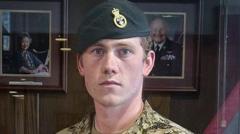
Private William Douglas Dal Bianco has died from his injuries, becoming the fifth soldier to succumb to wounds sustained during a wildfire that tore through a military training area last month. This blaze, which ignited during live-fire exercises and was reported by the BBC, resulted in four fatalities and dozens of injuries at Canada's Forces Base Wainwright in Alberta.
Canadian Prime Minister Mark Carney stated on X (formerly Twitter) that Canadians hold Private Dal Bianco's loved ones and all those offering condolences close to their hearts following this tragic disaster. He added that the fire spread with alarming speed across the base due to strong winds on October 17, a rapidity that startled those present, as flames could cover a kilometer in mere seconds.
The Canadian Armed Forces confirmed that 24 service members remain hospitalized while another 14 were discharged by Saturday, bringing the total number of injured personnel to 38. Military sources also revealed that one Canadian mechanized infantry squad was conducting live-fire training when the incident occurred.
Investigations have indicated that the fire likely originated from a manually fired mortar round within the base's artillery range. Firefighters struggled to contain the blaze due to its location in a hazardous area containing unexploded ordnance. Major General Jenny Carignan, Chief of the Defence Staff, expressed the nation's profound grief over the loss of Private Dal Bianco.
Defence Minister Dave MacEwen offered his deepest condolences to his family, friends, and colleagues, emphasizing that words cannot alleviate the pain of losing a loved one and that his thoughts are with all those affected by this tragedy. He stressed the commitment to support families and the Canadian military community during this extremely difficult time, honoring Private Dal Bianco's service, dedication, and ultimate sacrifice for the country.
Analysis & context
Analysis & Context
From an analytical perspective, this incident highlights the inherent risks associated with live-fire military exercises involving real ammunition, where technical errors or sudden weather conditions can escalate into major human disasters. The nature of the fire, which spread at an enormous rate due to strong winds, demonstrates how natural or environmental events can intersect with military operations to exacerbate situations and make containment significantly more difficult.
In a broader context, this incident presents a significant challenge for Canadian military leadership and defence officials facing increasing pressure to improve safety protocols at military installations, particularly those containing hazardous zones that may store unused ordnance. Furthermore, the deaths of soldiers during peacetime raise questions about the preparedness of military institutions to handle unexpected emergencies and how to protect lives under such extraordinary circumstances.
The response from Canadian officials, ranging from the Prime Minister to the Defence Minister and the Chief of the Defence Staff, underscores the importance of social and psychological support for military communities and victims' families during crises. Additionally, the ongoing investigation into the causes of the fire and the study of how to prevent such tragedies reflect the Canadian government's commitment to improving military safety standards and ensuring an effective response to major incidents.