Sourced fact
The News
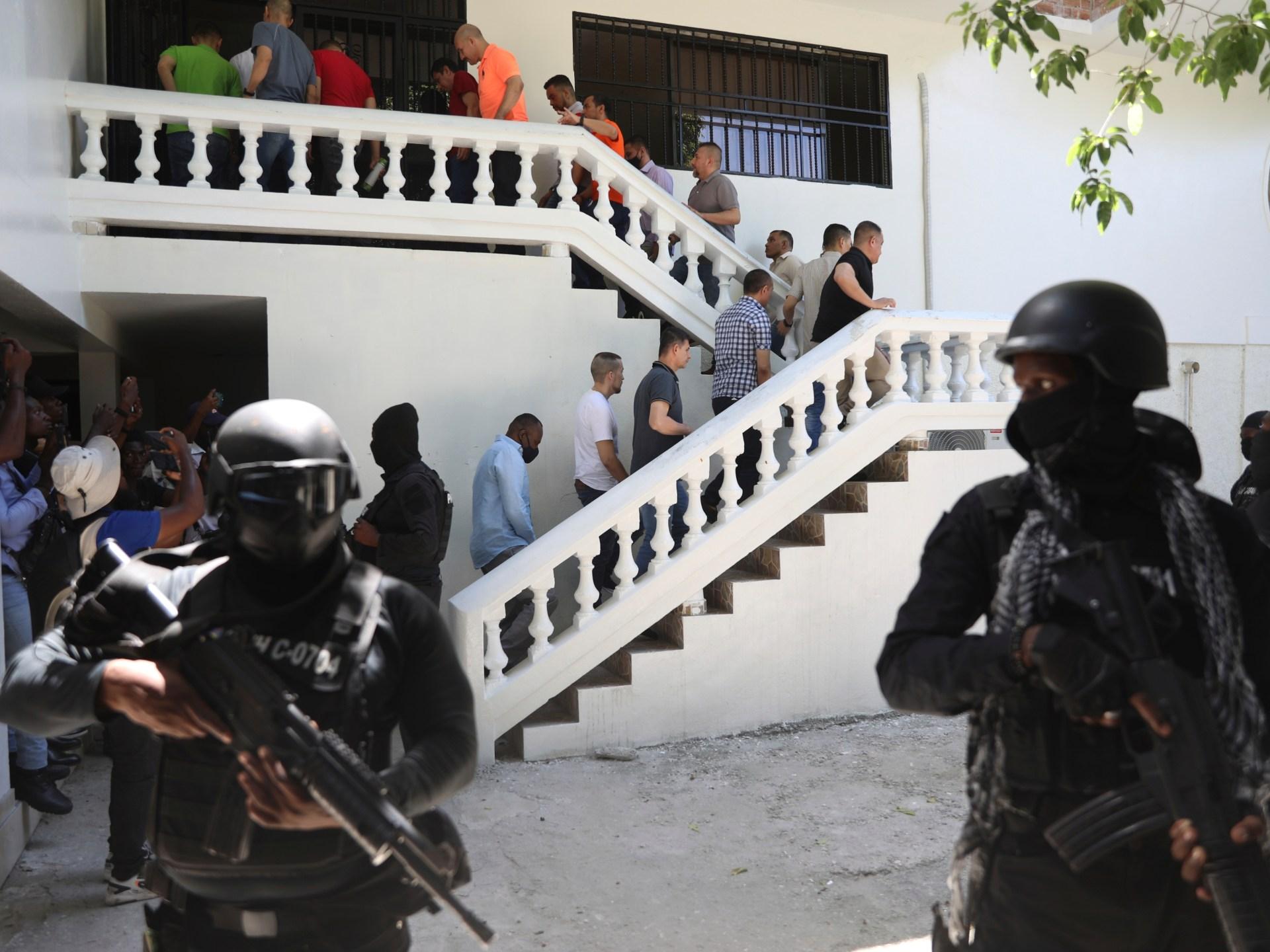
On Sunday, a military aircraft transported eighteen suspects facing federal charges for the 2021 assassination of Haitian President Jovenel Moïse from Port-au-Prince to Florida, USA, for trial. This move follows the success of federal prosecutors in securing convictions in May against gang leaders and conspirators involved in the plot to kill the former leader. U.S. Attorney General Jason Aguirre Quinones stated that today marks a new phase in their pursuit of accountability, affirming they will follow the evidence wherever it leads, regardless of how much time has passed since the crime.
Quinones said via social media that they are still pursuing defendants in American courts five years after the assassination, noting that the investigation is under his supervision as a special appointee of President Donald Trump. The Federal Bureau of Investigation, led by Robert Skiles, confirmed its continued commitment to ensuring accountability for all individuals who sought profit from the assassination of a head of state through multiple arrests made on Sunday in the United States and abroad.
The remaining suspects in Haiti include more than ten Colombian soldiers and a former member of the Haitian government awaiting trial, while jurisdiction was established in Florida because the plot was engineered and funded by someone from the southern part of the U.S. state. Human rights activist Pierre Espérance stated that transferring the suspects to the United States represents a "scandal" for the Haitian judicial system and called for its reform to handle such complex cases within the country in the future.
Moïse, 53 years old, was killed in July 2021 at his home while his wife was severely injured, leading to a deep political vacuum that contributed to the expansion of armed gang influence controlling nearly 90 percent of the capital. The United Nations documented during 2025 that over 8,100 people were killed by gangs and forced about one and a half million people to displace due to escalating security instability.
Four men were convicted in May before a jury in Florida, while five others pleaded guilty and face life imprisonment, and no national elections have been held in Haiti since the president's assassination. The reason fair trial within Haiti is impossible stems from the collapse of security and entrenched corruption resulting from clan-based violence and political chaos that severely paralyzed the judicial system.
Analysis & context
Analysis & Context
From an analytical perspective, the transfer of suspects to the United States highlights an extraordinary measure reflecting the collapse of the Haitian judiciary and its inability to prosecute crimes of this magnitude and severity. This collapse has contributed to eroding trust in public institutions and exacerbating security chaos that led to the displacement of one and a half million people according to the UN.
In a broader context, the Moïse assassination case is part of a deeper crisis facing Haiti for decades, where political and economic factors intertwine with the rise of armed gangs controlling vast parts of the capital. Authorities documented over 8,100 gang-related murders in 2025 alone, underscoring the severity of violence afflicting this Caribbean nation.
Establishing jurisdiction in U.S. state of Florida also reflects a complex legal strategy aimed at ensuring a fair trial away from corruption and security disruptions that paralyzed the local judicial system. Human rights activist Pierre Espérance described transferring suspects abroad as an "insult to the Haitian justice system," calling for radical reform allowing such cases to be tried within the country in the future.
Finally, no national elections have been held in Haiti since President Moïse's assassination, deepening the constitutional vacuum and preventing the restoration of democratic legitimacy through traditional channels.