Sourced fact
The News
Global air travel has undergone a radical transformation since the terrorist attacks that occurred nearly a quarter of a century ago. The September 11 incident led to the imposition of strict security measures on airspace and passenger inspection operations. The event resulted in the deaths of approximately 3,000 people after four planes crashed: two into skyscrapers in Manhattan, one into the Pentagon, and the fourth in Pennsylvania.
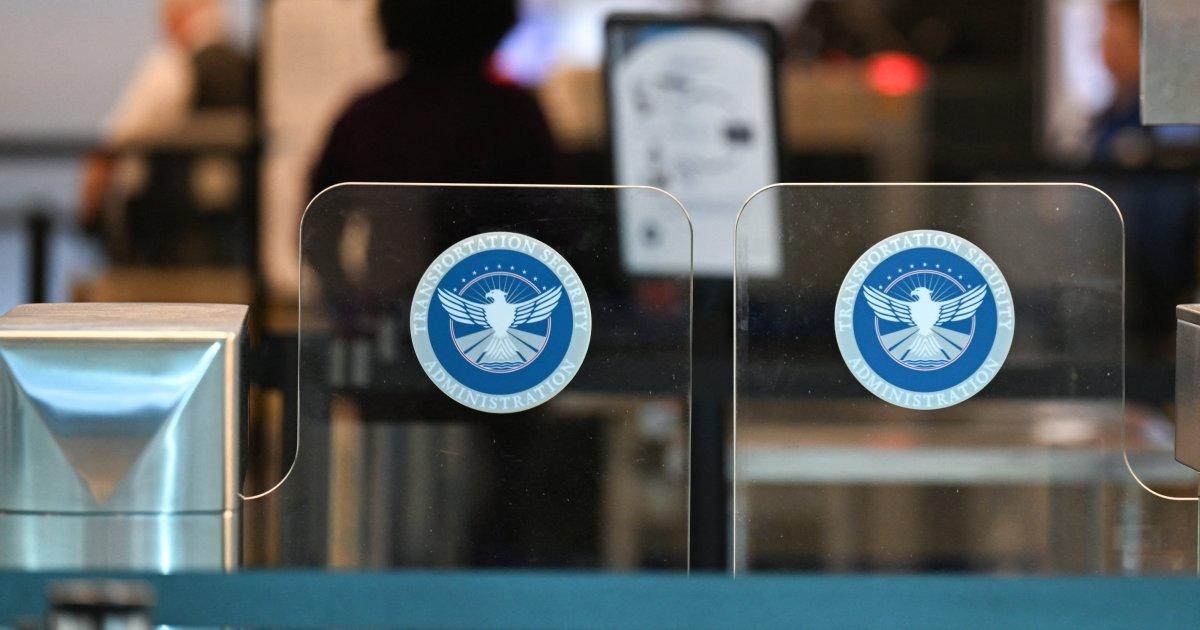
According to a report by Al Jazeera Net, President George W. Bush signed a new security law in November 2001 to establish the Transportation Security Administration (TSA) and mandate comprehensive screening of passengers' luggage and identities. Cockpit doors were also reinforced and made locked from the inside, while pilots were protected by armed marshals following an expansion of the Federal Air Marshal Service.
Travel regulations saw significant changes, such as banning knives and cutting tools in carry-on bags and requiring passengers to remove their shoes for screening after a shoe-bombing attempt in 2001. In 2006, liquids and gels were prohibited from carry-on luggage following the discovery of a British plot to use liquid bombs; this rule was later relaxed to allow liquids up to 100 ml inside transparent bags.
Airlines also began using full-body scanners and facial recognition systems after a 2009 bombing attempt by an individual who tried to detonate a bomb hidden in underwear. All these measures led to increased wait times at airports and a decline in passenger numbers by as much as 30% immediately after the attacks, but numbers gradually recovered by 2005, surpassing pre-incident levels.
The report noted that these security procedures made inspections more rigorous and sometimes led to discrimination against travelers from certain backgrounds during the early years following the incident. Additionally, a new electronic system for verifying traveler identities was implemented in 2009 to enforce background checks before travel to the United States.
Analysis & context
Analysis & Context
From an analytical perspective, the Air Transportation Security Law of 2001 represents a historic turning point that shifted aviation philosophy from freedom of movement to the highest priority of national security. This shift led to longer wait times at airports and changed traveler behavior. The rate of passenger processing at checkpoints dropped significantly after the new protocols were implemented compared to the pre-attack period, affecting the efficiency of the global air transport system.
In a broader context, these changes were not limited to the United States alone; countries such as the United Kingdom, Canada, and the European Union adopted similar standards to enhance aviation security. This included strengthening cockpit doors in airlines like Virgin Atlantic and imposing strict restrictions on liquids following a liquid bomb attempt in London.
Studies showed that passenger numbers dropped sharply immediately after the attacks but gradually returned as the public adapted to the new procedures, illustrating how major security events can shape long-term social and economic behaviors in the global aviation sector.