Sourced fact
The News
In a surprising move, Russian President Vladimir Putin expressed his desire to achieve "eternal peace" for Ukraine during talks with American diplomats in Moscow. Despite this statement that might suggest openness, the Kremlin continues to reject the idea of a comprehensive ceasefire and insists on new conditions to restructure European security in favor of Russia. The report indicates that these demands represent the most potential change to European security arrangements since the end of the Cold War, as the Kremlin is once again putting forward proposals previously rejected by the West.
A Russian diplomat explains that Moscow is now seeking to force the West to listen to its concerns regarding NATO expansion, citing a 2021 proposal that called for guarantees against Ukraine and Georgia joining the alliance. The Western leadership views these demands as an unacceptable final warning, while the Kremlin sees the return of discussions on European security as a strategic victory despite Western governments' rejection of these conditions. Yuri Shakov, Putin's foreign policy aide, also indicated that Russia is studying adding new considerations to its demands in light of Western efforts to inflict a strategic defeat on Russia.
Regarding the negotiations, Russian President Vladimir Putin, U.S. President Joe Biden, and their team participated in a round of talks in Abu Dhabi with a Ukrainian delegation. After the talks, an American diplomat reported that Putin agreed in principle to include European representatives in future peace negotiation rounds, but the Kremlin confirmed on Friday that no final decision has been made yet on this matter. Kremlin spokesman Dmitry Peskov stated that making the decision depends on understanding the true intentions of European countries and their readiness to facilitate the peace process.
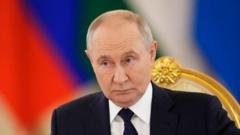
Sources indicate that Putin appeared unyielding and serious during the meetings, aware that Americans are offering him deals and that European and Norwegian and Finnish leaders have begun seeking contact with him. Some Russian media hope that Putin will soon meet with Donald Trump and Xi Jinping in Shanghai as part of what he described as "the big three" to reorder affairs, despite the significant losses suffered by the Russian army and immense pressure on the Russian economy.
Analysis & context
Analysis & Context
Analytically, the Kremlin's return to its demands for restructuring European security represents a fundamental strategic shift in Russian policy since the end of the Cold War. This move aims to transform the discussion about Ukraine from merely a regional conflict into an issue concerning the arrangement of major global powers, thereby placing Europe on the defensive before Moscow's demands that see its security linked to changing the continental security system.
In a broader context, Western leadership faces a significant challenge in dealing with these Russian demands, which EU High Representative Kaja Kallas described as a "trap" designed to divert attention from the priority of stopping the fighting. European states insist that the sequence of talks must begin by securing a ceasefire before reaching a peace agreement, before moving on to any discussion about Europe's broader security architecture.
Historically, Moscow's proposals from 2021 were ignored in the West before the full-scale invasion of Ukraine, but their resurfacing now reflects a shift in the balance of power or at least Russia's desire to impose its agenda. This timing comes after a series of Western attempts to negotiate with Moscow through American intermediaries such as Steve Witkoff and Jared Kushner, indicating that the West is beginning to consider diplomatic options that may include accepting some Russian conditions.
Finally, the continuation of the war despite the huge human and economic losses suffered by the Russian side reflects Putin's resilience in his uncompromising stance. Analysts believe this position stems from Putin's view that the West remains hesitant to take decisive action, while military and economic pressures on Russia continue without forcing the Kremlin to change its policy or negotiate under more flexible terms.