Sourced fact
The News
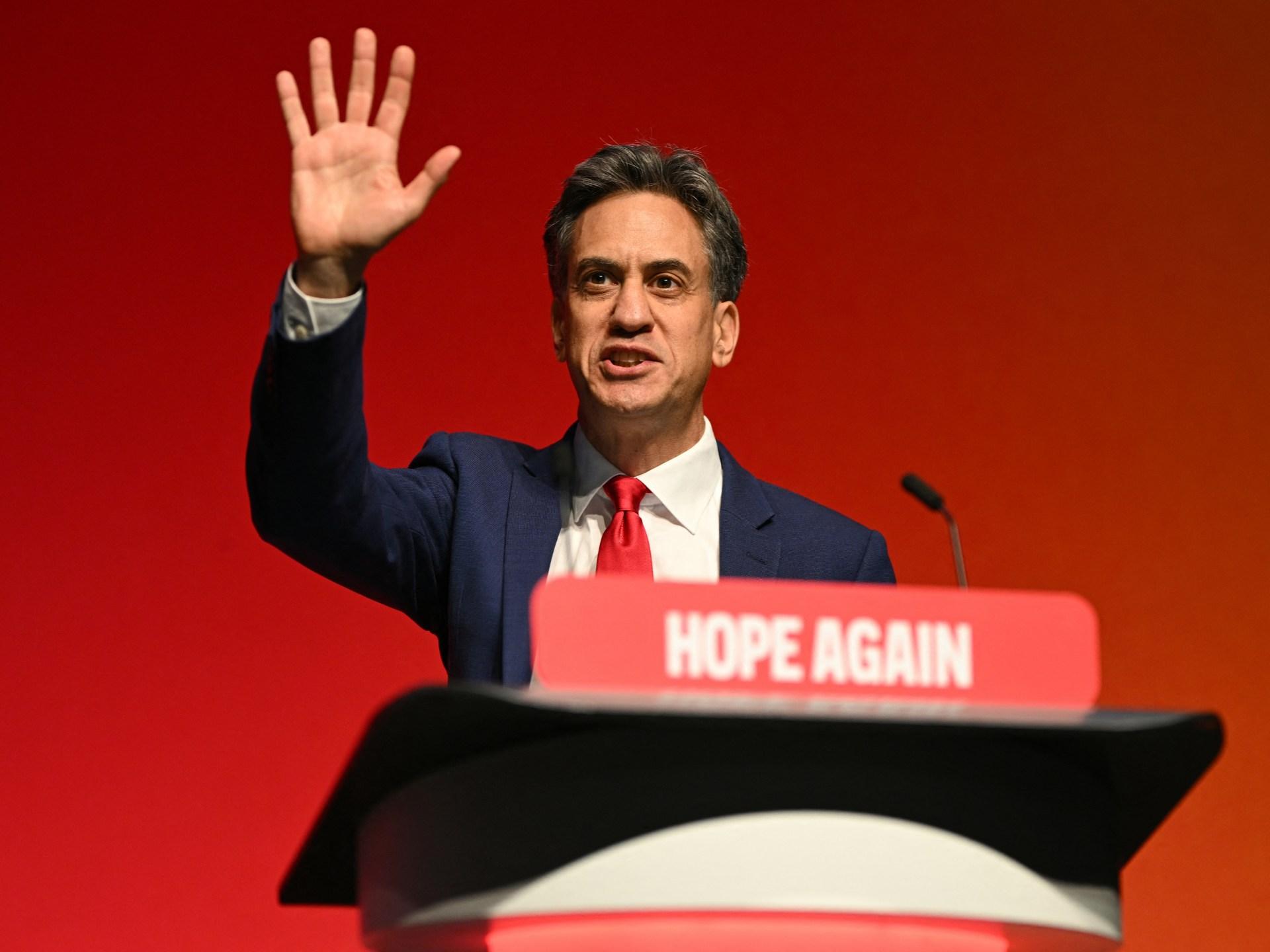
UK Foreign Secretary Ed Miliband announced a tougher stance towards Israel in the occupied Palestinian territories, including Gaza and the West Bank. During the Labour Party conference, Miliband described Israeli government actions in the Palestinian territories as a "shame on the conscience of the world." He announced new measures that include a ban on importing goods from illegal settlements and impeding supply lines for British investments and services in these settlements.
Miliband noted that Prime Minister Andy Burnham's government "reset its position" on the Palestinian issue. However, the government faced criticism for maintaining relations with Israel and its handling of pro-Palestinian demonstrators. Many demonstrators were arrested outside the conference in Liverpool in support of the banned Palestine Action organization.
Miliband, who is Jewish, said he opposes any attempts to obstruct the two-state solution, adding that the Labour government would be against any steps that threaten the two-state solution. He also pointed out that the E1 settlement project east of Jerusalem, approved by Israel, threatens to divide the West Bank. Miliband stated that his government feels a "deep shame" about what is happening in Palestine under the watch of the international community.
In October, the UK government announced a ban on importing all goods produced from illegal settlements in the West Bank, its largest decision since officially recognizing the State of Palestine last year. Burnham emphasized that this ban reflects Britain's commitment to justice against injustice.
Analysis & context
Analysis & Context
Analytically, the UK's new position reflects a shift in British foreign policy towards the Palestinian issue. This change follows increased international pressure on Israel due to the continued expansion of Israeli settlements in the West Bank. This stance also reflects internal tensions in the UK regarding how to handle the Palestinian issue. In a broader context, this decision aims to support the two-state solution and enhance Palestinian rights. However, this decision may face practical and political challenges, as Britain could encounter resistance from Israel and the United States in this regard.