Sourced fact
The News
On Monday, Pakistan conducted aerial strikes in northeastern Afghanistan targeting what the Pakistani Ministry of Information described as training camps for suicide bombers. This marks the first such operation since June and follows an attack on police forces in Khyber Pakhtunkhwa (Kohat). The ministry stated that the airstrikes precisely destroyed three targets, killing 28 extremists and burning large quantities of weapons and ammunition.
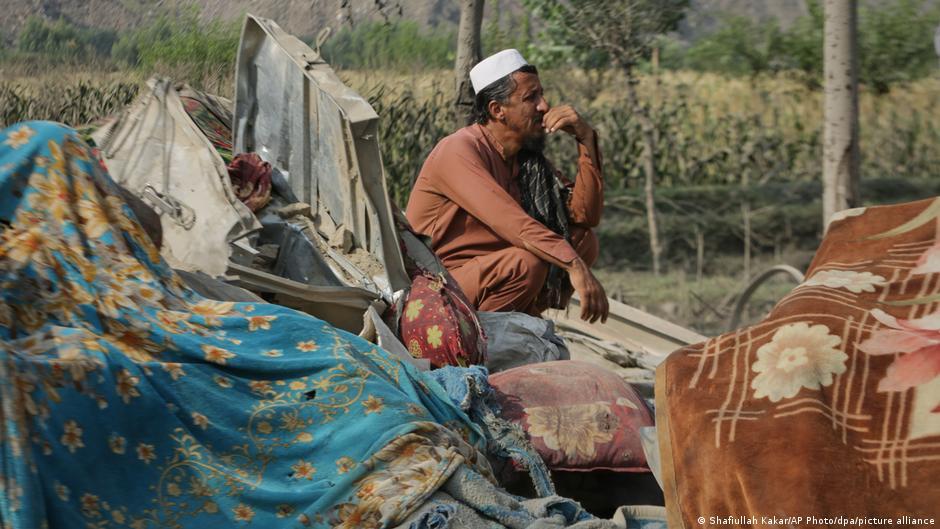
In contrast, the Afghan government led by the Taliban denied these claims, reporting that only three people were killed due to bombardment of civilian homes in Khost and Paktika provinces. Hamdullah Fayyaz, a spokesperson for the Afghan government, stated that one airstrike completely hit a house in the Nurghal area, killing three individuals and injuring four others from the family, while another site destroyed a shop and an uninhabited building in Paktika.
Relations between the two countries have been strained since the Taliban returned to power in 2021 following a series of retaliatory attacks that claimed hundreds of lives. Pakistan views Afghanistan as hosting extremist groups such as the Pakistani Tehrik-e-Taliban (TTP), which carry out attacks within its territory, while Kabul argues that this internal conflict does not justify aerial strikes.
Sources indicated that details of the strikes and casualty figures have not been immediately verified by either party, further intensifying tensions between the unstable neighbors. This escalation is considered dangerous after a period of relative calm lasting three months, during which Pakistan declared an open war with Afghanistan last month due to increasing attacks on civilians and security forces.
Analysis & context
Analysis & Context
From an analytical perspective, this incident reflects the continued severe tension between Afghanistan and Pakistan since the Taliban returned to power in 2021. Such aerial strikes threaten to dismantle the relative calm that persisted for three months after the worst military confrontations the region witnessed in February, when Pakistan declared an open war with Afghanistan.
In a broader context, Islamabad consistently accuses Afghanistan of harboring armed groups conducting attacks within Pakistani territory, most notably the Pakistani Tehrik-e-Taliban and Baloch separatist factions. In response, the Taliban rejects these accusations, considering terrorism in Pakistan as purely an internal issue unrelated to the Afghan government.
This escalation follows a suicide attack and a 20-hour armed confrontation between fighters and police forces at the headquarters of Khost provincial police command, where at least 31 people were killed, including 16 police officers. The Pakistani Tehrik-e-Taliban-linked Haqqani Network acknowledged responsibility for the attack that occurred immediately before the aerial strikes.
Precise details regarding the strikes and casualty numbers remain unconfirmed to date, as immediate verification of either party's claims concerning the nature of targeted objectives and resulting human consequences is not yet possible.