Sourced fact
The News
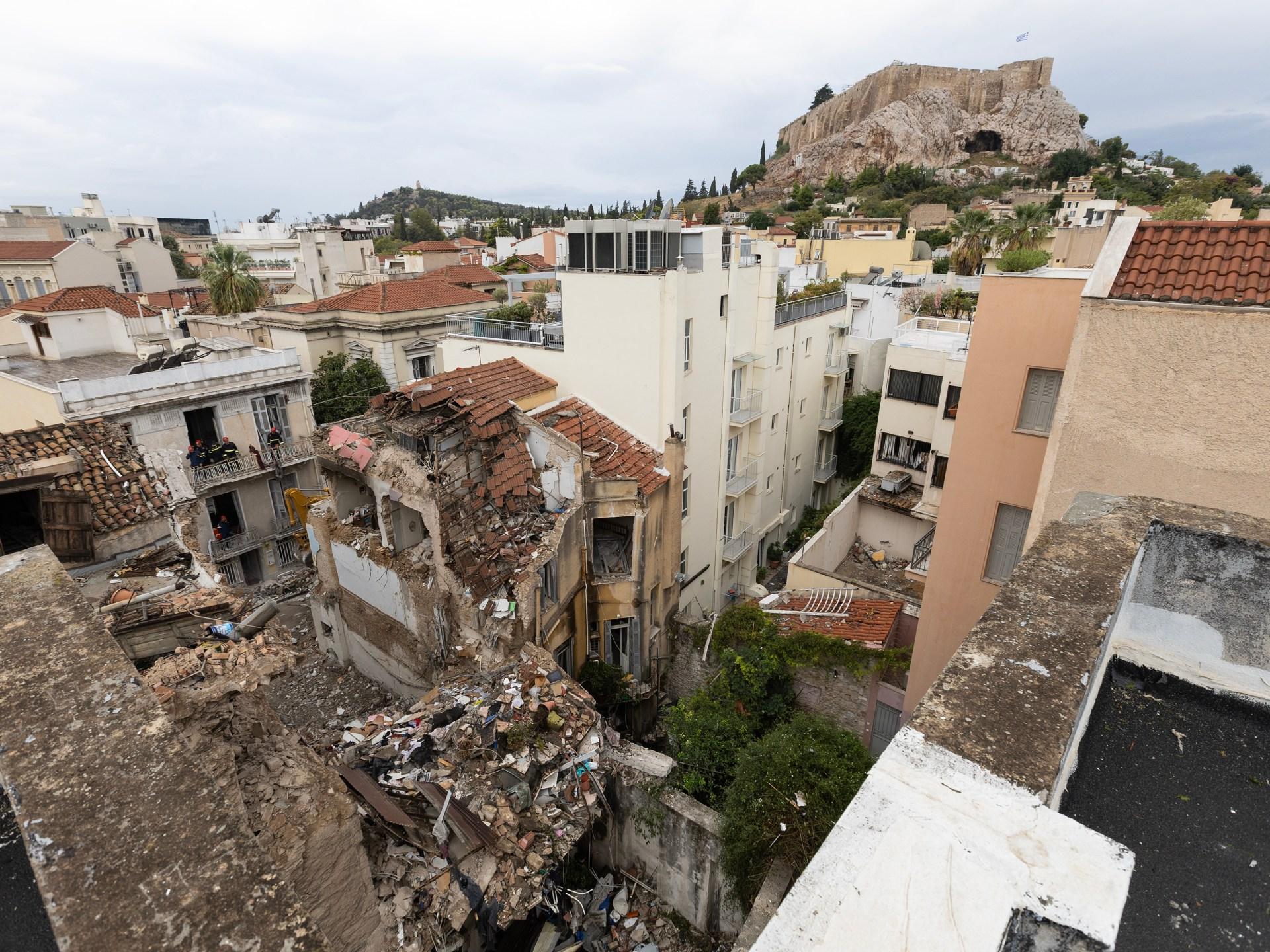
Local authorities in Greece reported that rescue teams have recovered the bodies of six people who died after a building collapsed following a powerful explosion in the center of the capital, Athens. Four of the victims have been identified as American citizens, while the other two were a couple living on the second floor of the collapsed building.
Athens Mayor Harris Doukas stated that the explosion, which occurred on Friday in the tourist area of Plaka, is believed to have resulted from a major gas leak that caused the small two-story building to collapse. Doukas added that the damage extended to the entire street and the rear alleyway, describing the incident as an "unbelievable tragedy" and noting the necessity to demolish two adjacent buildings that were severely damaged.
Reports indicate that four of the American victims were scheduled to leave their accommodation around 11:00 AM (08:00 GMT) but were unable to board their return flight to the United States before the explosion occurred. The fire department also reported injuries to individuals in a building adjacent to the collapsed structure.
In the context of the investigation, the daily newspaper Kathimerini reported that residents of Plaka had warned the municipality and utility companies about risks related to short circuits or gas leaks over the past year. A Greek police spokesperson on ERT channel confirmed that residents had reported smelling gas for several weeks prior to the incident, although the nature and source of the substance have not yet been determined.
Analysis & context
Analysis & Context
From an analytical perspective, this incident highlights the inherent risks in densely populated historic areas such as Plaka, which is situated at the foot of the Acropolis, where disaster probability increases due to the accumulation of aging infrastructure and interconnected utility networks.
In a broader context, the accident reflects growing tensions between global tourism demands and building safety in ancient Greek cities, especially with the rising number of foreign tourists who may be directly affected by any natural or man-made disaster.
Additionally, residents' reports of prior warnings that were not fully addressed raise questions about the effectiveness of emergency systems and oversight of gas and electricity networks in urban areas across Greece.
This explosion once again underscores the challenges Greece faces in managing disasters in highly populated and historic regions, where responding to such crises requires precise coordination between local authorities and infrastructure regulators.