Sourced fact
The News
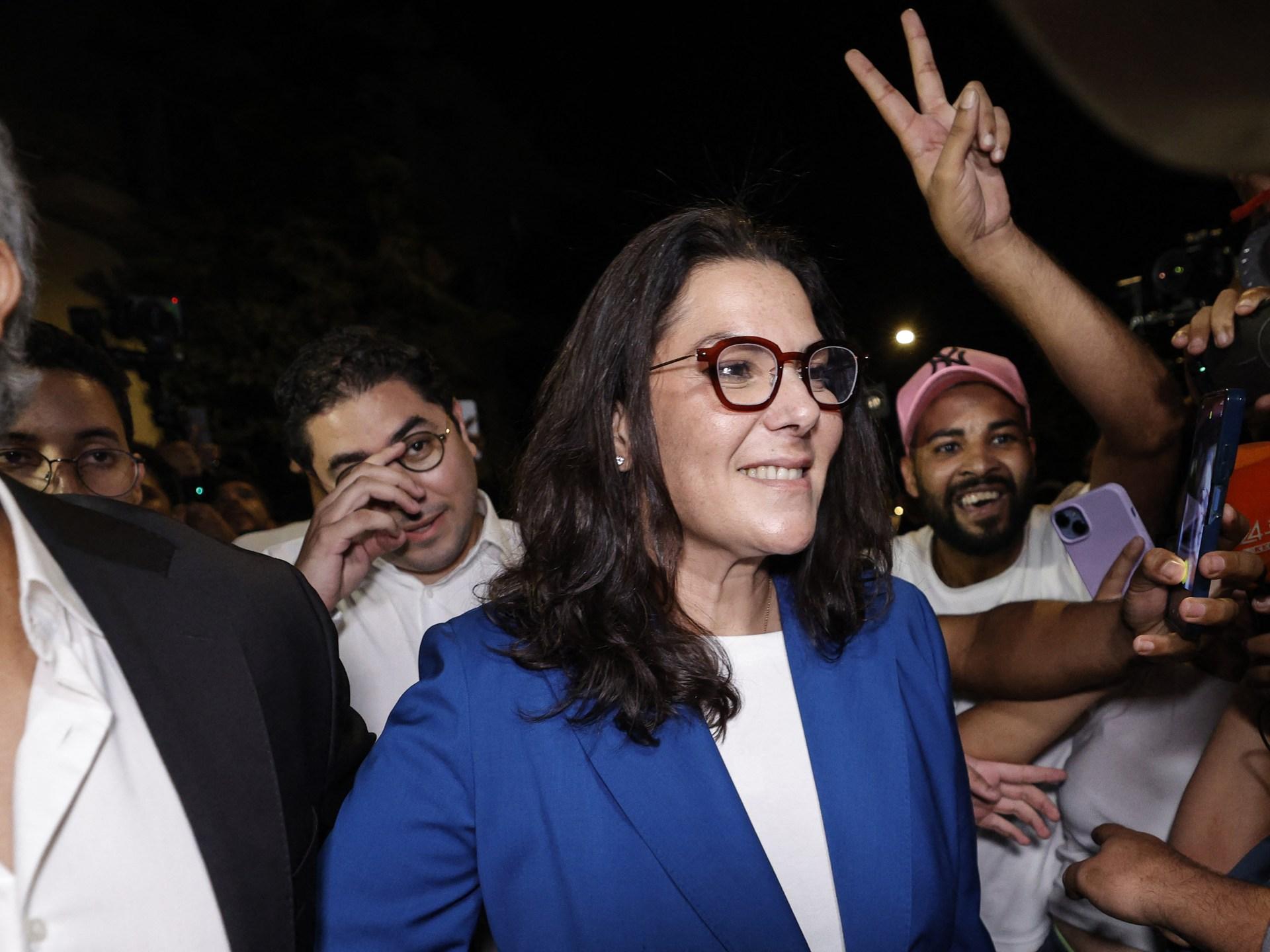
The parliamentary elections in Morocco have triggered a major reshaping of the balance among key political forces, amidst a sharp decline in voter participation compared to previous years. Preliminary results show that the Party of Justice and Development (PJD) has made a surprising comeback, securing 54 seats after previously collapsing and falling outside the top four parties. The Party of Authenticity and Modernity emerged as the largest party with 97 seats, surpassing the coalition of parties from the previous government, whose seat count dropped significantly. Reports indicate that the voting rate reached only about 38%, a figure lower than those recorded in 2016 and 2021, reflecting a general decline in electoral enthusiasm.
Despite its significant drop from 102 seats to 66, the National Rally of Independents (RNI) remains one of the major forces in parliament, holding second place with just one seat behind the Party of Authenticity and Modernity. The remaining seats were distributed among several other parties, adding a new layer of complexity to forming the next government.
The Moroccan Constitution grants the King the right to appoint the Prime Minister from the party that secures the most votes in the House of Representatives. This places the Party of Authenticity and Modernity at the starting line of this process, although it does not possess an absolute majority requiring 198 out of 395 seats. The three parties that formed the previous government could renew their alliance with some adjustments to form a parliamentary majority, but tensions that emerged during the election campaign remain a significant factor in future coalition negotiations.
The Party of Authenticity and Modernity and the National Rally of Independents exchanged accusations during the election campaign despite their shared rule for five years. Officials from the Party of Authenticity and Modernity clarified that they do not see themselves as tied to forming a new government led by the National Rally of Independents if it wins the elections. Each side accused the other of pre-election recruitment attempts, making these tensions part of the backdrop for negotiations on forming the next government.
The return of the Justice and Development Party as one of the most important changes in the new parliament stands out, especially since its current leader, Abdelilah Benkirane, views the entry of a figure like Fouzi Lekjaa into the Party of Authenticity and Modernity as an attempt to contain his political influence, though this information has not been definitively confirmed. One of the party's leaders described their relationship with the sports and political personality Fouzi Lekjaa as a good professional and human relationship that transcends partisan differences between both sides.
Analysts attribute the low participation in the elections to multiple causes, including dissatisfaction with traditional parties, economic anxiety, and doubts about the effectiveness of the electoral process, with turnout varying significantly across different geographic regions. Two main questions remain pending: which party will be able to gather a majority to form the next government, and what are the real reasons that drove most registered voters to leave the ballot boxes.
Analysis & context
Analysis & Context
From an analytical perspective, this new distribution represents a major challenge for the winning party, which does not have an absolute majority on its own; it needs a coalition to form a parliamentary majority exceeding 198 out of 395 seats. Although the Party of Authenticity and Modernity, the Movement of Independents, and the Istiqlal Party together hold 228 seats—enough for a majority—the tensions that emerged during the election campaign among these three parties could hinder forming a stable government.
In the broader context, the strong return of the Justice and Development Party to parliament underscores the importance of its political role in Morocco's changing landscape, especially since the historical relationship between it and the Party of Authenticity and Modernity remains complex and filled with suspicions about one party trying to limit the rise of the other. Additionally, the engagement of a prominent figure like Fouzi Lekjaa in party politics after leaving his sports position adds a new dimension to political equations and sparks debate about its impact on the future of governmental alliances.
As for the issue of low electoral turnout, it is considered an indicator of growing social and political dissatisfaction among broad segments of Moroccan society, especially youth who went into the streets in previous protests demanding improved economic and social conditions. This decline in participation opens a wide door to questions about the ability of traditional parties to regain voters' trust or for new political forces to emerge that can attract these marginalized segments.