Sourced fact
The News
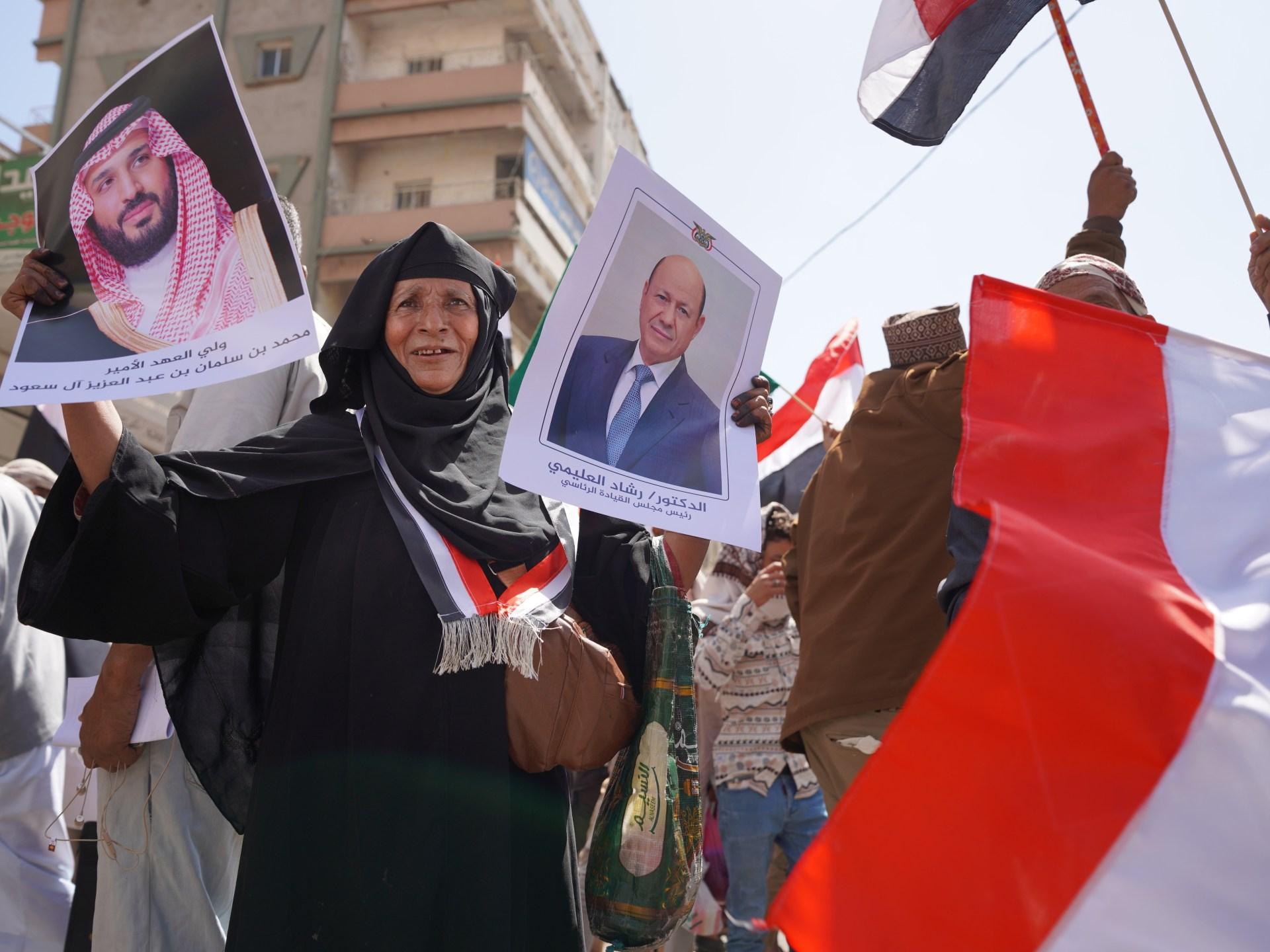
Raed Al-Alimi, Chairman of the Yemeni Presidential Council, called for a general mobilization of Yemeni society as part of a long-term offensive against the Houthis, offering immediate amnesty to Houthi fighters who defect to his side. This move comes amid dramatic Houthi advances in western Yemen last September, during which they seized the city of Mawaka and Ma'in Island, paving the way for their control of the Bab el-Mandeb Strait—one of the world's most critical shipping lanes.
Al-Alimi clarified that the goal of this mobilization is to regain control of the capital Sana'a, which fell in 2014, and restore government sovereignty over all Yemeni territories, emphasizing the necessity of restoring state institutions. He noted that the current situation places the government at its most vulnerable stage, having been expelled from Mawaka and Ma'in Island, thereby threatening the legitimacy of the internationally recognized government and pushing its Saudi ally deeper into the conflict.
Analysts stated that the amnesty offer may be a governmental attempt to signal an unwillingness to seek revenge against fighters who might drag the conflict into sectarian warfare, especially as Yemen remains a tribal society, as researcher Barhan Shaban explained. However, experts indicate that these fighters joining the government seems unlikely in the near term unless the Houthis begin losing significant territory.
On his part, Abdullah Abdulkader Al-Alimi Ba'Asir, Deputy Chairman of the Presidential Council, told the UN General Assembly that the Houthis' use of militias for navigation security as a blackmail tool threatens not only Yemen but holds the global economy hostage. He called on every economy relying on safe supply chains and energy security to assume responsibility for protecting the strait, while Saudi Arabia announced the formation of a Red Sea naval alliance, though details regarding fleet size and scope remain unclear.
In the same context, Saudi Arabia faced a direct threat: Riyadh announced yesterday that it intercepted six ballistic missiles heading toward Yanbu and Taif in the west, endangering the kingdom's ability to export oil via the Red Sea. Saudi Arabia, along with Turkey and Pakistan, declared an emergency meeting of military chiefs to address the threat after signing a mutual defense agreement in Mecca, though the level of specific intervention remains uncertain.
The Houthis also attempted to isolate Saudi Arabia from its allies by sending a message to the European Union committing not to target ships linked to the EU, while insisting on keeping Bab el-Mandeb open but restricting attacks solely to Saudi vessels.
Analysis & context
Analysis & Context
From an analytical perspective, this declaration represents an attempt by the Yemeni government to bolster its military and political legitimacy amid its historically weakest position. The Houthis' rapid advances have forced the government to make tactical concessions such as amnesty offers to dismantle internal enemy ranks, while seeking general mobilization to fill gaps on the front lines suffering from severe shortages of human resources and equipment.
In a broader context, the Bab el-Mandeb Strait emerges as a geopolitically vital element connecting the Red Sea with the Indian Ocean and serving as a lifeline for the global economy. Houthi control over it threatens the security of Saudi Arabia and the UAE and affects global supply chains, prompting regional and international powers to reassess their strategies in the region amid rising tensions with Iran and the Houthis.
The amnesty offer also reflects the government's understanding of Yemen's tribal societal nature, which may respond to reconciliation policies if parties perceive that the war could escalate into a full-scale civil war. However, the effectiveness of this offer largely depends on the government's ability to achieve tangible battlefield victories that make joining it an attractive option for Houthi fighters.
Finally, the involvement of countries such as Turkey and Pakistan in the Yemen file raises questions about the future of the conflict, where the presence of foreign troops on Yemeni soil could fundamentally alter the dynamics of the war. The Arab Coalition's ability to coordinate with its partners under Saudi leadership remains the decisive factor in determining the fate of this new move from Sana'a.