Sourced fact
The News
The United Nations Children's Fund (UNICEF) has announced that the ongoing conflict in Yemen is disrupting access to health facilities, leading to a sharp rise in cases of severe acute malnutrition among children. Akheel Ayyar, UNICEF's representative to Qatar, told journalists in Geneva on Friday that hunger and malnutrition are afflicting an increasing number of children as violence escalates across the country.
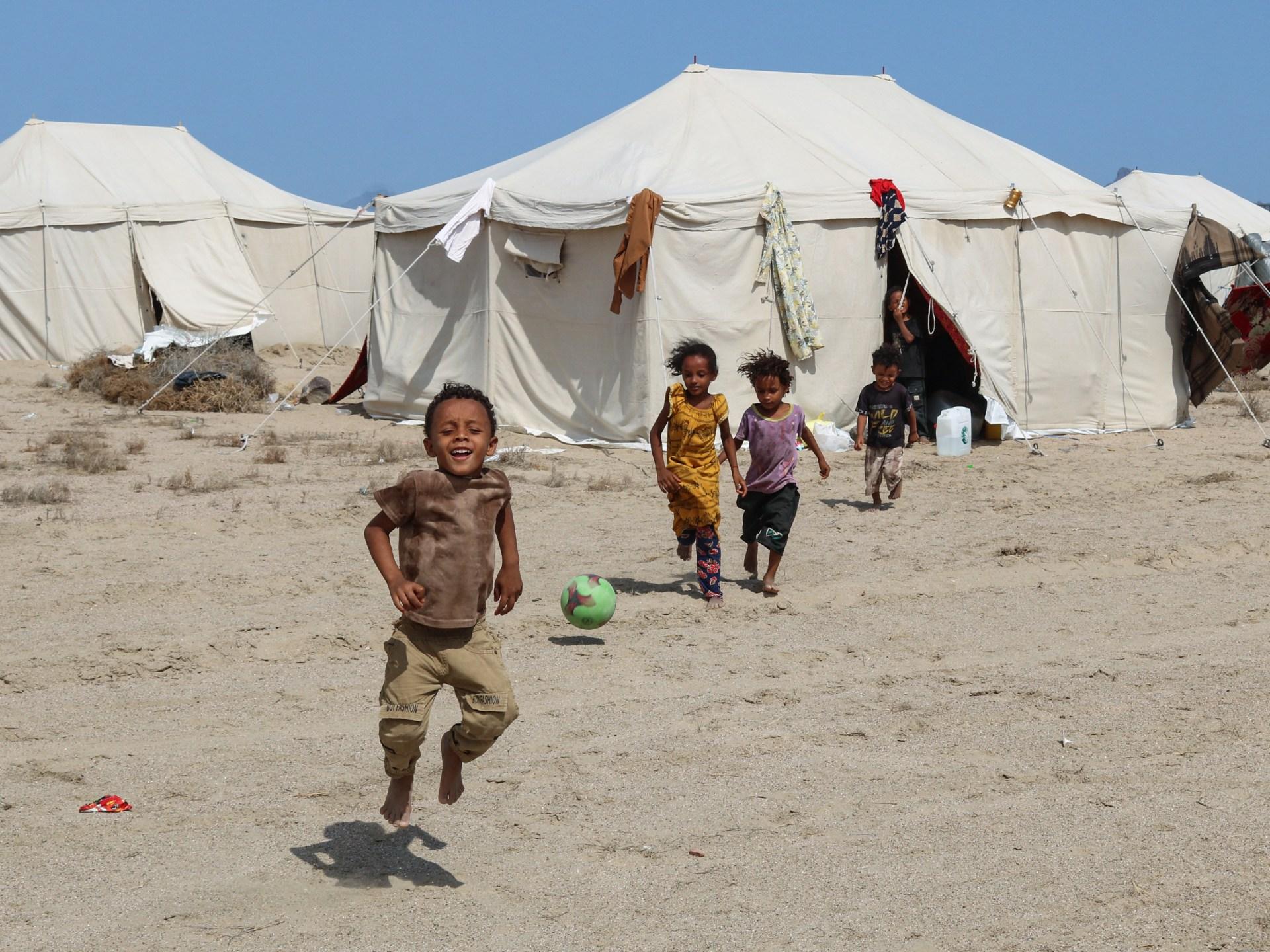
Ayyar noted that 71,000 children out of approximately 130,000 displaced persons have fled during the past three weeks, most forced to escape from or within Taiz province in southwestern Yemen. Speaking via a video link from Aden, Ayyar stated, "Conflict breeds hunger, and hunger makes children more vulnerable to conflict."
He added that mobile UNICEF teams screened nearly 2,900 children in recently accessible areas, finding that more than a quarter suffer from acute malnutrition, while 200 of them are classified as "critically malnourished" under the worst category. The organization expects that this year, 1.2 million children under five will suffer from acute malnutrition, with another half million expected to be affected by severe acute malnutrition.
Ayyar also confirmed that since late September, the conflict has resulted in at least 15 and 14 children being killed consecutively, while three remain missing. He said, "Many children have already paid the heaviest price in this conflict," calling on all parties to protect civilians and critical infrastructure and to facilitate safe humanitarian access.
Analysis & context
Analysis & Context
Analytically, the report highlights the direct causal relationship between escalating combat and the deterioration of children's health. Schools have been converted into temporary shelters before being closed, reflecting the failure of international protection mechanisms to prevent the targeting of educational infrastructure.
In a broader context, the Houthi control of Red Sea ports, including Bab el-Mandeb, represents a significant geopolitical shift, especially alongside the closure of the Strait of Hormuz by U.S.-Iranian tensions. This grants the group unprecedented naval influence that threatens regional security and economic stability.
The displacement crisis in Taiz stands as one of the worst humanitarian crises in modern history, where mass displacement has led to the disintegration of social fabric and the collapse of essential services in rural areas and surrounding regions.
The closure of 243 schools over the past three weeks indicates that education has become a direct victim of war, threatening the future of an entire generation of children who have lost their learning opportunities due to escalating violence between the Saudi-backed government and the Iran-backed Houthi movement.