Sourced fact
The News
Families in Sudan are facing a crushing economic crisis that has led to soaring prices and a deterioration of the local currency's value amidst an ongoing war since April 2023. Official statistics indicate that annual inflation dipped slightly to over 41% in July, compared to 51% in June, while the consumer price index continued to rise by approximately 1.5%.
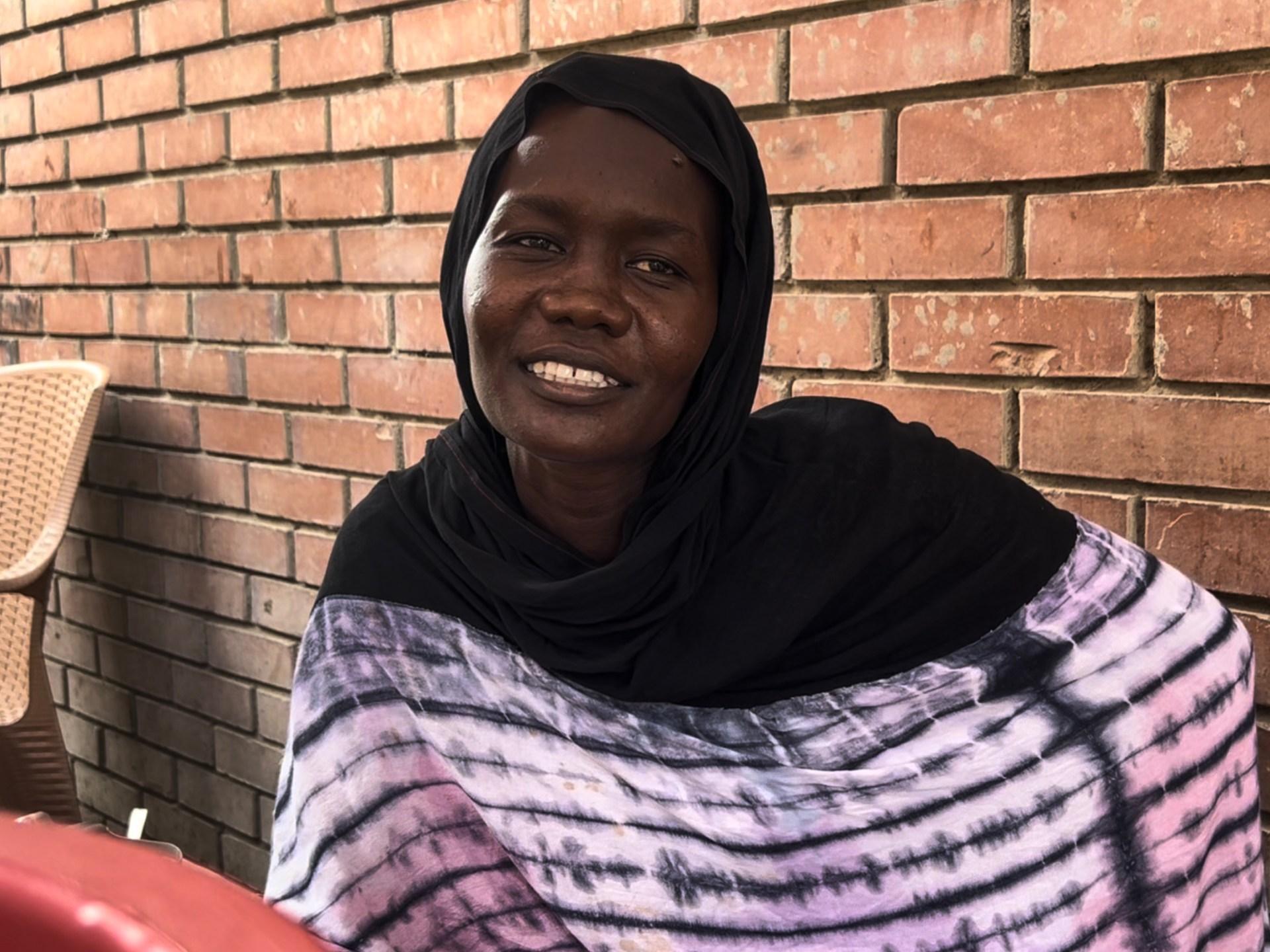
In Port Sudan, which is controlled by the Sudanese Armed Forces (SAF), Aisha, a 27-year-old trader, is suffering from a sharp increase in living costs despite an increase in her daily income. The price of a coffee cup rose from 1,000 Sudanese pounds to 3,000 pounds, while transport costs quadrupled, and the prices of bread, sugar, and meat increased disproportionately relative to income levels.
Aisha explained that what was previously sufficient to cover her family's needs is no longer adequate due to the surge in the price of a kilogram of sugar from 4,000 to 7,000 pounds, while a kilogram of beef has become completely out of her financial reach.
Maryam Ibrahim, a former UN economic expert, stated that the sharp decline in the value of the Sudanese pound has eroded households' purchasing power, making salaries and deposits insufficient to cover basic needs.
The local currency experienced a rapid collapse, with the dollar rate rising from 600 pounds before the war to 7,500 pounds on the black market by mid-September, prompting economists like Mohiuddin Mohammed to call for long-term structural reforms and support for the agricultural and livestock sectors.
The economic analyst emphasized the necessity of diversifying income sources by regulating the gold sector and reducing reliance on imports of essential goods such as flour and medicines to boost foreign earnings.
World Bank estimates indicate that extreme poverty in Sudan rose from 48% in 2023 to 59% in 2025, while approximately 19.5 million people are suffering from acute food crises between February and May.
Maryam Ibrahim stated that cash aid alone is insufficient to solve the economic crisis and needs to be linked with livelihood support and agricultural measures to enable families to restore their ability to earn a living.
Analysis & context
Analysis & Context
Analytically, the factors leading to this economic collapse include the halt of local production and the disruption of exports due to the war, in addition to what analysts have described as an "economic war" involving resource looting such as gold and gum arabic by warring parties. The currency collapse is considered a direct result of weak foreign reserves and damage to the banking system, making access to foreign currency necessary to purchase imported goods at exorbitant prices.
In the broader context, World Bank estimates indicate that extreme poverty in Sudan rose from 48 percent in 2023 to 59 percent in 2025, while nearly 19.5 million people are suffering from acute food crises. These figures confirm the transformation of the economic crisis into a comprehensive humanitarian disaster threatening the stability of the entire region and requiring urgent intervention that goes beyond emergency aid to include long-term structural reforms.
Experts argue that a sustainable solution requires restructuring the mining sector, particularly gold, to increase official government revenues, in addition to supporting the agricultural sector and reducing reliance on imports for essential goods such as flour and medicine. Furthermore, linking humanitarian aid with livelihood support programs is considered vital to enable families to gradually restore their ability to earn a living rather than relying entirely on temporary subsidies.