Sourced fact
The News
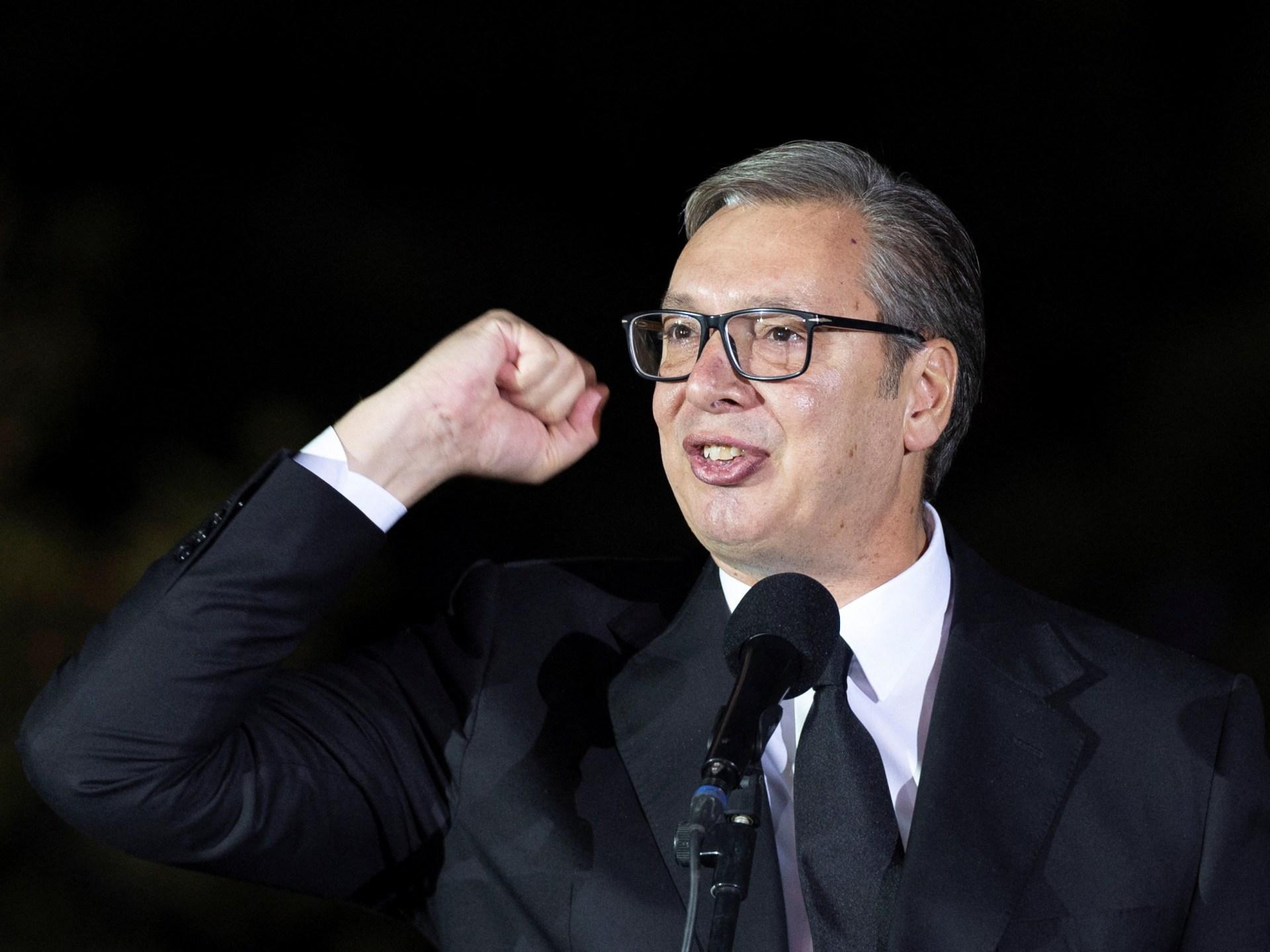
Serbian President Aleksandar Vučić announced his resignation from office as part of a move to contest the position of Prime Minister in early parliamentary elections scheduled for October 10th. This decision comes amidst significant political challenges faced by his government due to ongoing student protests that have been active for the past two years.
Since the collapse of a train station roof in the northern city of Novi Sad in November 2024, resulting in the death of 16 people, students have organized the largest protests in the country in decades. They have accused the government of corruption, lack of transparency, and interference in public institutions.
Vučić, who has led the Serbian Progressive Party since 2014, stated in an interview with CNN before his resignation that he would accept the election results if the opposition wins. According to political analysts, these elections could be a crucial turning point in determining the future of Serbian politics.
Dijana Jelic, a prominent editor and journalist in Belgrade, noted that the people are the ones demanding the elections, not just Vučić alone. Previous parliament member Aida Korovitch added that the current crisis could worsen after the elections.
The political situation in Serbia impacts its neighboring countries such as Bosnia and Herzegovina and Kosovo. According to Tanga Topić, director of the Friedrich Ebert Foundation office in Banja Luka, a political shift in Serbia could contribute to regional stability as a whole.
Meanwhile, Serbia faces significant economic challenges, with average wages in the country remaining below those of neighboring EU member states. Official statistics show that average wages in April last year were 1,032 euros, compared to 1,555 euros in neighboring Croatia, reflecting a substantial living standard gap between the two countries.
Serbia also faces political challenges related to the 1990s Bosnian War, with the funeral of Ratko Mladic, the former Bosnian Serb Army commander, drawing widespread international criticism. These elections present a critical opportunity to assess Serbian political trends and its relationship with the Western Balkans.
Analysis & context
Analysis & Context
From an analytical perspective, Serbia faces significant political and economic challenges. Vučić's resignation reflects substantial internal and external pressures. The student movement, demanding transparency and justice, presents a new challenge to Vučić's stable rule since 2014. Additionally, regional tensions, particularly with Croatia, make the situation more complex. Furthermore, Serbia faces pressure from the EU to improve human rights and transparency in governance.