Sourced fact
The News
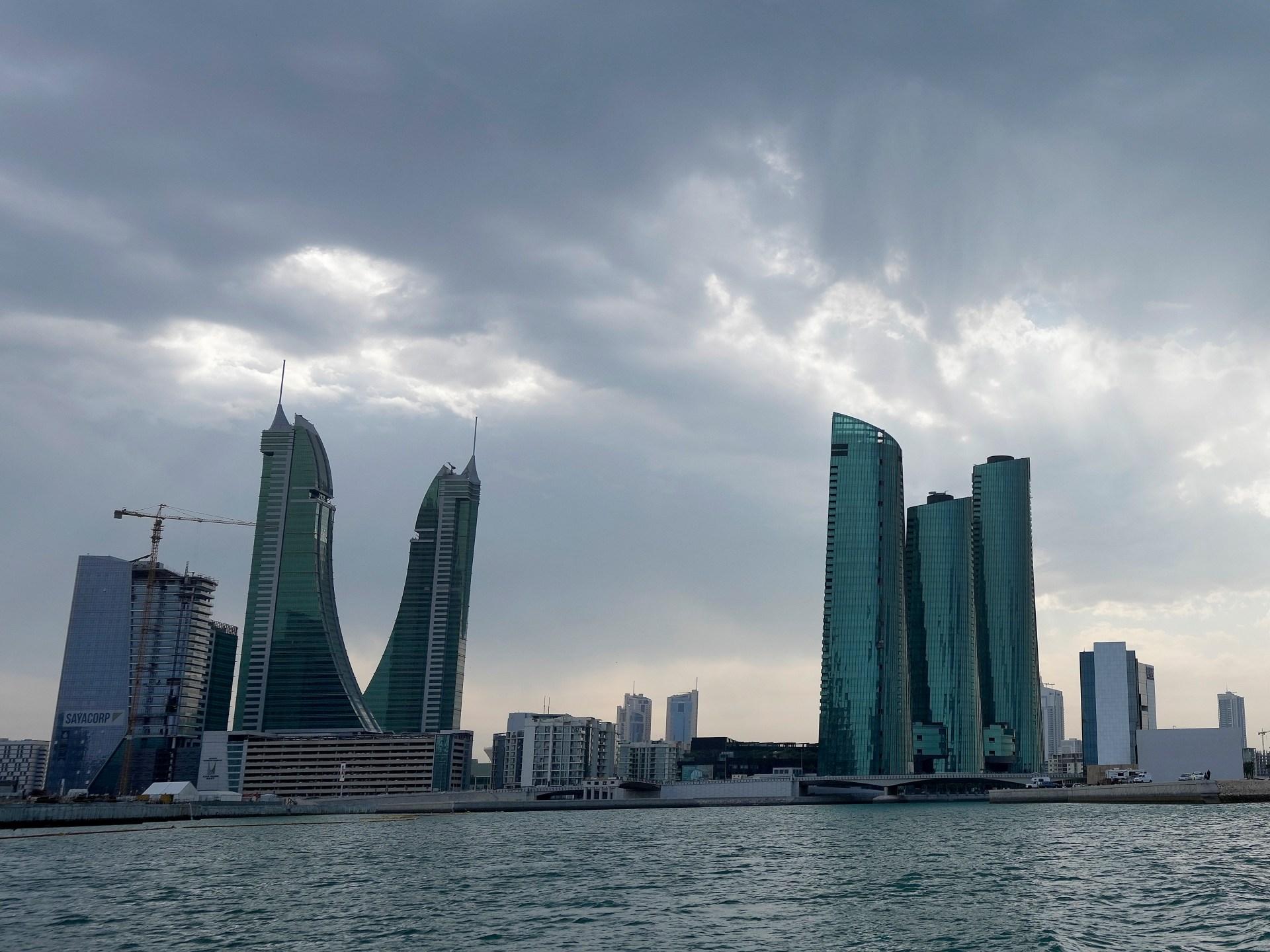
The US Department of Defense announced that a US military facility in Bahrain suffered significant damage during recent clashes with Iran, prompting Washington to reassess the future of its Fifth Fleet headquarters in the Middle East. Hong Cao, Deputy Secretary of the US Navy, stated that Iranian strikes destroyed the main headquarters of the Fifth Fleet and other parts of the Juffair base near Bahrain's capital, Manama. These rare admissions come amid escalating tensions in the Gulf following six months of war between the United States, Israel, and Iran.
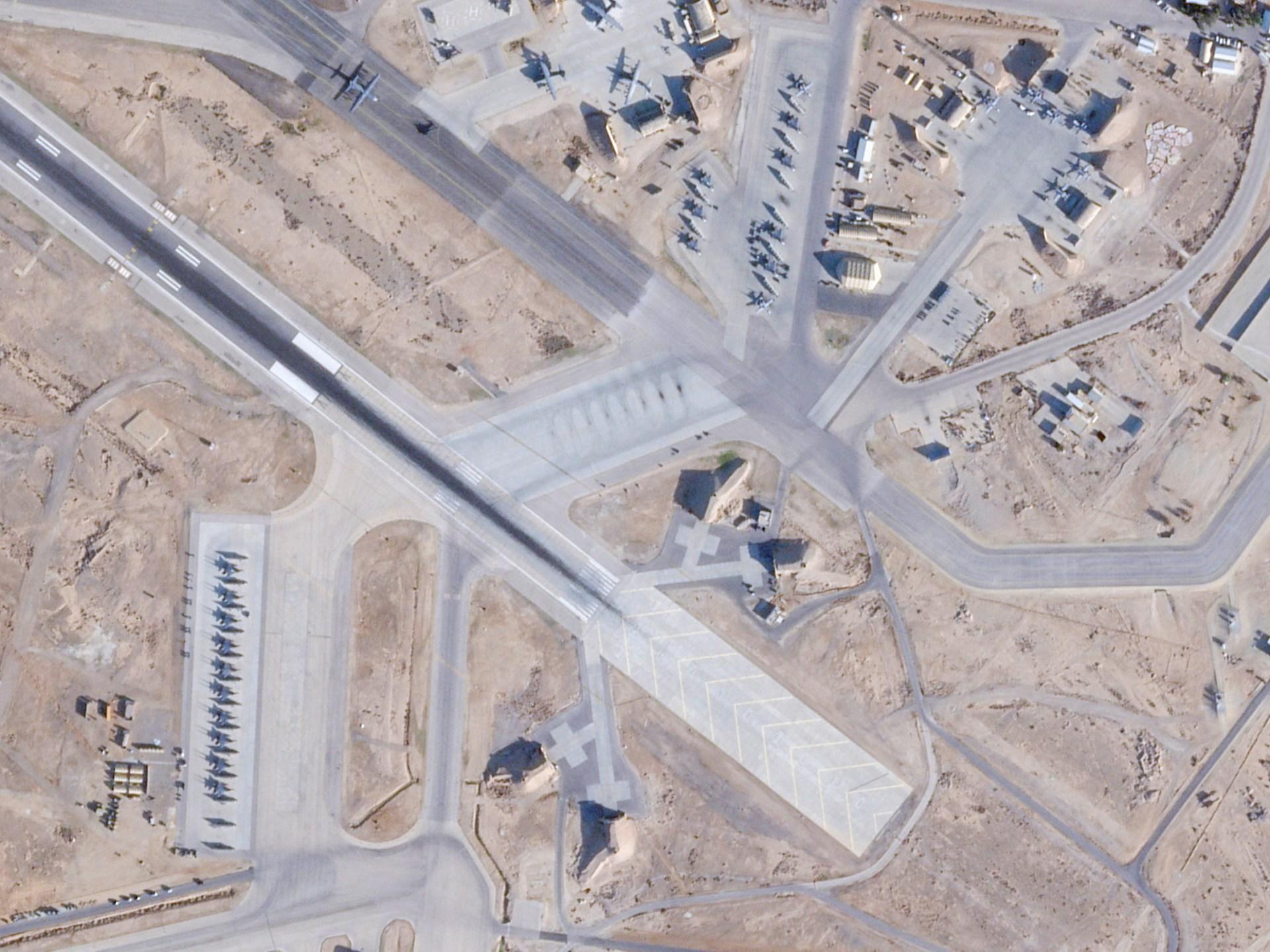
Iranian Foreign Minister Abbas Araghchi responded to Cao's admission by stating that Iranian forces "destroyed" the Fifth Fleet headquarters and other bases supporting US aggression, noting that the strikes also targeted the Al Mueqqal al-Saltiyah base in Jordan. Reports indicate that Iranian missiles struck US aircraft maintenance and preparation sites at the Jordanian base overnight on Tuesday last week. Jordanian armed forces confirmed that they intercepted most of the missiles, though some hit American aircraft, including an A-10 Thunderbolt II attack jet that lost one wing.
Cao clarified that the US Navy is evaluating what to do with the damaged base, including the possibility of repairing it or not resuming service soon. He noted that damage to the port affected the carrier Abraham Lincoln operations, as the crew no longer had accommodation after completing their nearly nine-month mission. These conditions led to a psychological crisis among the crew members, forcing some to jump from the ship before it finally arrived at Laem Chabang Port in Thailand.
Al Mueqqal al-Saltiyah base in Jordan is one of the most important US assets targeted by Iran more than 10 times since March, where Tehran claims several buildings and command centers were destroyed. The US Central Command confirmed that a previous Iranian attack killed two US personnel and wounded others, while two remain missing. Iran also targeted US facilities in other Arab countries such as Saudi Arabia and Kuwait, leading to the destruction of fuel tanks and soldier barracks according to reports from the British Broadcasting Corporation.
Cao said a task force has been formed to study the current status of the base in Bahrain and determine next steps, whether for repair or complete abandonment. He added that the extensive damage rendered the base unable to host ships or provide the logistical support required for naval operations in the region. Cao also noted that US stockpiles of air defense missiles are depleting rapidly amid continued Iranian attacks on military installations via missiles and drones.
Analysis & context
Analysis & Context
From an analytical perspective, the public admission of damage to the Bahrain base marks a turning point in the American military narrative in the region, shifting from denying losses to assessing the reality of strategic installations. This assessment opens the door for restructuring the US military presence in the Middle East or transforming it into a more flexible model relying on distributed bases rather than depending on a single vital hub like Juffair base.
In the broader context, repeated attacks on the US base in Jordan, Prince Sultan Air Base in Saudi Arabia, and other headquarters in Kuwait indicate a shift in the nature of warfare in the region from conventional operations to a war of attrition directly targeting US military infrastructure. These attacks confirm that Iranian leadership has succeeded in destroying or impairing the US ability to maintain its logistical and operational control in the Arabian Gulf.
The report also highlights the human and psychological dimensions of the conflict, where the unprecedented extension of the Abraham Lincoln carrier mission led to a psychological crisis among the crew, reflecting the impact of modern wars on American troop morale beyond material losses. Furthermore, the increasing reliance on air defense systems such as Patriot missiles, whose stockpiles depleted quickly, indicates the intensity of Iranian attacks and their depletion of US defensive resources.
Finally, classifying the region as unsafe for US military presence by the leader of the Islamic Revolution reflects a fundamental shift in regional power balances, where the US base in Bahrain has transformed from the heart of naval operations into a primary strategic target threatening the future of Western presence in the Gulf.