Sourced fact
The News
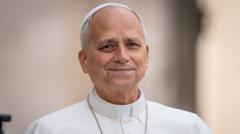
Pope Leo XIV, an American citizen born in Chicago, cast his vote via email in Illinois to participate in the US midterm elections held on November 3, becoming the first pope to vote in American elections. Vatican News Agency confirmed that the Holy Father believes citizens have both the right and duty to participate in democratic processes, noting he exercised this right even when he previously held Peruvian citizenship.
Pope Leo XIV is the first American citizen to hold the highest office in the Vatican since his election in May 2025, though his relationship has become strained with President Donald Trump over multiple issues including immigration and the Israeli-Iranian conflict. President Trump stated that the pope is not performing his job well and disapproves of him because he acknowledges the existence of nuclear weapons, while the pope responded that the Church's mission is to preach the Gospel and promote peace, emphasizing that God's words must be heard.
In light of recent medical developments, the Vatican reported that the 71-year-old pope underwent surgery to remove a section of his right lung after being diagnosed with lung cancer just weeks ago. Despite this difficult health diagnosis, the Vatican confirmed that the pope will proceed with his original travel plans to Uruguay, Argentina, and Peru in early November.
According to polling data, the Democratic Party is favored to win control of the US House of Representatives and may gain additional seats in the Senate, threatening negative expectations for the Republican Party led by President Trump. Amid this shifting political landscape, the president is organizing several election campaigns in states that were previously considered certain losses for his political party just days before the national elections.
Analysis & context
Analysis & Context
From an analytical perspective, Pope Leo XIV's voting represents a unique historical moment linking religious symbolism with American civic politics, combining his identity as both pope and US citizen. This event highlights the complex interplay between religious institutions and the state in the United States, particularly when the head of the Catholic Church holds citizenship of the country where democratic elections are organized.
In the broader context, tensions between Pope Leo and President Trump reflect deep shifts in Vatican-US relations, moving from traditional alignment to disagreement over strategic issues such as nuclear war and immigration policies. Trump's harsh statements toward the pope and his preference for different policies demonstrate how US public opinion can be influenced by complex international relationships affecting domestic politics.
Historically, no pope has ever participated in American elections, making this vote an exception that highlights the pope's role as a spiritual leader with strong American roots. This participation also reflects evolving understanding of civil rights for American citizens of diverse religious backgrounds within the US political system.
Regarding the elections themselves, their results will determine the shape of the US Congress and its impact on the final years of Trump's presidency, making the pope's participation in this electoral context carry both political and religious significance.