Sourced fact
The News
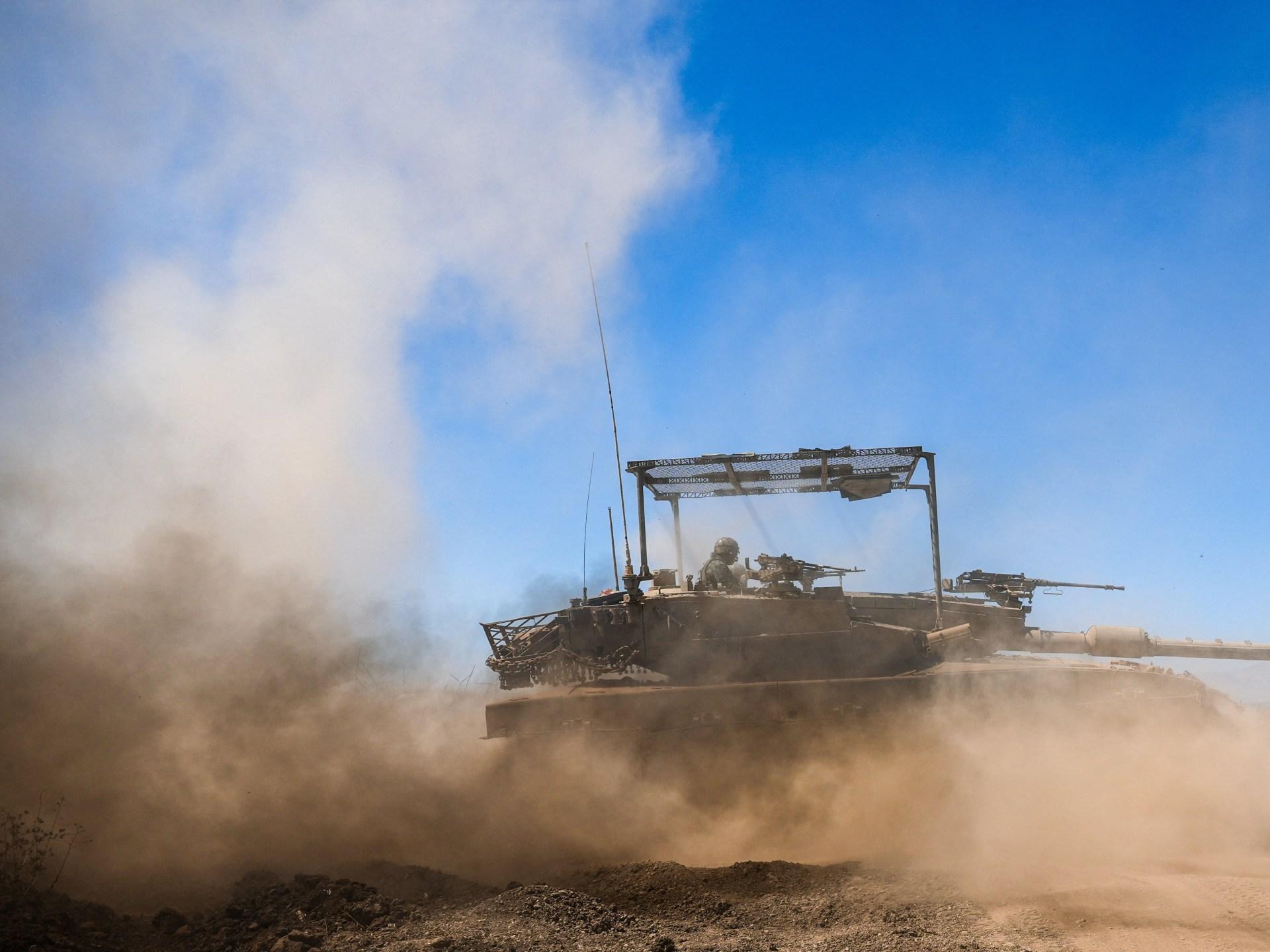
The upcoming Israeli general elections coincide with the third anniversary of the October 7, 2023 attacks, where voter attention is focused on security issues and wars directly or indirectly triggered by this event. This includes ultra-Orthodox anger over conscription, the economy's impact from the conflict, and questions about responsibility for the Hamas-led attack.
Ayala Baniveski, Professor of Political Science and Media at City St George University in London and author of "The New Censorship," said that national security remains a top priority for Israeli voters during these elections, while other issues have receded to second place. She added that attempts by some parties to shift the focus toward the economy or any other issue have failed because the situation in the country is considered existential amidst war and conflict, especially after the shock of October 7.
Baniveski pointed out that Israelis do not feel safe from future attacks by Hamas, Hezbollah, or Iranian nuclear threats, noting that all fronts have not ended with a victory for Israel despite the large promises made by US President Donald Trump and Benjamin Netanyahu.
On the other hand, some analysts believe that Israel has become safer after three years of war. Aron Bregman, an Israeli security analyst and associate professor at the London School of Economics, said Hamas was defeated and Hezbollah is struggling while the United States deals with Iran primarily.
However, Bregman warned that the greatest danger lies within Israel itself and in the occupied West Bank, which has become a flashpoint due to increasing military operations and violent settler movements. He explained that Israel has lost control over settlers who incite Palestinians daily, convinced that a third Palestinian intifada may be on the horizon and difficult to stop once it begins.
The two main election candidates, Netanyahu and Yair Lapid's party leader Gadi Eisenkot, continue to portray Israel as victorious against its enemies while simultaneously threatened by them. Netanyahu said the war has never ended and living in the Middle East requires great strength, claiming that his leadership reshaped the political geography of the Middle East and saved the State of Israel from destruction.
Lev Greenberg, a sociology professor at Ben Gurion University, said the election debate revolves around security and diplomatic failures over the past three years rather than the country's actual military capabilities. He pointed out that Israeli society is deeply divided between the current governing coalition and those who oppose it, making the issue of feeling safe or unsafe purely political rather than military.
Analysis & context
Analysis & Context
Analytically, there appears to be a sharp contradiction between tangible military reality and the general sense of security among the Israeli public. While analysts like Aron Bregman from King's College London believe Israel has become safer after three years of war due to weakened capabilities of Hamas, Hezbollah, and the Houthis, citizens' sense of danger has increased rather than decreased.
In a broader context, reports indicate that the greatest threat may be closer to home with escalating military operations in the West Bank and rising violence among settlers. Bregman warned of the possibility of a third Palestinian intifada erupting, which would be difficult to stop once it starts, adding a new layer of security instability unrelated to traditional regional alliances.
Furthermore, the elections themselves have turned into a sharp political battleground where both Netanyahu and opposition leaders use conflicting narratives about security and existential threats. Professor Lev Greenberg from Ben Gurion University noted that the security discourse in these elections is essentially a political question regarding diplomatic and security failures over the past three years, not merely an assessment of the country's actual military capabilities.
Finally, the role of media and political influencers in feeding this general anxiety emerges, where intelligence reports about pre-attack intelligence from the UAE are used as mutually exchanged political weapons. Greenberg described the essence of the elections as a terrifying environment for the opposition, who feel extreme insecurity following potential results, reflecting deep division in Israeli social fabric between the governing coalition and its opponents.