Sourced fact
The News
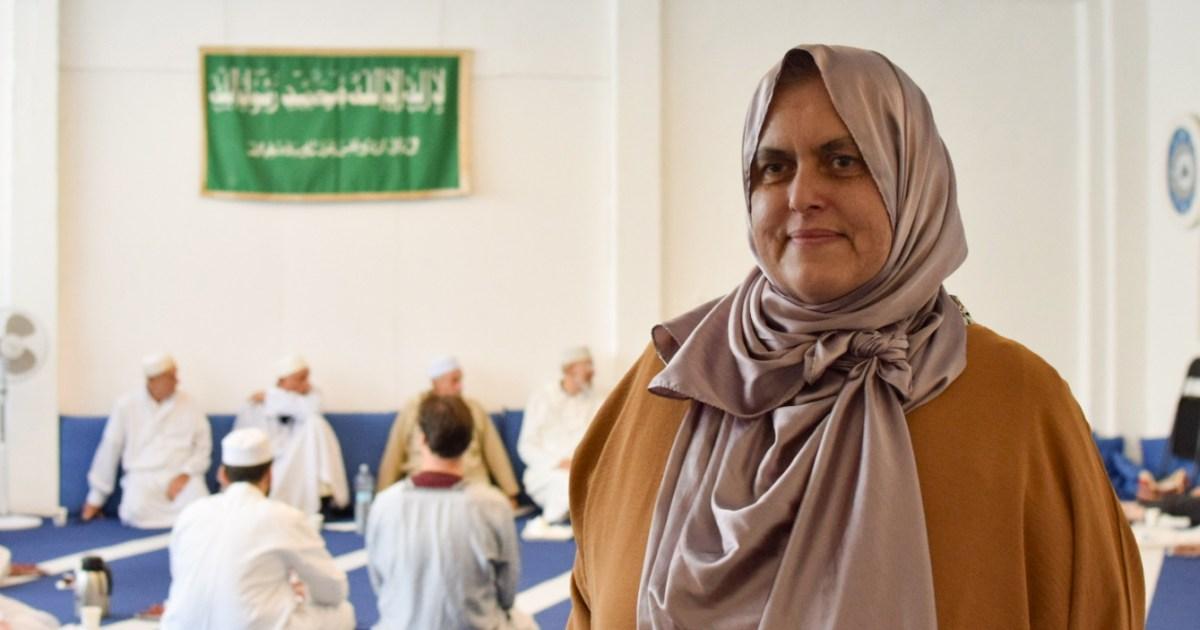
Italian Prime Minister Giorgia Meloni announced a proposed law banning the burqa and niqab in schools, sparking debate within Italy's Muslim community. According to the BBC, Meloni stated that the decision aims to promote gender equality, noting that "a young woman in Italy cannot hide herself under the guise of a real or purported tradition." Molaika Lara Enriello, a mathematics teacher at a secondary school, described the decision as inhumane, saying, "If a girl arrives at school wearing a burqa, I cannot tell her to go home."
Imam Yahya Balavetichini of the Grand Mosque in Milan expressed opposition to the decision, arguing that it creates a false problem and contributes to a distorted image of Islam. According to the Italian news agency ANSA, approximately 500 to 600 students in Italy wear the niqab or burqa, making the decision contentious among politicians and opponents.
Nico Tonti, a researcher in the legal studies department at the University of Bologna, pointed out that the decision prohibits participation in school with a fully covered face or "in any other way that prevents recognition." He added that the decision may provoke legal debate on its appropriateness and compatibility with freedom of worship.
In another context, Renata Pepechelli, an Islamic studies professor at the University of Pisa, sees the decision as reflecting the current political climate in Italy, noting that the ban on the burqa and niqab aims to present a uniform model of society that reflects white nationalist ideas. According to Lorenzo Castellani, a professor of political institution history at the University of Louvain, Meloni aims through this decision to send a strong signal to her right-wing base, facing challenges from far-right parties like the National Future Party led by Roberto Farnesina.
In this context, Castellani believes that Meloni will seek to link migration and security issues to political stability in her upcoming election campaign, positioning herself as a strong candidate for victory in the 2027 elections. According to the BBC, Meloni is striving to enhance her image as a strong leader capable of achieving political stability in the country.
Analysis & context
Analysis & Context
Analytically, this law reflects the political and social tensions in Italy regarding identity and integration. As reported by Al Jazeera, some politicians view such laws as part of a strategy to strengthen national and ethnic identity. These laws also spark discussions about religious freedoms and civil rights. In a broader context, such laws are seen as part of European political trends aimed at restricting Islamic practices in public spaces. In Italy, Prime Minister Meloni faces challenges from the far-right, positioning herself as a strong leader capable of addressing issues of identity and migration.