Sourced fact
The News
The Central Elections Committee in Israel, headed by a judge from the Supreme Court, has unanimously—by a vote of 18 to 5 on each decision—decided to bar the Joint List and Ra'am party from participating in the upcoming Knesset elections scheduled for October 27. This decision follows requests submitted by right-wing Israeli parties, including Likud and "Jewish Power," which claimed that these parties and their candidates deny Israel's existence as a Jewish and democratic state, support armed struggle against the state, or incite racism.
The ban also includes excluding Ofer Cassif, a Jewish politician affiliated with Hadash within the Joint List, and Sami Abu Shadiya, leader of Balad, according to Adalah, the Palestinian human rights organization representing these lists. While Attorney General Gali Baharav-Miya opposed the exclusion of the two parties and candidate Cassif on legal grounds citing insufficient evidence, she was influenced in her decision regarding Abu Shadiya by an article he published on the "Arab48" website following Hamas's attack on Israel.
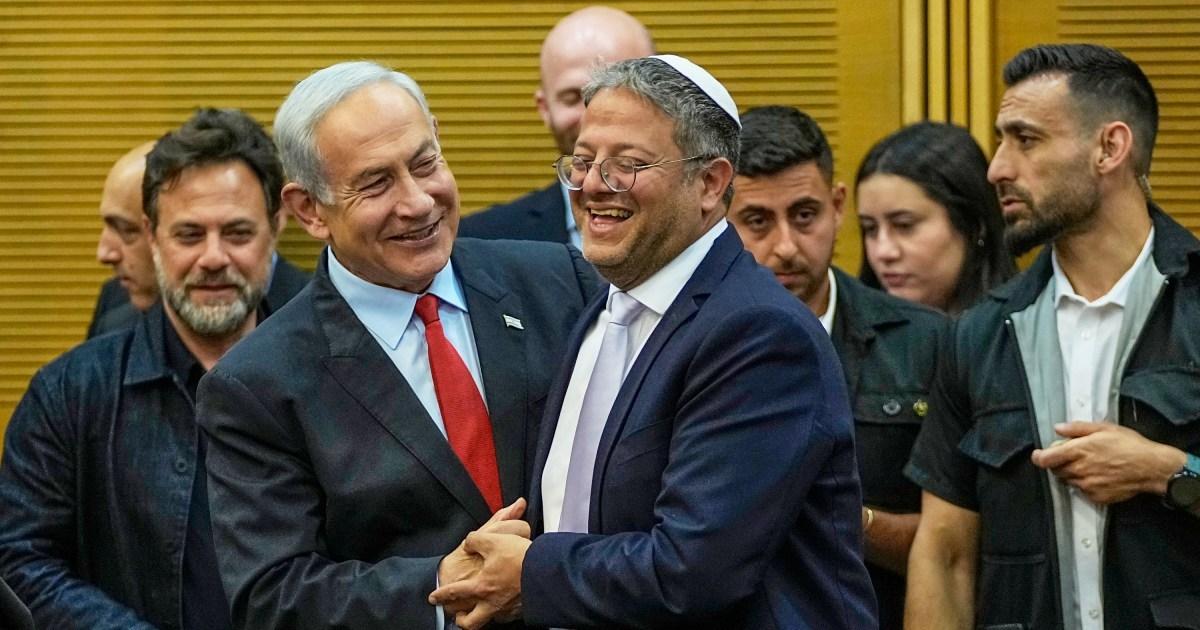
This decision faces sharp criticism from human rights activists such as Ubai Al-Aboudi, who described the committee as discriminating against politicians by allowing far-right parties that call for the displacement of Palestinians and international violations to remain on the ballot while excluding Arab parties. Cassif also noted that this ruling represents "another nail in the coffin of what remains of democracy" in Israel, while Prime Minister Benjamin Netanyahu remains eligible for elections despite an international arrest warrant against him and a pending corruption trial.
Analysis & context
Analysis & Context
From an analytical perspective, the Central Elections Committee's decision constitutes part of repeated attempts since 2003 to prevent Arab parties from participating in Israeli elections. Adalah documented these efforts in the years 2013, 2015, 2020, and 2022. Although the Supreme Court has overturned many previous committee decisions in favor of Arab parties, its history does not necessarily guarantee overturning this new decision this time, casting legal and political uncertainty over the future representation of Palestinian citizens in Israel.
In a broader context, this situation highlights clear contradictions within Israel's current political system: while members of the right-wing government such as Itamar Ben-Gvir and Bezalel Smotrich are allowed to run despite their calls for displacing Palestinians from Gaza and confiscating West Bank lands, parties advocating for equal citizenship rights are excluded. This discrimination reflects a political structure that views Palestinian citizens as a demographic and political threat requiring legal and political marginalization.
The final Supreme Court ruling expected next week will be a pivotal point in the legal battle, as it may annul or uphold the committee's decisions based on its interpretation of laws regarding electoral eligibility and permissible incitement lines. If the court upholds the decision, Palestinian citizens in Israel could lose their main representatives in the 120-seat Knesset, potentially altering the country's political representation dynamics fundamentally.