Sourced fact
The News
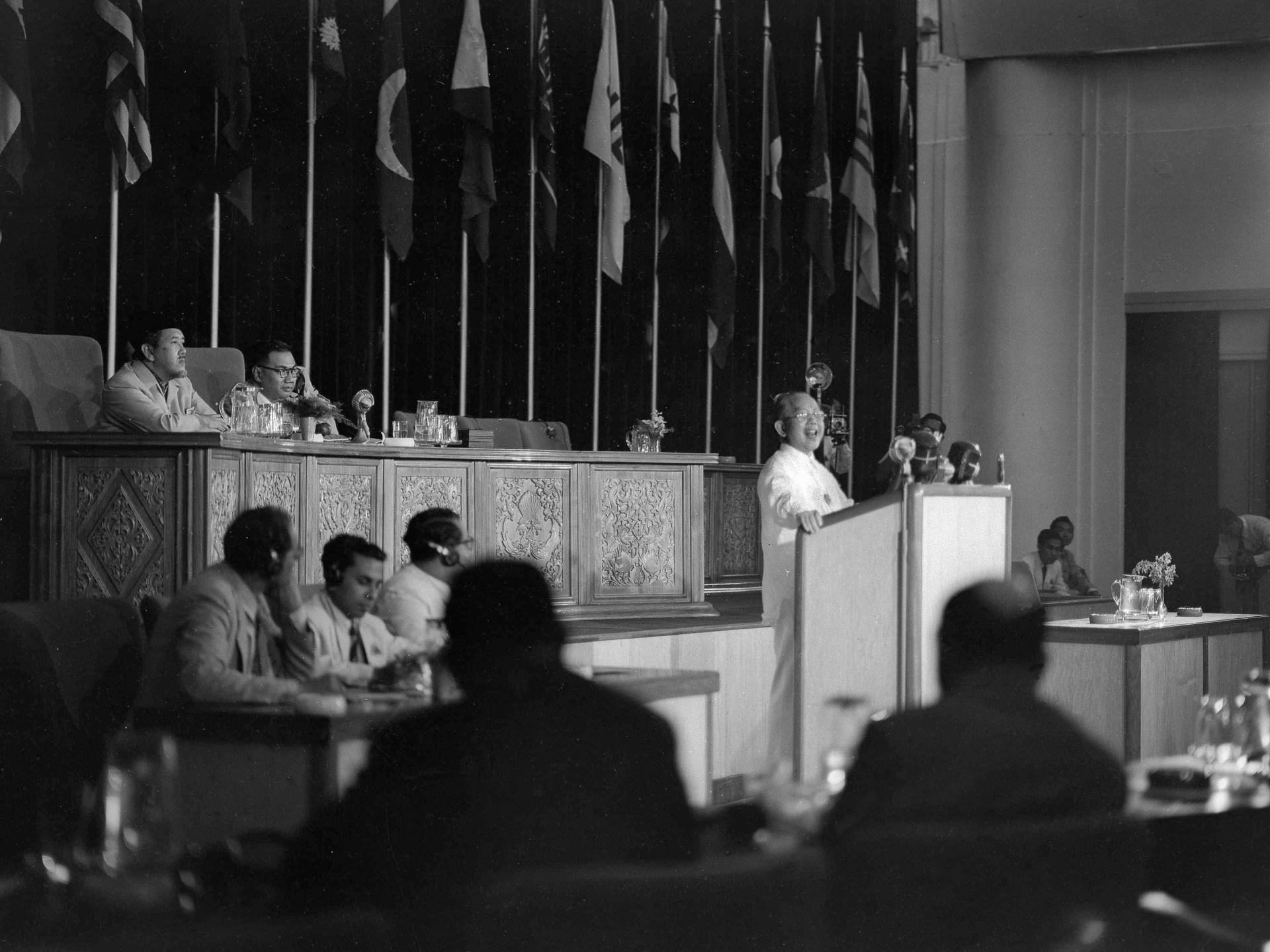
The Bandung Conference, held in 1955, is gaining new significance in a time of growing geopolitical tensions and economic warfare between major powers. At this conference, attended by 29 countries from Asia and Africa, the foundations were laid for cooperation among southern nations and the promotion of national sovereignty, economic, cultural, and political cooperation. However, these efforts were treated as a threat by the major powers of the time, leading to military and economic interventions in participating countries.
According to the BBC, the world today faces similar challenges under the dominance of northern powers in the global economy, where northern countries control 69% of global wealth while representing only 20% of the world’s population. In this context, Brazilian President Luiz Inácio Lula da Silva expressed his rejection of American dominance by saying, "The world has changed, we no longer want an emperor."
The conference highlighted the urgent need to reform international financial institutions such as the International Monetary Fund and the World Bank, and to provide better financial support to developing countries. It also called for the establishment of new platforms to revise debt restructuring rules and enhance economic cooperation among southern countries.
Experts emphasize the importance of working to reduce inequality within and between countries, and providing guarantees for workers' and environmental rights in new trade agreements. Additionally, international cooperation in areas such as the global tax system and intellectual property is deemed necessary to promote economic justice and national sovereignty.
In conclusion, experts point out that it is popular forces and organizations, rather than political leaders alone, that will lead real change in the global economic system.
Analysis & context
Analysis & Context
From an analytical perspective, the renewed interest in the Bandung Conference points to the urgent need to reassess the current global system. In a broader context, this shift in perspective reflects fundamental changes in global power and the world economy.
Historically, the Bandung Conference of 1955 marked a turning point in international relations, demonstrating the independence of developing nations from major powers. Today, this conference offers important lessons on how to reshape global cooperation rules.
Economically, the Bandung Conference highlights the need to reform global financial institutions such as the International Monetary Fund and the World Bank to promote equality and national sovereignty. It also calls for the establishment of new financial institutions to serve developing countries.