Sourced fact
The News
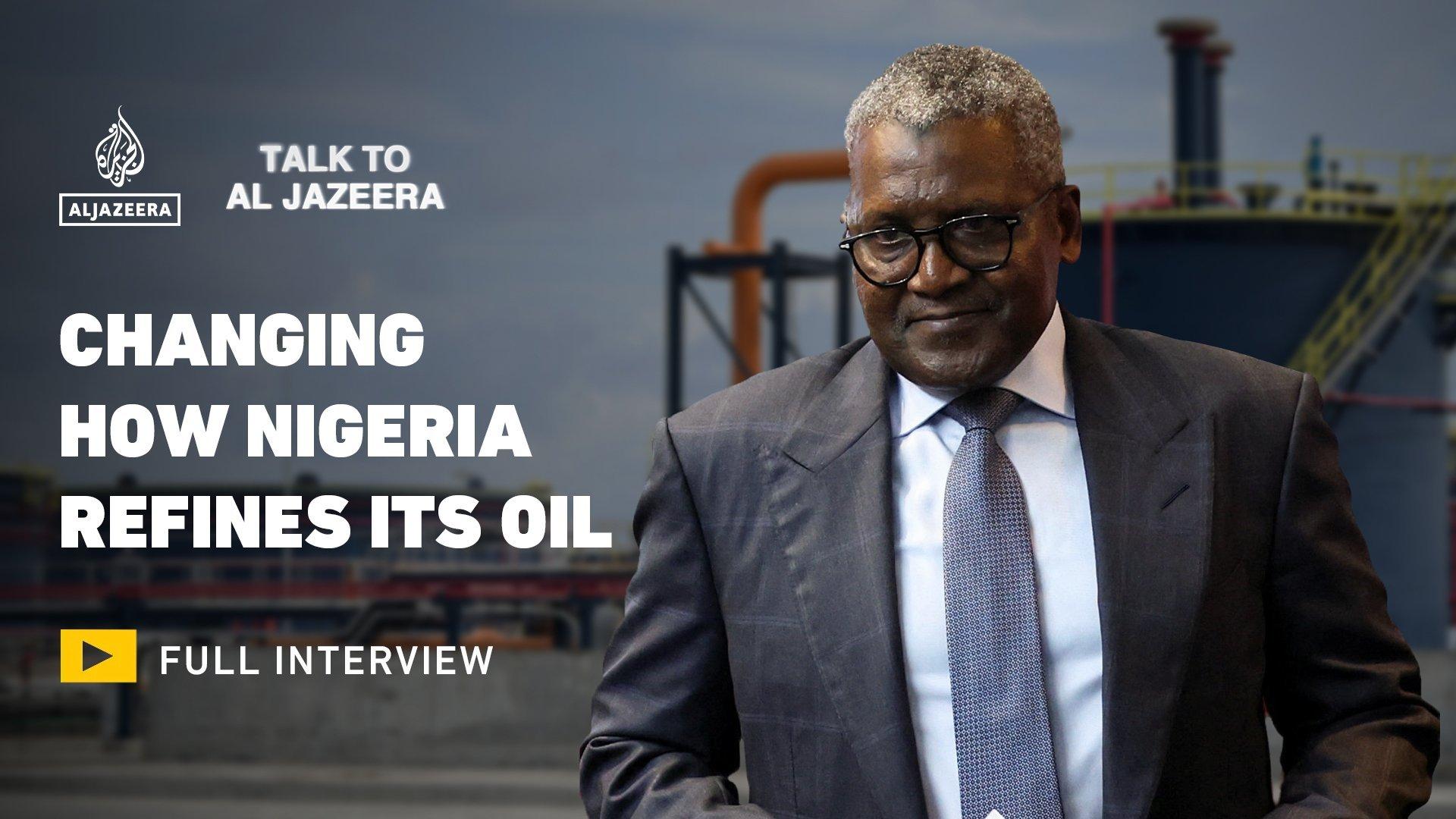
Nigerian billionaire and the world's richest Black man, Aliko Dangote, says building a fuel refining complex was the toughest challenge he faced throughout his career, but he never considered abandoning the project. Through this refinery, Dangote aims to make Africa more self-reliant and significantly reduce the continent's dependence on importing refined products.
According to Al Jazeera Net, Nigeria, which is Africa's largest oil producer, has spent billions of dollars annually for years importing refined fuel due to the poor performance of state-owned refineries. Dangote succeeded in making his country less dependent on fuel imports by operating its own private refineries that function with high efficiency.
In light of recent geopolitical events, Al Jazeera Net noted that the refinery has seen a significant surge in demand for aviation fuel since the start of the US-Israeli war on Iran on February 28, due to disruptions in global energy supplies. Dangote intends to double the refinery's processing capacity in the future and has announced plans to list the company on the Nigerian stock exchange to enable ordinary citizens to participate in wealth creation.
Aliko Dangote rejects some criticisms claiming he is creating a monopoly in the energy market, affirming that his primary goal is to make Africa great and reduce its reliance on external imports. The billionaire insists that his vision goes beyond personal profit to include building a strong, independent continental economy based on its own resources.
Analysis & context
Analysis & Context
From an analytical perspective, Aliko Dangote's project represents a strategic transformation in Nigeria's and the entire African continent's economy, shifting from a model of total reliance on imports to a local production model that enhances energy security. This shift comes at a time when global markets are experiencing sharp fluctuations due to geopolitical conflicts that negatively affect global supply chains for fuel and energy.
In a broader context, the decision to list the company on the Nigerian stock exchange reflects a desire to integrate the large private sector with the local market economy, which may open new avenues for financing major development projects through broad public participation. Additionally, increasing the refinery's capacity indicates Aliko Dangote's ambition to transform Nigeria from merely a fuel importer into a regional refining and distribution hub in Africa.
The success of this project serves as a model for other countries suffering from weak energy infrastructure, demonstrating how an individual vision supported by substantial capital can solve long-term structural problems such as power outages and fuel shortages. However, the greatest challenge lies in ensuring the sustainability of this model and its ability to compete with major global companies without creating a monopoly that harms consumers.
Finally, Dangote's rejection of monopoly accusations reflects his deep understanding of the nature of the African market, which needs large players capable of investing in heavy infrastructure that states or small companies cannot afford to bear alone.