Sourced fact
The News
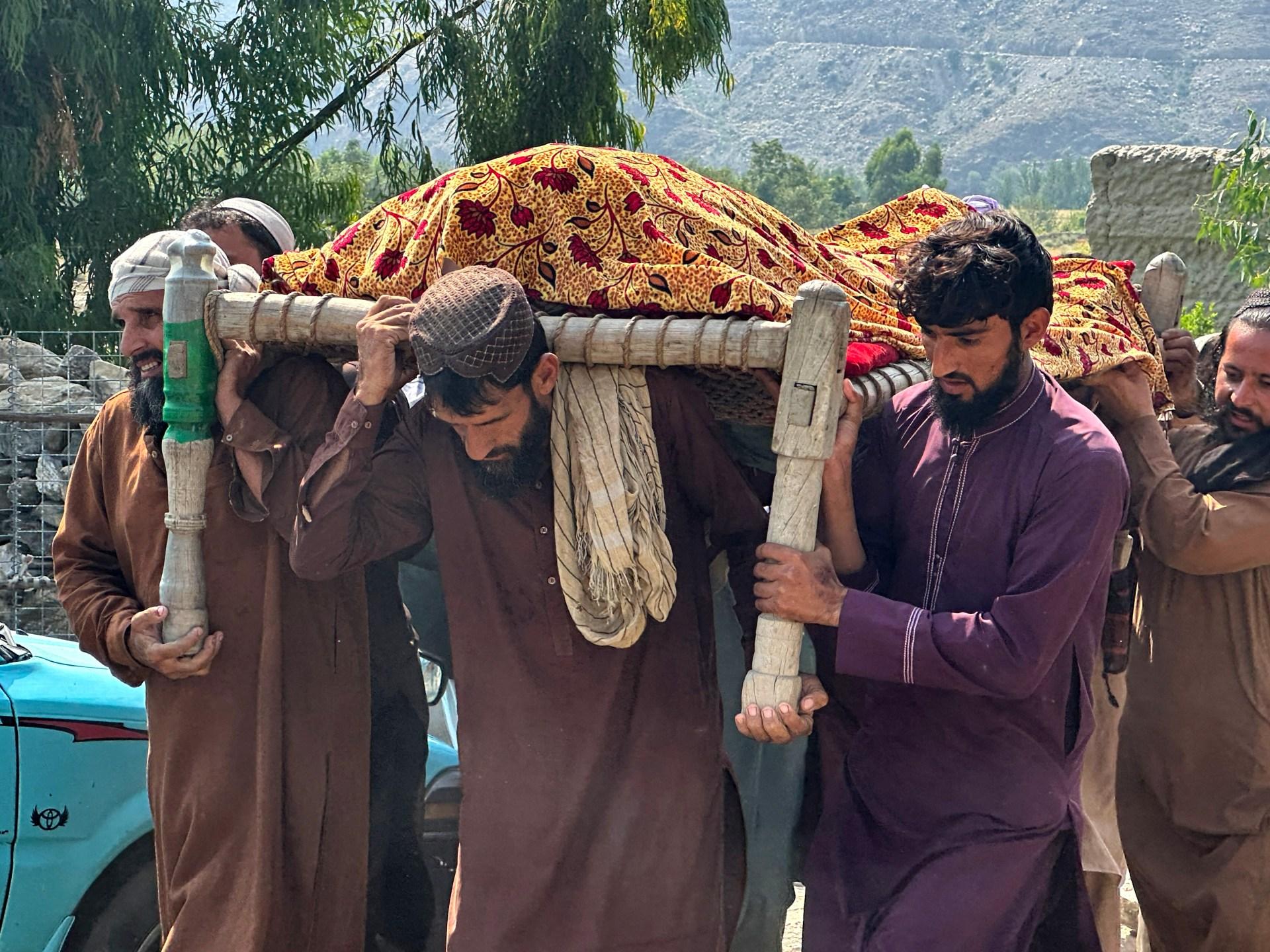
Three people were killed and four others injured in Pakistani airstrikes launched on northeastern Afghanistan, according to Afghan authorities. Fariid Dehghan, a spokesperson for Kunar province, told Al Jazeera that the attack targeted the Nurgal area early Monday at 4 a.m. local time, resulting in three deaths and four injuries.
In contrast, Pakistan's Information Ministry stated that the airstrikes hit three targets in Afghanistan, killing up to 28 "rebels." On his part, Hamdullah Fetrat, the Taliban's spokesperson, said an airstrike targeted one house in Kunar province, killing three members of the same family and injuring four others.
Fetrat clarified that another strike was launched on the Barmal area in Paktika province, which destroyed a shop and an unoccupied building without recording any human casualties. These attacks come days after the bombing of a mosque at a police facility in Khost, western Pakistan, where more than 21 people were killed, most of them police officers.
The Information Ministry said it may strike fighters inside Afghanistan as a response to attacks carried out by those groups on its territory, blaming the Khost attack on fighters based in Afghanistan. Relations between the two former allies have been tense since February following the worst military clash in years, with Islamabad accusing Kabul of providing shelter to armed groups carrying out cross-border attacks.
Analysis & context
Analysis & Context
Analytically, these escalations indicate a rapid deterioration in relations between the two neighbors who were former allies before their relationship turned into acute tension since last February. The causes of this tension focus on internal violence in Pakistan, which Islamabad blames Kabul for supporting armed groups carrying out cross-border attacks from Afghan territory, while the Taliban denies these accusations and considers the violence an exclusively internal problem.
In the wider context, these airstrikes threaten to renew tensions between the two countries after three months of relative calm that had prevailed in the region. The recent attacks on the mosque in Khost marked a dangerous turning point, prompting Pakistan's Information Ministry to issue an explicit warning that Pakistan may strike fighters inside Afghanistan in response to ongoing attacks on its territory.
This scene highlights the continuation of a cycle of reciprocal violence lacking a sustainable political solution, where governments and armed groups in both countries struggle over ways to deal with shared security threats. The northeastern border region between the two countries remains the main theater for these undeclared conflicts that affect the stability of the entire region.