Sourced fact
The News
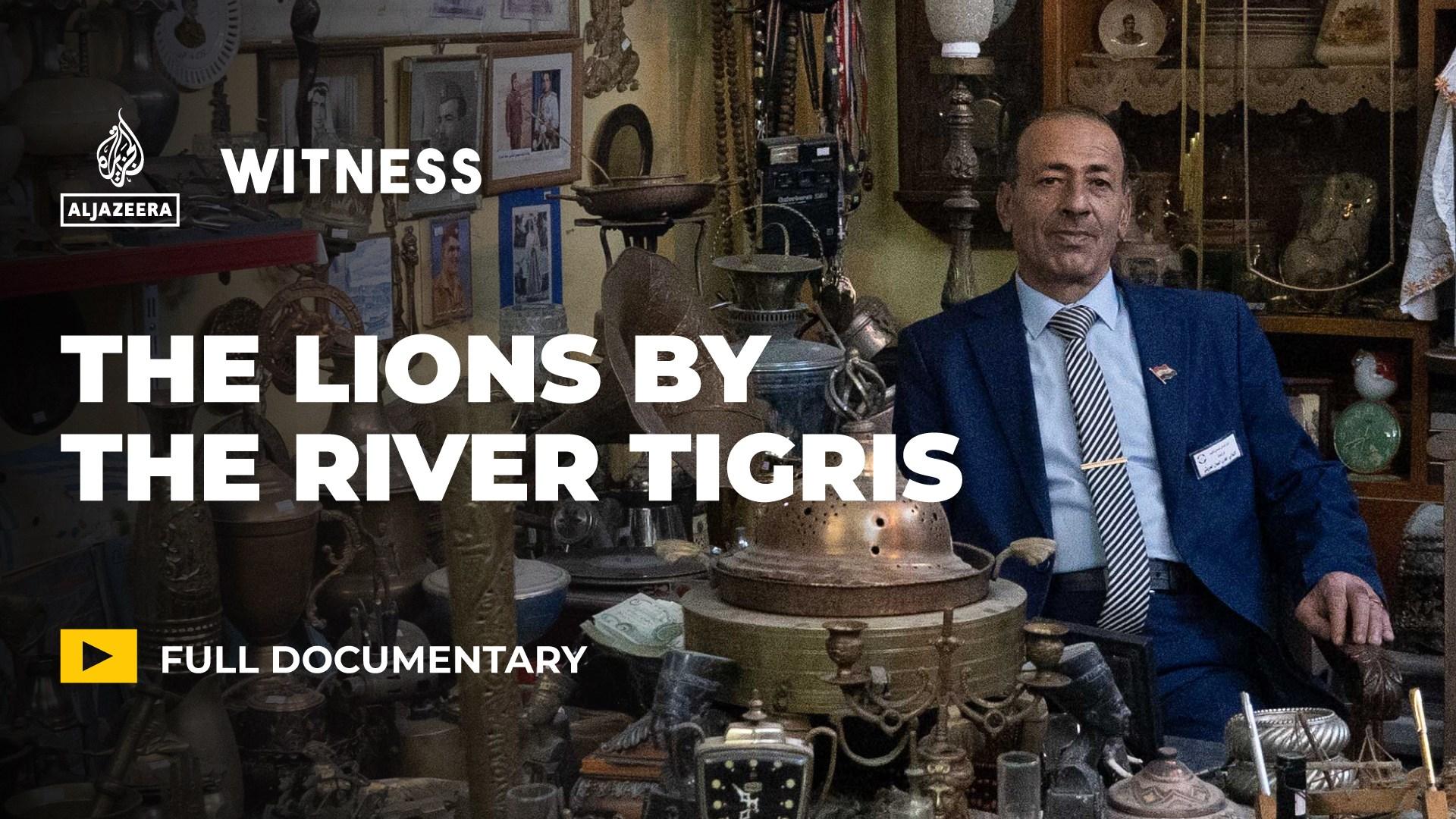
According to Al Jazeera, the new documentary "The Euphrates Lion" tells the story of three men at the heart of Mosul, a city devastated by war after its liberation from ISIS. The film focuses on these men's efforts to revive the beauty of the old city, which carries a rich history extending back eight thousand years.
In the center of the destroyed city stand two lions carved as a fragile link to the city's broken past, where Basheer, a hunter, lost his large family home during battles that lasted nearly a decade. All that remains for him is a marble gateway crowned with a lion, the very gate he guards with great enthusiasm despite the surrounding destruction.
On his part, Fikri, an enthusiastic heritage collector, is determined to save Mosul's legacy, even becoming obsessed with acquiring the lion gateway for his unofficial museum. In contrast, his friend Fadel, a musician previously banned under the regime, challenges Fikri to see the human cost behind every artifact being saved.
The documentary shows how the city's quiet reconstruction reflects a cultural renaissance that stands as evidence of an ancient city's resilience in facing its challenges. Director Zaradust Ahmad highlights this human story, emphasizing the role of individuals in preserving cultural identity amidst the ruins of destruction.
Analysis & context
Analysis & Context
Analytically, "The Euphrates Lion" represents a rare documentary model that places humans at the center of historical narrative rather than focusing solely on military figures or political statistics. The film highlights how reconstruction is not merely an engineering or physical process, but a deep psychological and social endeavor requiring individual courage to restore faith in both the past and future.
In the broader context, Iraq faces significant challenges in recovering its heritage after years of conflict, where many archaeological sites suffered severe violations at the hands of ISIS. Stories like those told in the film shed light on informal local efforts that complement governmental institutions in protecting Iraqi cultural heritage from oblivion.
The documentary also points to the importance of art and music as means of psychological recovery for communities affected by wars, where Fadel's music symbolizes creative freedom previously suppressed. This aspect adds depth to understanding how the arts contribute to rebuilding the social fabric of Iraqi cities after armed conflicts end.
Finally, the documentary offers a balanced view of the complexities involved in heritage preservation, revealing tensions between personal desires for ownership and the collective need to protect artifacts for the public. This discussion opens new avenues for understanding the role of unofficial museums and private groups in contemporary Iraqi cultural landscapes.