Sourced fact
The News
The latest report issued by the United Nations Conference on Trade and Development (UNCTAD) shows that the recovery and reconstruction needs of the Gaza Strip have reached approximately $71.5 billion and are likely to rise further, highlighting that the region's economy has undergone its most severe crisis ever. The report was presented during its 43rd session held on Thursday, drawing attention to the fact that the Israeli occupation, which lasted for 95 years, imposed structural restrictions that systematically hindered economic growth and deepened poverty.
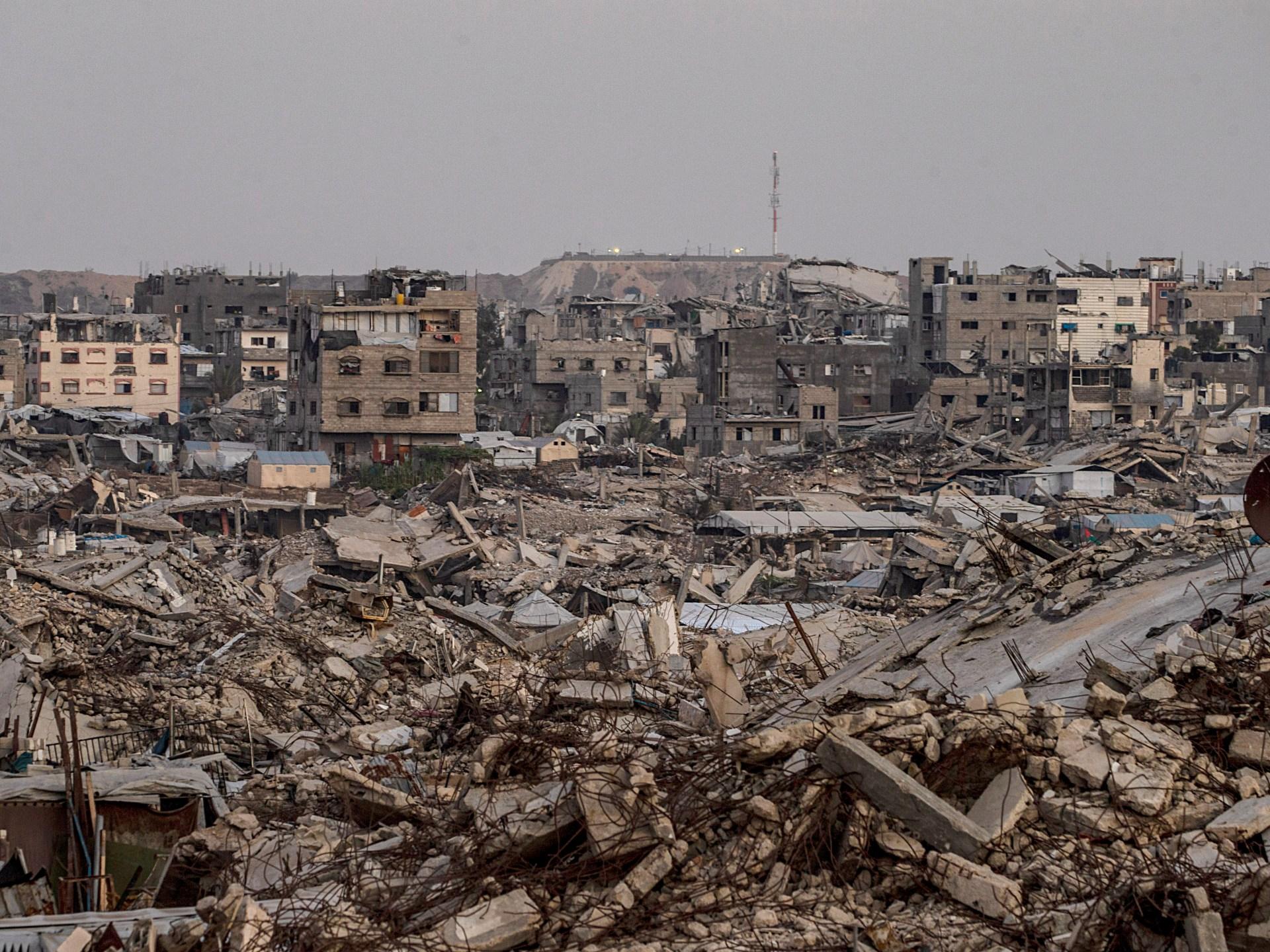
Intense military operations by Israel since the start of the war in October 2023 caused damage or destruction to 92 percent of economic infrastructure, while unemployment rates surged to over 90 percent among the working population. These events also led to the loss of hundreds of thousands of jobs and wiped out $2.8 billion from cumulative labor income, while per capita GDP in Gaza fell by 83 percent compared to 2022, reaching just $212.
The report clarified that the greatest damage falls on the residential sector, while more than half of hospitals and clinics remain unable to operate, and less than 1.5 percent of agricultural land is available and undamaged. UNCTAD called for broad international financial and technical assistance to rebuild vital sectors such as agriculture, energy, and technology, emphasizing the urgent need to transfer withheld Palestinian revenues and protect the banking system as immediate priorities.
In a related context, the document noted that Israel has prevented the transfer of customs revenues from May 2025 until mid-2026 under the Paris Protocol, which has exceeded its original duration of over 27 years. The total amount of withheld deductions and revenues between 2019 and March 2026 exceeded $3.67 billion, equivalent to 83 percent of Palestine's net revenue for 2025, thereby increasing the Palestinian Authority's budget deficit by 13 percent of GDP.
A sobering warning has emerged that systemic collapse is no longer just a theoretical possibility; banks may soon struggle to sustain essential trade flows such as fuel, medicines, and water. The report also documented the decline in Palestinian access to land due to settlement expansion, with 38 villages emptied since 2023, and displacement figures in the first quarter of 2026 exceeding those of the entire previous year combined.
Analysis & context
Analysis & Context
From an analytical perspective, the report highlights the complex nature of the crisis, which combines the direct effects of war with structural restrictions resulting from long-term occupation. The continued Israeli withholding of customs revenues from May 2025 until mid-2026 represents an existential threat to the Palestinian financial system, with withheld revenue totals between 2019 and March 2026 exceeding $3.67 billion.
In a broader context, data indicates that the Palestinian budget deficit for 2025 reached 13 percent of GDP, leading to accumulated debts worth $1.1 billion toward the health sector, threatening hospitals and medicine suppliers. Schools in the West Bank were forced to reduce school days to three per week due to resource shortages, while exposure of the public banking sector reached $5.3 billion, equivalent to 42 percent of total bank lending.
The report warns of a systematic financial collapse, where banks may soon fail to sustain essential trade flows such as fuel, water, and medicine. Reports also document declining Palestinian access to land amid settlement expansion, with 38 communities emptied since 2023, and displacement statistics in the first quarter of 2026 surpassing all figures from the previous year.
The urgent need for international financial and technical assistance to rebuild agriculture, industry, and energy underscores the importance of immediate priorities such as transferring withheld Palestinian revenues and protecting the banking system.