
Sourced fact
The News
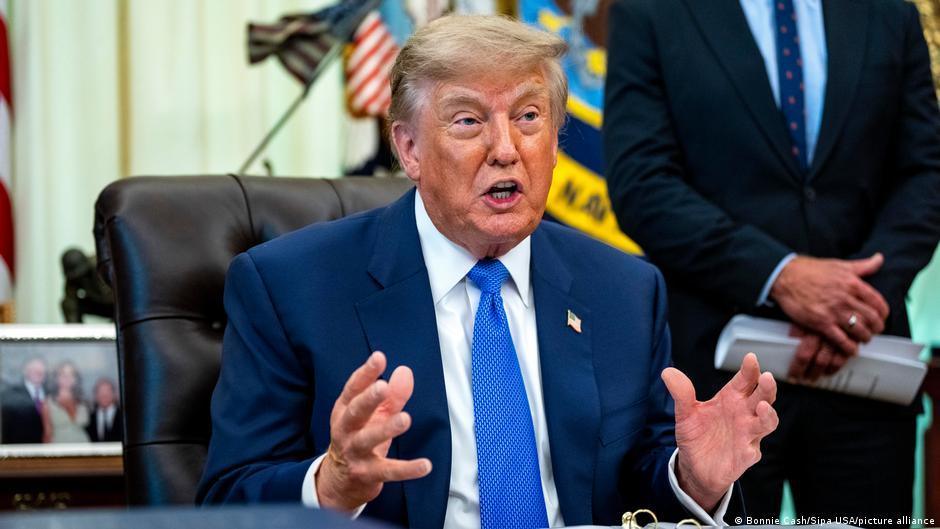
According to France 24, Israeli Prime Minister Benjamin Netanyahu rejected the 15-point plan for withdrawal from Gaza proposed by US President Donald Trump, stating that the Israeli military will not withdraw until “genuinely” destroying Hamas. In another context, the Revolutionary Guards in Iran announced that the Strait of Hormuz will not be opened until Tehran accepts its conditions.
Analysis & context
Analysis & Context
From an analytical perspective, this disagreement reflects the increasing tensions between Israel and the United States regarding the Palestinian-Israeli conflict’s trajectory. Netanyahu’s position, which emphasizes the necessity of destroying Hamas before any withdrawal, expresses a firmly established Israeli viewpoint in dealing with the armed group as a existential threat. Historically, relations between Tel Aviv and Washington have experienced significant fluctuations, often influenced by competing US interests towards various regional parties.
In the broader context, this development appears alongside statements from Iranian Revolutionary Guards concerning the Strait of Hormuz as part of an regional strategy aimed at pressuring the United States and undermining its influence. The Strait of Hormuz is critically important globally, through which a significant portion of global oil production passes, so any Iranian action threatening this waterway could have severe consequences for the global economy. These tensions generally reflect the complex political landscape in the Middle East, characterized by competing interests between major powers and regional players.