
Sourced fact
The News
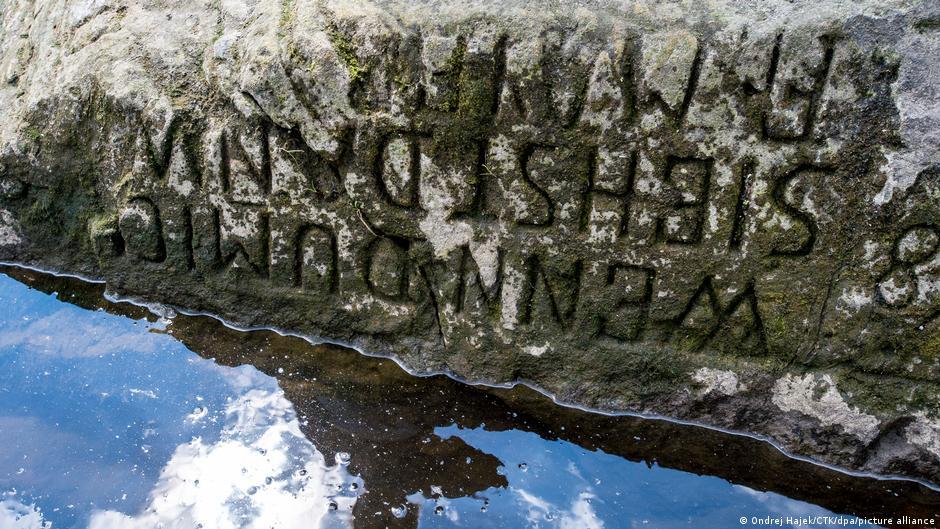
According to Deutsche Welle, the stones of hunger appear with declining water levels in Europe. Among these stones is the Decin stone in the Elbe River, which carries a cryptic message.
Analysis & context
Analysis & Context
Analytically, these stones represent silent witnesses to devastating food and economic crises that Europe experienced during the 17th and 18th centuries. Historically, these “stones of hunger” (Hunger Stones) – also known as “stones of woe” – were manufactured and left on the banks of rivers in Germany, Austria, and other European regions as a warning about the risk of food shortages caused by floods or strong currents. These stones, decorated with warning messages such as "If You See Me, Weep" (إذا رأيتني، تبكي), were used as a visual signal to reduce the population in vulnerable areas. People would place these stones on riverbanks to indicate the water level that leads to famine and crop failure.
In a broader context, the reappearance of these stones indicates the worsening problem of drought in Europe, which increases the likelihood of reviving these dark historical reminders. This phenomenon is an indicator of climate change and its increasing effects on European water resources, as well as a constant reminder of humanity's vulnerability to the forces of nature and the consequences of neglecting the management of water resources.