Sourced fact
The News
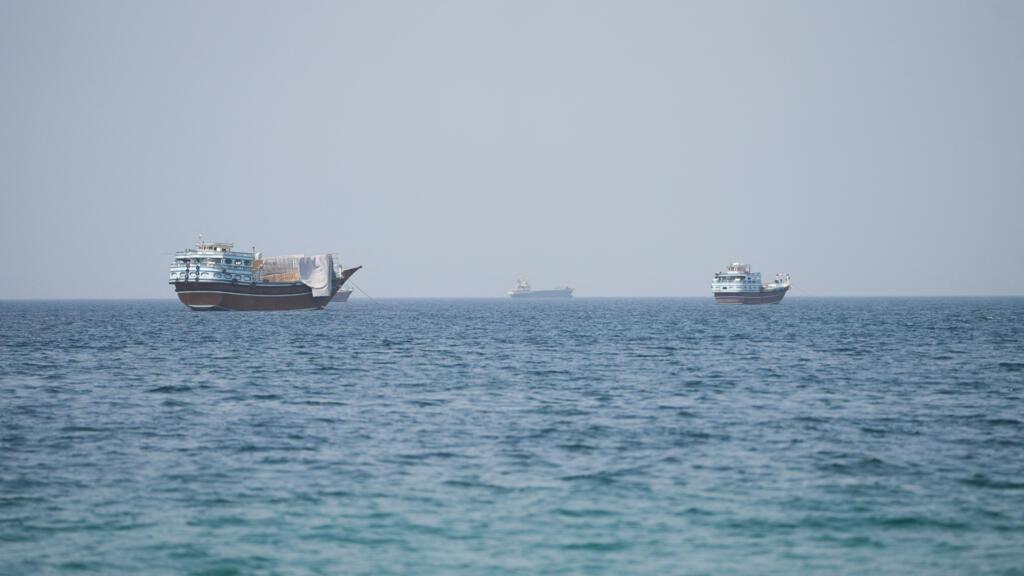
According to France 24, the Iranian Supreme Leader announced that the Strait of Hormuz will remain closed until the United States responds to Iranian demands, including ending sanctions and compensating for damage sustained as a result of the war.
Analysis & context
Analysis & Context
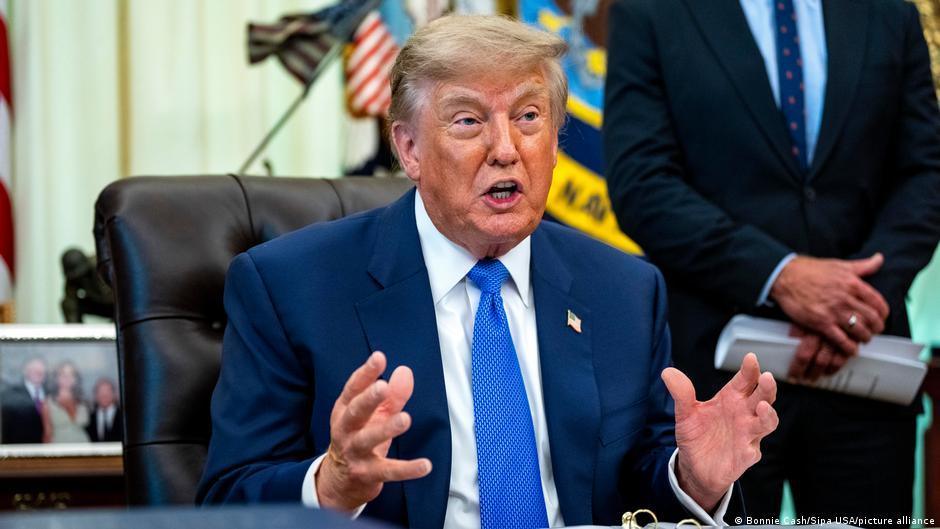
From an analytical perspective, Iran’s closure of the Strait of Hormuz represents a significant escalation in regional and international tensions. This waterway is extremely vital for the global supply of oil, with approximately two-thirds of Middle Eastern production passing through it. Historically, the Strait of Hormuz has been an area of high tension due to its strategic location between Iran and Iraq, and its impact on regional security. In a broader context, this decision comes amid continued tensions between Iran and the United States since Washington’s withdrawal from the nuclear agreement. These tensions include a series of incidents attributed to blame by both sides, as well as American sanctions imposed on Iran. The position of US President Donald Trump that he is following a “calm” approach in dealing with Iran appears inconsistent with the current escalation of the situation.
It is important to note that the Strait of Hormuz is a key bottleneck for many major powers, including Saudi Arabia, Britain, and France, which rely on this waterway to ensure the continued flow of oil to global markets. The impact of the closure on global financial markets is not surprising, as evidenced by sharp increases in oil prices resulting from this human threat to disrupt international trade routes.