Sourced fact
The News
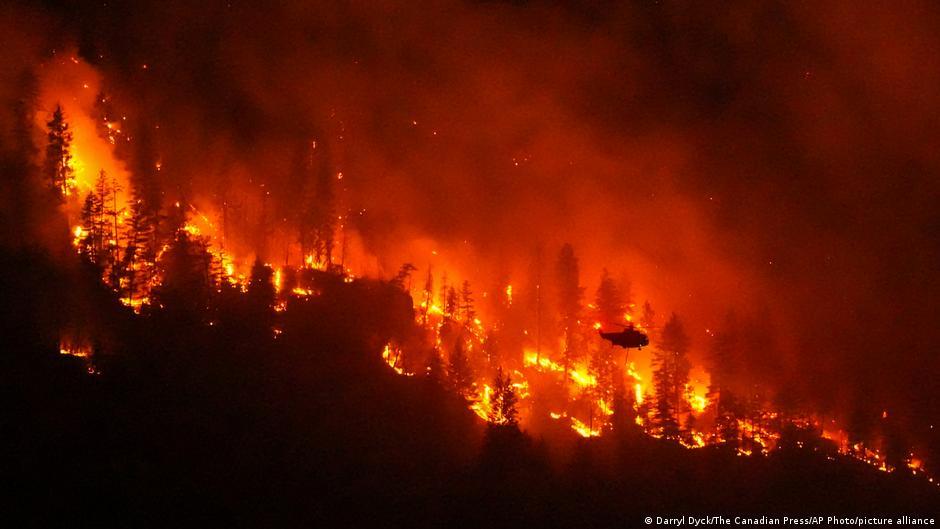
According to Deutsche Welle, wildfires in British Columbia have become more numerous and intense, and a state of emergency has been declared. DW reported that almost half of British Columbia’s 102 fires, which number nearly 51, are still out of control.
Analysis & context
Analysis & Context
From an analytical perspective, the forest fires in British Columbia represent an example of the growing climate challenges facing Western Canada more broadly. Rising temperatures and prolonged droughts—partly attributed to global climate change—are creating ideal conditions for wildfires to spread rapidly and unexpectedly. British Columbia is considered one of the most vulnerable regions to forest fires due to its environmental characteristics, which include dense coniferous forests and a hot, dry climate, this further increases the severity of these fires and necessitates a swift response from rescue agencies.
In addition to this, this event highlights the importance of disaster planning and preparedness in areas at risk. The declaration of a state of emergency and ongoing evacuation operations highlight the need for effective forest fire management programs, firefighter training, as well as public awareness campaigns on how to react during emergencies. These recurring crises form a key pillar in discussions about environmental policies and investment in sustainable solutions to mitigate the impacts of climate change.